
Abbott secures CE Mark for world's first dual glucose-ketone sensing technology for people with diabetes
Abbott (NYSE: ABT) received CE Mark for Libre Duo and Libre Duo 10 Day, the world's first dual continuous glucose‑ketone sensing systems for people with diabetes.
Rhea-AI Summary
Abbott (NYSE: ABT) received CE Mark for Libre Duo and Libre Duo 10 Day, the world's first dual continuous glucose‑ketone sensing systems for people with diabetes. The sensors measure both biomarkers every minute, support daily glucose management, and may help detect rising ketones linked to diabetic ketoacidosis (DKA).
Libre Duo offers up to 15 days of wear for adults; Libre Duo 10 Day provides up to 10 days for users aged 2 and older. Both integrate with Abbott's Libre digital ecosystem and are designed for compatibility with automated insulin delivery systems. Libre Duo is not yet cleared or available in the United States; launches in select European countries are planned later in 2026.
Positive
- Secures CE Mark for first dual continuous glucose‑ketone sensor for diabetes
- Libre Duo offers up to 15‑day wear for adults 18 and older
- Libre Duo 10 Day covers users from age 2 with 10‑day wear
- Sensors measure glucose and ketones every minute for real‑time data
- Integration with existing Libre digital ecosystem for data sharing
- Designed for compatibility with leading automated insulin delivery systems
Negative
- Libre Duo systems are not yet cleared or available for sale in the U.S.
Details
News Market Reaction – ABT
In the May 27 session, ABT declined 1.14%, reflecting a mild negative market reaction.
Data tracked by StockTitan Argus on the day of publication.
Key Figures
- Libre Duo wear duration
- up to 15 days
- Libre Duo sensor wear time for adults 18+
- Libre Duo 10 Day wear
- up to 10 days
- Libre Duo 10 Day sensor wear time for ages 2+
- DKA admissions increase
- approximately 55%
- Increase in hospital admissions for DKA over past decade
- UK diabetes cohort size
- nearly 660,000 people
- UK analysis of DKA incidence in Type 1 and Type 2 diabetes
- Study period length
- 23-year study period
- Duration of UK DKA incidence analysis
- Hospitalizations vs hypoglycemia
- approximately 4 times more
- DKA-related hospitalizations vs hypoglycemia per CDC
- Blood ketone meter access
- 18%
- Surveyed people with Type 1 diabetes having blood ketone meter at home
- Age eligibility Libre Duo
- ages 2 and older
- Intended user population for Libre Duo 10 Day
Historical Context
-
ASCO 2026 abstracts highlighting multi-cancer and MRD diagnostic advances.
-
FDA clearance and CE Mark for Ultreon 3.0 AI coronary imaging.
-
AACR data on Cancerguard multi-cancer early detection performance.
-
Q1 2026 earnings, updated guidance, and Exact Sciences acquisition close.
-
U.S. survey on chronic disease perceptions and partnership with Sesame Workshop.
24h Move is the share-price change in the day after each event; other market factors may also have contributed.
Key Terms
diabetic ketoacidosis medical
continuous glucose monitors medical
automated insulin delivery (aid) systems medical
ce mark regulatory
type 1 diabetes medical
ketone monitoring medical
sodium-glucose cotransporter 2 inhibitors medical
sglt2s medical
AI-generated analysis. How Rhea-AI works. Not financial advice.




- First-of-its-kind biowearables combine continuous glucose and ketone monitoring in a single sensor to support both daily diabetes management and help detect rising ketone levels that can lead to diabetic ketoacidosis, a serious health condition for people with diabetes
- Integrates with the Libre digital health ecosystem, allowing people to share glucose and ketone data with caregivers and healthcare providers
- Designed for compatibility with leading automated insulin delivery (AID) systems
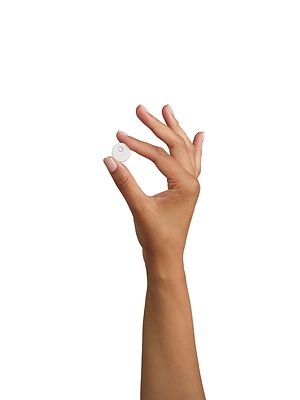
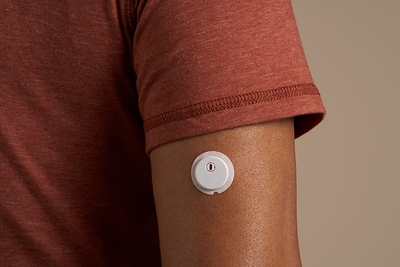
ABBOTT PARK, Ill., May 27, 2026 /PRNewswire/ -- Abbott (NYSE: ABT), a global healthcare leader, announced today it has secured CE Mark for the world's first dual glucose‑ketone sensing technology for people with diabetes. Branded as Libre Duo and Libre Duo 10 Day, the systems are designed to continuously measure glucose and ketone levels every minute, providing real-time visibility into both glucose levels needed for daily diabetes management as well as rising ketones that can lead to a diabetic ketoacidosis (DKA) emergency. This marks the first time people with diabetes will be able to monitor ketones without traditional blood or urine tests. Abbott plans to begin launching Libre Duo systems in select European countries later this year.
Why monitoring ketones matters for people with diabetes
In people with diabetes, DKA develops when the body does not have enough insulin and begins breaking down fat for energy, causing ketones to rise to dangerous levels in the blood.1 According to the American Diabetes Association, elevated ketones can escalate to DKA within hours and, if left untreated, can lead to coma or death.1 Yet, despite clinical guidance recommending ketone testing during illness or periods of elevated glucose, early detection remains a persistent challenge.
How Libre Duo systems work
Libre Duo systems continuously monitor both glucose and ketone levels, reducing reliance on blood or urine tests that capture only a single moment in time. The sensors are designed to help people with diabetes monitor glucose levels – the standard of care for daily diabetes management – while also alerting people to rising ketones so they can act sooner and potentially avoid a serious DKA emergency.
This CE Mark covers two Libre Duo systems. Libre Duo delivers up to 15 days of wear and will be offered to adults ages 18 and older. Libre Duo 10 Day offers up to 10 days of wear and is intended for people ages 2 and older. Clinical data indicate that a 10-day sensor can help active youth complete the full wear period. Both sensors deliver consistent, strong accuracy.
Libre Duo systems will integrate with Abbott's Libre digital health ecosystem, enabling users to share glucose and ketone data with caregivers and healthcare providers. Abbott is also working with leading pump companies to allow automated insulin delivery (AID) systems to connect with the sensors.
"Abbott has a long-established pattern of setting the pace in health tech innovation," said Chris Scoggins, executive vice president of Abbott's diabetes care business. "People living with diabetes routinely tell us that the risk of serious complications is a constant part of everyday life. Our Libre Duo systems offer people with diabetes, families and healthcare providers clearer, earlier information about what's happening inside their body, allowing them to act sooner when safety matters most."
Libre Duo systems align with recommendations outlined in a recent international expert consensus paper from Breakthrough T1D, a global organization focused on Type 1 diabetes research and advocacy, which describes the safe and effective use of continuous ketone monitoring as part of diabetes management. 2
A growing gap in diabetes care
DKA can develop quickly and is often difficult to detect early. Because ketones are not routinely monitored, warning signs are frequently missed, contributing to delayed intervention and rising rates of DKA. Recent data illustrate the scale of these challenges:
- Glucose and ketones don't always rise together: Ketones can rise independently of glucose levels and, in some cases, even when glucose appears in range – which can delay detection of diabetic ketoacidosis (DKA) risk.2
- DKA rates are rising: According to research published in the peer-reviewed journal, Diabetes Care, hospital admissions for DKA have increased approximately
55% over the past decade, and theU.S. Centers for Disease Control and Prevention (CDC) lists DKA as a leading cause of death among children and adults under age 58 with Type 1 diabetes.3 A recent analysis of nearly 660,000 people in theUnited Kingdom , conducted by leading diabetes researchers and presented at the 2026 Conference for Advanced Technologies & Treatments for Diabetes (ATTD), found that DKA rates are increasing among people with both Type 1 and Type 2 diabetes, with a high risk of recurrence. Over the 23-year study period, DKA incidence in adults with Type 1 diabetes more than tripled, while incidence among people with Type 2 diabetes increased sixfold.4 - DKA leads to more hospitalizations than hypoglycemia: According to the CDC, DKA accounts for approximately four times more hospitalizations than hypoglycemia, making it the dominant driver of acute diabetes-related healthcare utilization in the
U.S. [5] - Symptoms are often missed: Early signs of rising ketones, such as nausea, fatigue or flu‑like illness, are frequently mistaken for common infections, delaying recognition and treatment.2,6,7
- Ketone monitoring remains limited: In a survey of nearly 3,000 people with Type 1 diabetes published in the peer-reviewed journal, Diabetes Care, only
18% reported having a blood ketone meter at home, while nearly one‑third reported having no ketone testing supplies – blood meters or urine strips – at all.8
Libre Duo systems are not yet cleared or available for sale in
Frequently Asked Questions
What is Libre Duo?
Libre Duo systems are two-in-one biowearables that provide real-time visibility into both glucose levels and ketones. Early detection of rising ketones may help people avoid a serious diabetic ketoacidosis (DKA) emergency.1
Who should use Libre Duo?
Libre Duo systems are designed for people with diabetes with higher risk for DKA, including people with Type 1 or Type 2 diabetes who use insulin or other glucose-lowering medications, such as sodium-glucose cotransporter 2 inhibitors, also known as SGLT2s.
Do people with diabetes need a continuous ketone monitor?
Continuous glucose monitors (CGMs) track glucose, but they do not measure ketones. According to the American Diabetes Association, elevated ketones can progress to DKA within hours, making early detection critical. Because ketone levels can rise quickly — sometimes independently of glucose — and symptoms are often mistaken for common illnesses, having visibility into ketone trends may help people better understand when they could be at risk and take action sooner.1,2,4,6
About Libre:
Abbott continues to pioneer groundbreaking technology to support people living with diabetes. The company revolutionized diabetes care more than 10 years ago with its world-leading Libre continuous glucose monitoring portfolio, which today is used by more than 8 million people across over 60 countries.9 People use Libre technology to see their glucose numbers in real-time, providing insights into how food, activity, or insulin impacts their glucose to help them make progress on their health goals.
About Abbott:
Abbott is a global healthcare leader that helps people live more fully at all stages of life. Our portfolio of life-changing technologies spans the spectrum of healthcare, with leading businesses and products in diagnostics, medical devices, nutritionals and branded generic medicines. Our 122,000 colleagues serve people in more than 160 countries.
Connect with us at www.abbott.com and on LinkedIn, Facebook, Instagram, X, and YouTube.
1 | American Diabetes Association. "Planning for Sick Days." Accessed February 6, 2026. https://diabetes.org/getting-sick-with-diabetes/sick-days. | |||||
2 | Dhatariya, et al. Lancet Diabetes & Endocrinology (2025): https://pubmed.ncbi.nlm.nih.gov/41381175/ | |||||
3 | Umpierrez, et al. Diabetes Care (2024): https://doi.org/10.2337/dci24-0032. | |||||
4 | Seidu S. et al. 'Rising burden of diabetic ketoacidosis in the | |||||
5 | Centers for Disease Control. "National Diabetes Statistics Report." Accessed May 4, 2026. National Diabetes Statistics Report - United States Diabetes Surveillance System | |||||
6 | Virdi, N. Diabetes Technology & Therapeutics (2023). https://doi.org/10.1089/dia.2023.0149. | |||||
7 | Nguyen, K. T. Journal of Diabetes Science and Technology (2022). https://doi.org/10.1177/19322968211042656. | |||||
8 | Albanese-O'Neill et al. Diabetes Care (2017): https://doi.org/10.2337/dc16-2620. | |||||
9 | Data on File, Abbott Diabetes Care. Data based on the number of patients assigned to each manufacturer. | |||||

 View original content to download multimedia:https://www.prnewswire.com/news-releases/abbott-secures-ce-mark-for-worlds-first-dual-glucose-ketone-sensing-technology-for-people-with-diabetes-302782795.html
SOURCE Abbott
FAQ
AI-generated questions and answers. How Rhea-AI works. Not financial advice.