
deCODE genetics: Complete recombination map of the human-genome, a major step in genetics
deCODE genetics, an Amgen subsidiary, has achieved a significant breakthrough by creating the first complete recombination map of the human genome, published in Nature.
Sentiment and the balance of points
Rhea-AI Sentiment reads the wording of the document, how positive or negative its language is on a 1 to 5 scale. The balance of points shown with the takes weighs what the document actually discloses, so the two can disagree, for example when a trial that missed its main goal is described in upbeat language.
Rhea-AI Summary
deCODE genetics, an Amgen subsidiary, has achieved a significant breakthrough by creating the first complete recombination map of the human genome, published in Nature. The research provides important insights into how DNA is mixed during reproduction, marking a major advancement in understanding genetic diversity and its impact on health and fertility.
The groundbreaking map includes previously difficult-to-detect shorter-scale shuffling of grandparental DNA and identifies areas devoid of major reshuffling. This research helps explain why some pregnancies fail and how the genome maintains a balance between diversity and stability. The study reveals important gender differences in recombination patterns, noting that women experience increased frequency of non-crossover recombinations with age, potentially explaining higher pregnancy risks in older mothers.
This advancement is particularly relevant for fertility research, as recombination errors can lead to serious reproductive issues affecting approximately one in ten couples worldwide. The study also demonstrates that mutations are elevated near DNA mixing regions, providing new understanding of human evolution and individual health outcomes.
Positive
- Publication in prestigious Nature journal enhances scientific credibility
- First-of-its-kind complete human genome recombination map strengthens AMGN's leadership in genetic research
- Research findings could lead to new fertility treatments and diagnostic tools
- Advances understanding of pregnancy complications and genetic disorders, opening potential new market opportunities
Negative
- None.
Details
News Market Reaction – AMGN
The recorded move for AMGN in the trading session of this news was -0.50%.
Data tracked by StockTitan Argus. Session date unavailable.
AI-generated analysis. How Rhea-AI works. Not financial advice.




Scientists at deCODE genetics/Amgen have constructed a complete map of how human DNA is mixed as it is passed down during reproduction. The map marks a major step in the understanding of genetic diversity and its impact on health and fertility. It continues 25 years of research at deCODE genetics into how new diversity is generated in the human genome, and its relationship to health and disease.
The new map, appearing today in the online edition of Nature, is the first to incorporate shorter-scale shuffling, (non crossover) of grandparental DNA, which is difficult to detect due to the high DNA sequence similarity. The map also identifies areas of DNA that are devoid of major reshuffling, likely to protect critical genetic functions or prevent chromosomal problems. This insight offers a clearer picture of why some pregnancies fail and how the genome balances diversity with stability.
While this shuffling, known as recombination, is essential for genetic diversity, errors in the process can lead to serious reproductive issues. These failures can result in genetic errors that prevent pregnancies from continuing, helping to explain why infertility affects around one in ten couples worldwide. Understanding this process offers new hope for improving fertility treatments and diagnosing pregnancy complications.
The research also reveals key differences between men and women in how and where, the genome recombination occurs. Women have fewer non-crossover recombinatios, but their frequency increases with age, which may help explain why older maternal age is associated with higher risks of pregnancy complications and chromosomal disorders of the child. Men, however, do not show this age-related change, although recombination in both sexes can contribute to mutations passed to offspring.
Understanding the recombination process is also important in understanding how humans evolved as a species and what shapes individual differences, including health outcomes. All human genetic diversity can be traced to recombination and de novo mutations, DNA sequence present in the child but not in the parents. The map shows that mutations are elevated near regions of DNA mixing and consequently that the two processes are highly correlated.
Based in
Video for public use:
https://vimeo.com/1037862873/90309f69c3
Video - https://mma.prnewswire.com/media/2600841/Kari_and_Bjarni.mp4
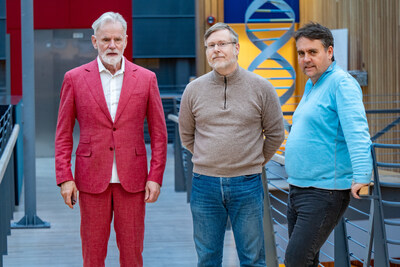
Photo - https://mma.prnewswire.com/media/2600840/Kari_Gunnar_Bjarni.jpg
Logo - https://mma.prnewswire.com/media/1535464/deCODE_genetics_Amgen_Logo.jpg

 View original content to download multimedia:https://www.prnewswire.com/news-releases/decode-genetics-complete-recombination-map-of-the-human-genome-a-major-step-in-genetics-302354552.html
SOURCE deCODE genetics
FAQ
AI-generated questions and answers. How Rhea-AI works. Not financial advice.