
BKV Corporation Successfully Closes Acquisition of Control Position in BKV-BPP Power Joint Venture
BKV (NYSE: BKV) closed its acquisition of half of Banpu Power US’s interest in BKV-BPP Power, increasing BKV’s ownership in the Power JV to 75% from 50% for approximately $115.1 million cash plus 5,315,390 newly issued BKV shares.
Sentiment and the balance of points
Rhea-AI Sentiment reads the wording of the document, how positive or negative its language is on a 1 to 5 scale. The balance of points shown with the takes weighs what the document actually discloses, so the two can disagree, for example when a trial that missed its main goal is described in upbeat language.




Strategic acquisition increases BKV Corp. Power Joint Venture ownership stake to
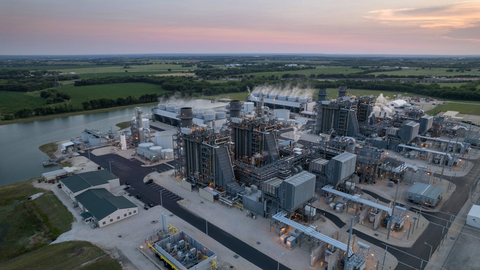
The transaction, originally announced on October 29, 2025, marks a significant milestone in advancing BKV’s closed loop energy strategy by providing the Company with majority ownership and control of the Power JV. The Power JV encompasses the Temple I and II plants strategically positioning the company to take advantage of significant power demand growth in the ERCOT market, driven by advancements in artificial intelligence and data center technology and the related demand for reliable power.
“The successful closing of this transaction represents a critical step forward for BKV’s power business,” said Chris Kalnin, Chief Executive Officer of BKV. “BKV’s majority stake in the Power JV enhances our strategic flexibility and strengthens our ability to capture and fully capitalize on the exceptional growth opportunities we see in the
The increased ownership position allows BKV to consolidate the Power JV’s financial results with BKV’s consolidated financial results, providing enhanced visibility into the business’s cash flow generation and enabling investors to better recognize the value of the power business within BKV’s portfolio. The updated governance structure strengthens BKV’s ability to align power operations with its long-term growth strategy while supporting continued reliability of the
About BKV Corporation
BKV Corporation (NYSE: BKV) is a forward-thinking, growth-driven energy company focused on the sustainable development and delivery of low-carbon energy solutions and baseload power. As the largest natural gas producer by gross operated volume in the Barnett Shale, BKV is strategically expanding an end-to-end value chain that leverages its assets in upstream production, midstream infrastructure, natural gas-fired power generation and carbon capture, utilization and storage (CCUS). Through this innovative, closed-loop approach, BKV solves customers’ toughest energy challenges, meeting growing power demand and enabling sustainable growth for the future. Headquartered in
About the BKV-BPP Power Joint Venture
BKV-BPP Power, a joint venture between BKV and BPPUS, owns the Temple I and Temple II plants, modern combined cycle gas and steam turbine power plants located in the Electric Reliability Council of
Forward-Looking Statements
The information in this press release includes “forward-looking statements” within the meaning of the federal securities laws. Forward-looking statements, which are not historical facts, include statements regarding BKV’s strategy, future operations, prospects, plans and objectives of management, and often contain words such as “expect,” “project,” “estimate,” “believe,” “anticipate,” “intend,” “budget,” “plan,” “seek,” “envision,” “forecast,” “target,” “predict,” “may,” “should,” “would,” “could,” “will,” the negative of these terms and similar expressions are intended to identify forward-looking statements, although not all forward-looking statements contain such identifying words. Forward-looking statements contained in this press release include, but are not limited to, statements regarding the expected benefits of the potential transaction to BKV and the timing thereof. Forward-looking statements are based on management’s current expectations and assumptions, and are subject to inherent uncertainties, risks and changes in circumstances that are difficult to predict, including BKV’s ability to achieve the benefits of the proposed transaction. Other factors that could cause actual results to differ from those in forward-looking statements include the demand for power and the commercial success of BKV-BPP Power. As a result, actual results could differ materially from those indicated in these forward-looking statements. When considering these forward-looking statements, you should keep in mind the risk factors and other cautionary statements discussed in BKV’s filings with the SEC, including the risks and uncertainties addressed under the heading “Risk Factors” in BKV’s most recent Annual Report on Form 10-K filed and any subsequent Quarterly Reports on Form 10-Q. BKV undertakes no obligation and does not intend to update these forward-looking statements to reflect events or circumstances occurring after this press release. You are cautioned not to place undue reliance on these forward-looking statements, which speak only as of the date of this press release.
View source version on businesswire.com: https://www.businesswire.com/news/home/20260130424634/en/
For BKV:
Media Contact
Becky Escott
BKV Corporation
Vice President, Corporate Communications
media@bkvcorp.com
Investor Contacts
Michael Hall
BKV Corporation
Vice President, Investor Relations
investorrelations@bkvcorp.com
Caldwell Bailey
ICR, Inc.
BKV@icrinc.com
Source: BKV Corporation