
PepsiCo Reports on Latest ESG Performance Towards pep+ Goals
PepsiCo (NASDAQ: PEP) released its 2025 ESG Summary and related disclosures, reporting progress toward its 2030 pep+ (PepsiCo Positive) goals across climate, agriculture, nutrition, packaging, water and people.
Rhea-AI Summary
PepsiCo (NASDAQ: PEP) released its 2025 ESG Summary and related disclosures, reporting progress toward its 2030 pep+ (PepsiCo Positive) goals across climate, agriculture, nutrition, packaging, water and people.
Versus its 2022 baseline, PepsiCo reported greenhouse gas reductions including 24% for Scope 1 and 2, 12% for Scope 3 Energy and Industry, and 18% for Scope 3 Forest, Land and Agriculture, with 96% of global electricity for company-owned operations sourced from renewable sources. The company expanded regenerative, restorative and protective agricultural practices to 4.7 million acres and supported about 224,000 people in agricultural supply chains and communities since 2021.
In 2025, 68% of beverage volume met the goal of no more than 100 calories from added sugars per 12 oz serving, while 79% of convenient foods volume met sodium and saturated fat targets. PepsiCo reported 2.0 million metric tons of plastic use in key packaging markets, a 6% reduction in virgin primary plastic tonnage from 2024 and 18% recycled content, and achieved 100% water replenishment at company-owned facilities in high water-risk watersheds, helping replenish approximately 35 billion liters of water.
Positive
- Scope 1 and 2 emissions reduced 24% versus 2022 baseline including system contributions
- Scope 3 Energy and Industry emissions reduced 12% versus 2022 baseline including system contributions
- Scope 3 FLAG emissions reduced 18% versus 2022 baseline including system contributions
- 96% of global electricity for company-owned operations from renewable sources in 2025
- 4.7 million acres under regenerative, restorative and protective agricultural practices since 2021
- 224,000 people supported across agricultural supply chains and communities since 2021
- 68% of beverage volume at or below 100 calories from added sugars per 12 oz in 2025, exceeding the 67% goal
- 79% of convenient foods volume met sodium targets, above the 75% 2025 goal
- 79% of convenient foods volume met saturated fat targets, surpassing the 75% 2025 goal
- 79 billion portions of diverse ingredients delivered in 2025 toward a 145 billion annual 2030 goal
- 6% reduction in virgin primary plastic tonnage in key markets between 2024 and 2025
- 18% recycled plastic content in primary packaging in key markets in 2025
- 100% water replenishment at company-owned facilities in high water-risk watersheds
- 35 billion liters of water replenished to local watersheds through more than 60 projects
Negative
- Plastic use in key packaging markets remained at 2.0 million metric tons in 2025 despite reductions and recycled content gains
- Deforestation and conversion-free sourcing reporting was deferred, with details to be published later as methodologies and data are finalized
Details
News Market Reaction – PEP
On Aug 13, the day this news came out, PEP closed 1.38% above the previous close.
Data tracked by StockTitan Argus for the Aug 13 session.
AI-generated analysis. How Rhea-AI works. Not financial advice.




Highlights efforts on agriculture, emissions, packaging, and product shifts toward lower sugar, sodium and saturated fat
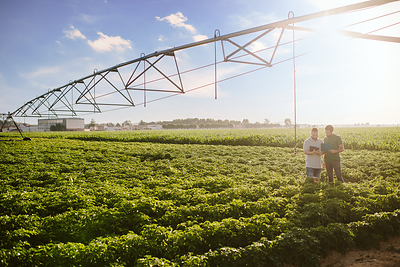
"Our sustainability agenda and portfolio transformation initiatives are fundamentally about strengthening PepsiCo for the long term," said Ramon Laguarta, PepsiCo Chairman and Chief Executive Officer. "Through pep+, we are working to build a more resilient business — one that aims to adapt to changing consumer preferences, supports our growth strategy, and creates value for shareholders while striving to help support the resources and communities that are critical to our future."
That focus is reflected in continued progress across PepsiCo's business, from operations and agriculture to innovation and portfolio transformation.
"We're excited by the momentum we're building as pep+ continues to transform our business end to end," said Jim Andrew, PepsiCo Chief Sustainability Officer. "We're making significant progress — from expanding regenerative, restorative and protective practices to 4.7 million acres,1 reducing emissions of our operations, to evolving our product portfolio to offer more choices — and we're doing it in ways that we believe will strengthen our business for the long term. While there's more work ahead, this progress reflects how we're continuing to take steps to embed sustainability into how we operate, innovate, and grow."
Climate
PepsiCo reported performance as of 2025 versus its 2022 baseline as it works to reduce greenhouse gas emissions2. Including system contributions, PepsiCo reported reductions of:
24% for Scope 1 and 2 goal312% for Scope 3 Energy and Industry (E&I) goal418% for Scope 3 Forest, Land and Agriculture (FLAG) goal5
PepsiCo sourced
PepsiCo has collaborated with fertilizer company Yara International to work with approximately 1,000 farms, covering a total of around 128,000 hectares across the European Union and the
In
Nutrition
PepsiCo reported continued progress in evolving its portfolio in 2025:
- Exceeding its 2025 goal for more than
67% of the company's beverage portfolio volume to have no more than 100 Calories from added sugars per 12 oz. serving. In 2025,68% of its beverage portfolio met its goal.6 - Likewise,
79% of convenient foods volume met PepsiCo's ambitious sodium targets to not exceed 1.3, milligrams of sodium per Calorie, exceeding the 2025 goal that75% of its convenient foods portfolio volume would meet this criteria. The company also reported that49% of its global convenient foods portfolio volume met our 2030 ambition that will meet or be below category sodium targets.6 79% of convenient foods volume met our saturated fat targets, which means the company has exceeded its goal for at least75% of convenient foods portfolio volume to not exceed 1.1 grams of saturated fat per 100 Calories by 2025.6
In 2025, PepsiCo also delivered 79 billion portions of diverse ingredients, including whole grains, plant-based proteins, fruits and vegetables, as it progresses toward its goal to deliver 145 billion portions of diverse ingredients annually in its global convenient foods portfolio by 2030.6
Agriculture
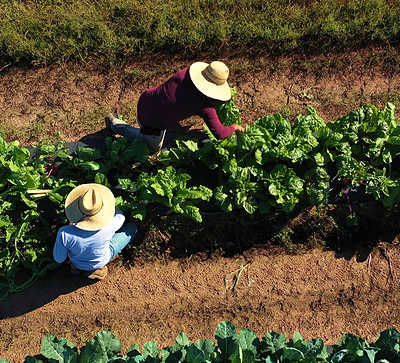
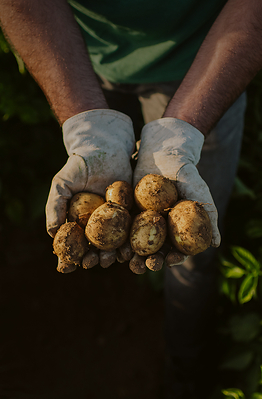
PepsiCo recently reported on its goals tied to Positive Agriculture on July 1, 2026, noting that the company has expanded regenerative, restorative, and protective practices to 4.7 million acres, and supported approximately 224,000 people across its agricultural supply chains and communities with dedicated programming designed to improve economic prosperity and farmer and farm worker security across the globe since 2021.1 The full press release can be found here.
The company added that reporting on its deforestation and conversion-free sourcing goals will be published at a later date, as methodologies and data continue to be finalized.
Packaging
PepsiCo reported 2.0 million metric tons of plastic use in key packaging markets, including primary packaging, in 2025. For primary plastic packaging in key packaging markets, the company achieved a
Water
The company also recently highlighted its efforts on its water stewardship goals, achieving
People
As a global convenient foods and drinks leader, PepsiCo strives to use its reach to champion responsible business practices. This means aspiring to positively influence its business partners and communities and championing its employees' well-being. Details on PepsiCo's efforts on job growth, career, volunteering, engagement, as well as other topics and metrics can be found in its 2025 ESG reporting on its website.
Additional ESG Information
PepsiCo regularly reviews its sustainability goals, investments, and initiatives and considers changes that are warranted from time to time, including in the context of new developments, such as business growth and necessary investments relating to our initiatives, as well as external developments. PepsiCo will continue to report toward its pep+ ambitions. More details can be found on our ESG Topics A-Z pages, as well as our 2025 ESG Performance Metrics and Calculation Methodology file.
Cautionary Statement
This disclosure contains statements reflecting our views about our future performance that constitute "forward-looking statements" within the meaning of the Private Securities Litigation Reform Act of 1995. Forward-looking statements are generally identified through the inclusion of words such as "aim," "anticipate," "believe," "drive," "estimate," "expect," "goal," "intend," "may," "plan," "project," "strategy," "strive," "target" and "will" or similar statements or variations of such terms and other similar expressions. Forward-looking statements inherently involve risks and uncertainties. For information on certain factors that could cause actual events or results to differ materially from our expectations, please see PepsiCo's filings with the Securities and Exchange Commission, including its most recent annual report on Form 10-K and subsequent reports on Forms 10-Q and 8-K. Investors are cautioned not to place undue reliance on any such forward-looking statements, which speak only as of the date they are made. PepsiCo undertakes no obligation to update any forward-looking statements, whether as a result of new information, future events or otherwise.
About PepsiCo
PepsiCo products are enjoyed by consumers more than one billion times a day in more than 200 countries and territories around the world. PepsiCo generated nearly
Guiding PepsiCo is our vision to Be the Global Leader in Beverages and Convenient Foods by Winning with pep+ (PepsiCo Positive). pep+ is our strategic end-to-end transformation that puts sustainability and human capital at the center of how we aim to create value and growth by operating within planetary boundaries and inspiring positive change for planet and people. For more information, visit www.pepsico.com, and follow on X (Twitter), Instagram, Facebook, and LinkedIn @PepsiCo.
Media Contact:
Rachel Kent
Rachel.Kent@pepsico.com
1 | See Calculation Methodology for detail on how we measure progress on this metric. Metric published July 1, 2026 |
2 | PepsiCo keeps track of the evolving external guidance from the Greenhouse Gas Protocol (GHGP) and the Science Based Targets Initiative (SBTi) and calculates our footprint and target progress in line with these standards. Our reported target progress is calculated in accordance with SBTi's Corporate Net Zero Standard (CNZS) V2.0 innovations that apply to our targets set under CNZS V1.0. We report emission reductions against baseline calculated from our physical footprint and separately report target progress that includes system contributions from activity pool and sector level actions. Further details can be found in our Climate Accounting Statement. This reporting approach may change in the future as further guidance is made available from the GHGP and SBTi. |
3 | Our 2025 results for target progress with system contribution include |
4 | Our 2025 results for target progress with system contribution include |
5 | Our 2025 results for target progress with system contribution include |
6 | See Calculation Methodology for detail on how we measure progress on this metric. Metric published August 13, 2026 |
7 | See Calculation Methodology for detail on how we measure progress on this metric. Metric published March 19, 2026 |

 View original content to download multimedia:https://www.prnewswire.com/news-releases/pepsico-reports-on-latest-esg-performance-towards-pep-goals-302850123.html
SOURCE PepsiCo, Inc.
FAQ
AI-generated questions and answers. How Rhea-AI works. Not financial advice.