
The Very First A.I. Solar FTZ + QOZ + QROZ Community in the U.S.
Token Communities (OTCID:TKCM) announced APOZ, an ambitious plan to build the U.S.'s first A.I.‑driven, solar‑powered Triple‑Zone community combining QOZ + FTZ + QROZ.
Sentiment and the balance of points
Rhea-AI Sentiment reads the wording of the document, how positive or negative its language is on a 1 to 5 scale. The balance of points shown with the takes weighs what the document actually discloses, so the two can disagree, for example when a trial that missed its main goal is described in upbeat language.
Rhea-AI Summary
Token Communities (OTCID:TKCM) announced APOZ, an ambitious plan to build the U.S.'s first A.I.‑driven, solar‑powered Triple‑Zone community combining QOZ + FTZ + QROZ. APOZ targets zero‑carbon energy independence, AI‑optimized micro‑grids, modular housing and logistics, and federal tax incentives to lower operating costs and boost investor returns.
Phased buildout spans 0–60+ months with Phase 1 capital needs of $25M–$45M and stabilized solar revenue projected at $1.2M–$3.5M annually.
Positive
- Projected utility savings of 40–70% for residents
- Target equity IRR of 20–30%
- Stabilized solar revenue estimated at $1.2M–$3.5M annually
- Stabilized NOI margin target of 40–55%
- Unique QOZ+FTZ+QROZ federal overlay creating tax and regulatory advantages
Negative
- Phase 1 equity raise of $25M–$45M increases near‑term funding risk
- Large Phase 2–3 capital need of $100M–$180M may cause dilution or leverage
- Timelines depend on Army Corps wetland approval and MUD formation
Details
News Market Reaction – TKCM
On Feb 24, the day this news came out, TKCM closed 150.00% above the previous close.
Data tracked by StockTitan Argus for the Feb 24 session.
AI-generated analysis. How Rhea-AI works. Not financial advice.




A Revolutionary Smart A.I. Community is becoming a Reality
APOZ is aiming to be the very first A.I. Community in the U.S.
BRADENTON, FLORIDA / ACCESS Newswire / February 24, 2026 / ASC Global Inc. is a wholly-owned subsidiary of Token Communities (OTCID:TKCM), its APOZ Project (Asia Pacific Opportunity Zone) is on the right track to become the first revolutionary A.I. community in the U.S..
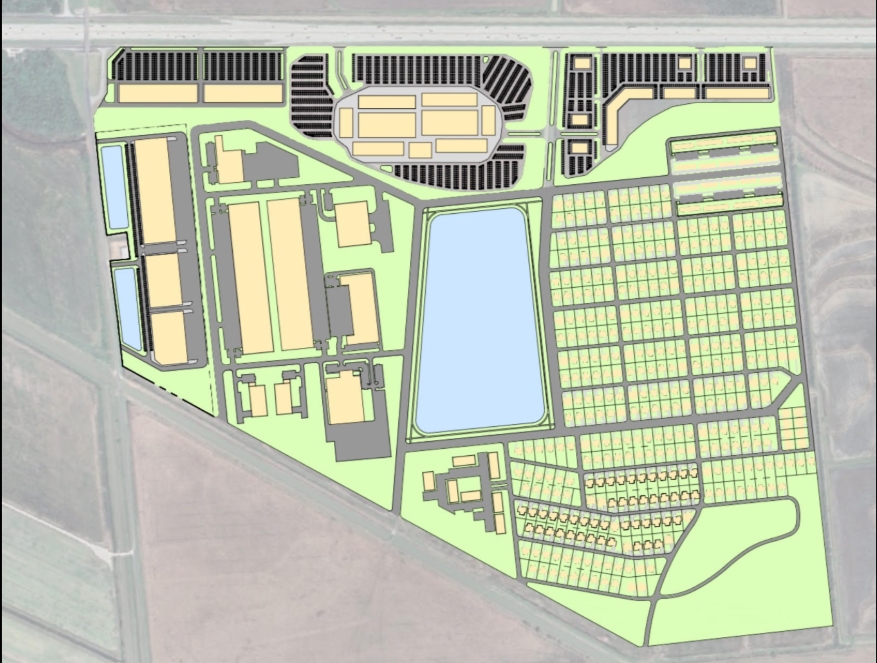
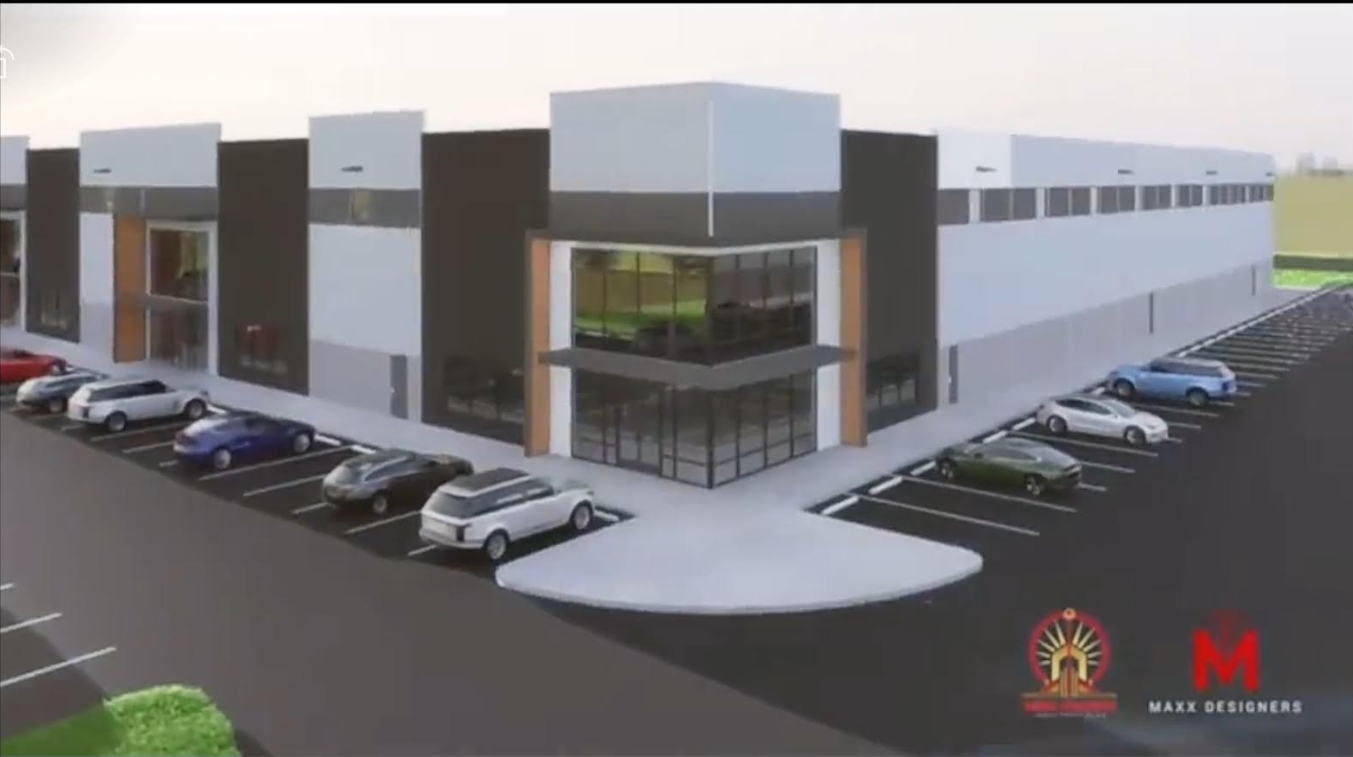
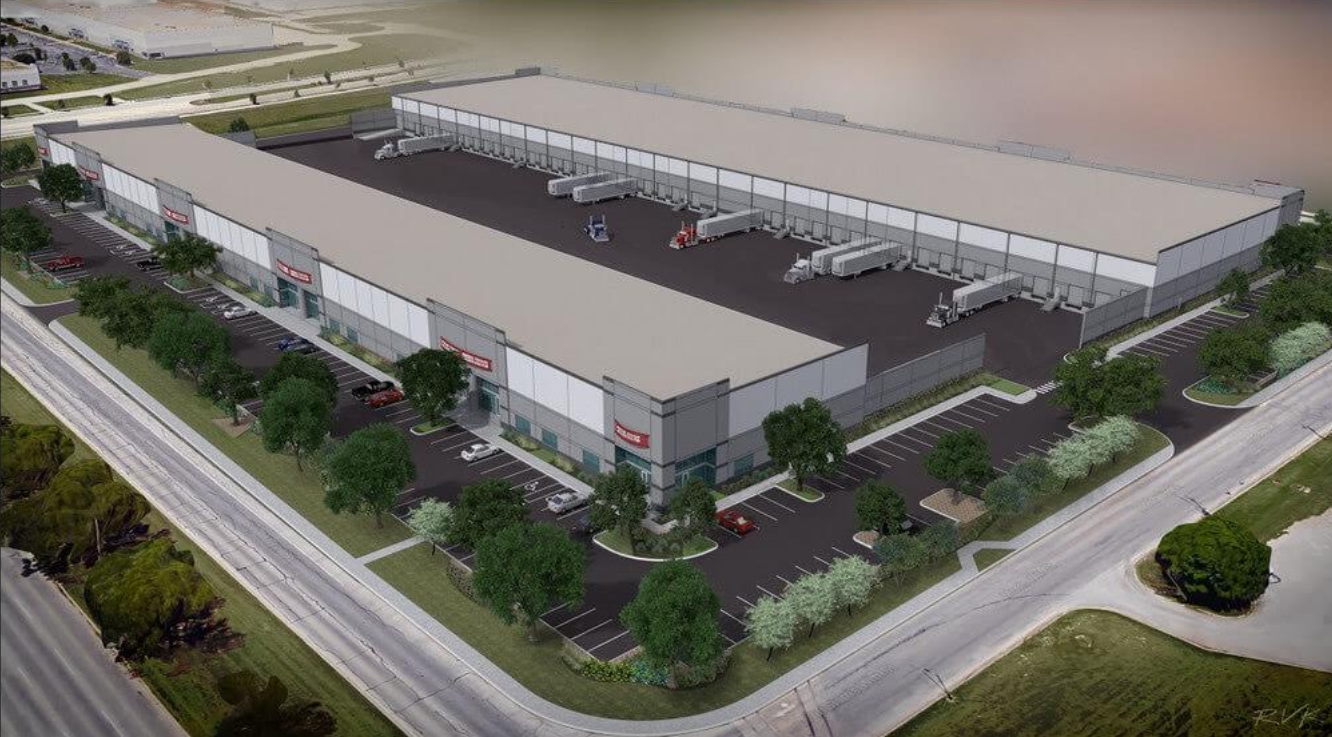
According to Mr. David Champ, who is the president and CEO of the Company that APOZ is currently the only known FTZ + QOZ (Foreign Trade Zone + Rural Qualified Opportunity Zone) dual-federal status business park in the U.S. today, it is designed to accommodate up to 300 companies to set up their manufacturing and/or final assembly operations, to take advantages of the tariff deferral and capital gain tax deferral & exemptions to create a win-win mutually-benefited strategic synergy between the U.S. and its trading partners such as Taiwan, South Korea, Japan, Mexico, China and Southeast Asian countries. This project is currently getting ready for application submission to the U.S. Army Corp. of Engineers for the Wetland Delineation final approval, and MUD (Municipal Utility District) formation application.
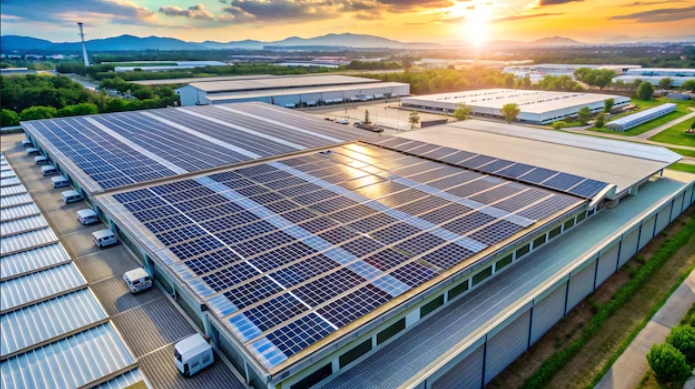
Ms. Ruby Lin who is a director of the board of Token Communities further states, APOZ as America's First AI‑Driven, Solar‑Powered Triple‑Zone Community ( QOZ + FTZ + QROZ ), it is designed to be a self‑evolving, energy‑independent smart community built for the future. APOZ is the first fully solar‑powered AI community in the U.S., built inside a Triple‑Zone federal overlay (QOZ + FTZ + QROZ / Qualified Opportunity Zone + Foreign Trade Zone + Qualified Rural Opportunity Zone ), This combination creates a nationally unique development with:
Zero‑carbon energy independence
AI‑optimized micro‑grid
Federal tax incentives
Lower operating costs
Higher investor returns
APOZ integrates AI, solar energy, affordable modular housing, and logistics into a scalable community platform.
< Vision & Mission >
To build America's first AI‑Evolving, Solar‑Powered Community, where energy, infrastructure, and governance continuously improve through machine learning and renewable power.
Deliver a
100% solar‑powered residential and commercial ecosystemUse AI to optimize energy, mobility, and community operations
Reduce resident utility costs by 40
-70% Create a resilient, disaster‑ready micro‑grid
Build a replicable model for future U.S. communities
< Market Opportunity >
U.S. solar adoption growing 20
-30% annuallyGrid instability increasing (Texas, California, Florida)
Federal incentives for renewable energy and rural electrification
Rising demand for energy‑independent communities
APOZ becomes a national showcase for A.I. + solar + affordable housing.
< APOZ A.I. Community Model >
A. Smart A.I‑Optimized Solar Micro‑Grid -
APOZ operates a community‑scale solar micro‑grid with :
Rooftop + community solar farms
AI‑managed battery storage
AI‑predicted energy demand curves
Dynamic load balancing
EV charging optimization
Blackout‑proof islanding mode
Outcome:
40
-70% lower resident utility bills30
-50% lower community OPEXEnergy independence during storms
Revenue from excess power sales
This becomes one of APOZ's strongest investor selling points.
B. AI Adaptive Living OS -
Predictive energy usage
Smart HVAC optimization
Solar‑aware scheduling for appliances
AI‑driven demand response
C. AI Micro‑Economy Engine -
Solar‑powered shared mobility
Solar‑powered logistics hub
Solar‑powered community marketplace
D. AI‑Enhanced Modular Housing -
All homes include:
Integrated solar roofs
Battery storage
Smart inverters
Energy‑learning algorithms
E. AI Governance DAO -
Transparent energy budgeting
Community voting on energy reinvestment
Solar revenue‑sharing options
< APOZ Triple‑Zone Advantage >
Solar strengthens each zone :
Zone Type Benefit Solar Advantage
QOZ Tax elimination Solar CAPEX qualifies for additional incentives
FTZ Logistics & manufacturing Solar‑powered assembly reduces operating cost
QROZ Rural incentives Eligible for federal renewable energy grants, APOZ becomes the only solar‑powered Triple‑Zone community in the U.S.
< Business Model & Revenue Streams >
Recurring Revenue - Rental Income with Annual Escalation, Common Area Maintenance fees, FTZ Zone Operator fees, service fees, and many more -
* Solar Energy Revenue
Resident energy subscriptions
Commercial energy sales
Excess power sold back to grid
EV charging revenue
* Community‑as‑a‑Service (CaaS)
Solar monitoring
Energy optimization
Battery health analytics
* AI Micro‑Economy Fees
Solar‑powered mobility + logistics.
* FTZ Logistics Revenue
Solar reduces warehouse OPEX.
* Data‑as‑Equity Platform
Now includes energy data participation.
* Development Phasing
Phase 1 - Solar + AI Infrastructure (0-12 months)
Solar micro‑grid design
Battery storage procurement
AI energy OS v1
FTZ activation
MUD formation
Phase 2 - First 200 Solar‑Powered Units (12-30 months)
Solar rooftops + community solar field
Energy‑optimized modular homes
Solar‑powered mobility hub
Phase 3 - Scale to 1,000-3,000 Units (30-60 months)
Expand solar farms
Add commercial solar canopies
Solar‑powered logistics center
Phase 4 - Replication (60+ months)
License AI + solar OS
Expand APOZ to multiple states
* Financial Model (Updated)
New Solar‑Driven Economics
Utility savings: 40
-70% OPEX reduction: 30
-50% Solar revenue:
$1.2M -$3.5M annually (stabilized)Battery arbitrage revenue: additional 5
-10%
* Target Returns -
Equity IRR: 20
-30% Equity Multiple: 2.5-4.0x
Stabilized NOI Margin: 40
-55%
Solar significantly boosts investor returns.
* Competitive Advantages -
1. First Solar‑Powered AI Community in the U.S.
A national showcase.
2. Only Triple‑Zone AI + Solar Community
Regulatory + energy + tax moat.
3. Energy Independence
Storm‑resilient, blackout‑proof.
4. Lower OPEX, Higher NOI
Solar + AI = unbeatable economics.
5. Replicable Nationwide
Software + solar + modular = scalable.
Phase 1 Capital Raise
$ 25M -$ 45M equity
(increased due to solar micro‑grid CAPEX)
Phase 2-3 Capital Raise
$100M -$180M ( mix of equity, debt, MUD bonds, solar financing )
* Exit Strategies -
1. Sell to Renewable Infrastructure Funds
Solar + AI = premium valuation.
2. Hold 10 years for QOZ tax elimination (
Maximizes returns.
3. Spin off AI + Solar OS
High‑multiple SaaS + energy platform.
* Conclusion -
APOZ is now positioned as America's first AI‑Driven, Solar‑Powered Triple‑Zone Community. A self‑evolving, energy‑independent, tax‑advantaged community model that can scale nationwide.
For any further information, please contact Mr. David Champ at (631) 397-1111.
Forward-Looking Statements
Certain information set forth in this presentation contains "forward-looking information", including "future-oriented financial information" and "financial outlook", under applicable securities laws (collectively referred to herein as forward-looking statements). Except for statements of historical fact, the information contained herein constitutes forward-looking statements and includes, but is not limited to, the (i) projected financial performance of the Company; (ii) completion of, and the use of proceeds from, the sale of the shares being offered hereunder; (iii) the expected development of the Company's business, projects, and joint ventures; (iv) execution of the Company's vision and growth strategy, including with respect to future M&A activity and global growth; (v) sources and availability of third-party financing for the Company's projects; (vi) completion of the Company's projects that are currently underway, in development or otherwise under consideration; (vi) renewal of the Company's current customer, supplier and other material agreements; and (vii) future liquidity, working capital, and capital requirements. Forward-looking statements are provided to allow potential investors the opportunity to understand management's beliefs and opinions in respect of the future so that they may use such beliefs and opinions as one factor in evaluating an investment.
These statements are not guarantees of future performance and undue reliance should not be placed on them. Such forward-looking statements necessarily involve known and unknown risks and uncertainties, which may cause actual performance and financial results in future periods to differ materially from any projections of future performance or result expressed or implied by such forward-looking statements.
Although forward-looking statements contained in this presentation are based upon what management of the Company believes are reasonable assumptions, there can be no assurance that forward-looking statements will prove to be accurate, as actual results and future events could differ materially from those anticipated in such statements. The Company undertakes no obligation to update forward-looking statements if circumstances or management's estimates or opinions should change except as required by applicable securities laws. The reader is cautioned not to place undue reliance on forward-looking statements.
SOURCE: Token Communities Ltd.
View the original press release on ACCESS Newswire
FAQ
AI-generated questions and answers. How Rhea-AI works. Not financial advice.