
Message Received: Viasat Continues Direct-to-Device Showcase with First Demonstration in United Arab Emirates
Viasat (NASDAQ: VSAT) has successfully demonstrated direct-to-device (D2D) satellite connectivity for the first time in the United Arab Emirates, marking its third successful showcase this quarter following demonstrations in India and Saudi Arabia.
Rhea-AI Summary
Viasat (NASDAQ: VSAT) has successfully demonstrated direct-to-device (D2D) satellite connectivity for the first time in the United Arab Emirates, marking its third successful showcase this quarter following demonstrations in India and Saudi Arabia. The company, in collaboration with Skylo and TDRA, successfully sent satellite-enabled two-way messages and SoS messages using commercial Android smartphones enabled for non-terrestrial network connectivity.
The demonstration utilized Viasat's L-band satellites orbiting above Asia and was enabled by 3GPP standards-based NTN service infrastructure. D2D technology allows everyday devices to connect seamlessly to both terrestrial and satellite connectivity without additional hardware, following new global mobile 3GPP release 17 standards.
Positive
- Successfully completed third major D2D demonstration in UAE, following India and Saudi Arabia
- Demonstrated working technology using existing L-band satellites and licensed spectrum
- Technology compatible with standard Android smartphones without additional hardware
Negative
- None.
Details
News Market Reaction – VSAT
The recorded move for VSAT in the trading session of this news was +3.13%.
Data tracked by StockTitan Argus. Session date unavailable.
AI-generated analysis. How Rhea-AI works. Not financial advice.




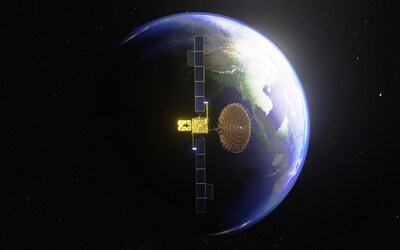
Viasat and Skylo have shared messages from a mobile device over satellite for the first time in the country in collaboration with the Telecommunications and Digital Government Regulatory Authority (TDRA): marking the third major demo this quarter.
Viasat successfully sent satellite-enabled two-way messages and SoS messages for attendees at this week's Abu Dhabi Space Debate event. The showcase took place alongside the event at the headquarters of the
It marks Viasat's third successful showcase this quarter following high-profile demonstrations in both
The tests used a commercial Android smartphone enabled for non-terrestrial network (NTN) connectivity with an over-the-top messaging application. Separate messages were successfully sent over two of Viasat's highly reliable L-band satellites which orbit above
D2D is an emerging technology which allows everyday devices – like mobile phones, cars or industrial machinery – to connect seamlessly to both terrestrial and satellite connectivity without the need for additional dedicated hardware. The technology follows new global mobile 3GPP release 17 standards, which are being adopted by satellite operators, mobile network operators, handset and chipset manufacturers.
The demonstration was enabled by Viasat's highly reliable L-band satellite capabilities. Importantly, the company's approach of using already-licensed and dedicated satellite spectrum will enable it to work with mobile network operators to provide these services in the future without sacrificing or interfering with any terrestrial spectrum.
Kevin Cohen, VP, Direct to Device Partnerships, Viasat, said: "In regions all over the world, millions of people do not have access to consistent, reliable networks. Satellite-enabled D2D could help reduce these barriers by allowing people to stay safe, secure, and connected when terrestrial services are interrupted or unavailable. That is why we're excited by the opportunity. We'd like to thank TDRA and our international partners for their support."
About Viasat
Viasat is a global communications company that believes everyone and everything in the world can be connected. With offices in 24 countries around the world, our mission shapes how consumers, businesses, governments and militaries around the world communicate and connect. Viasat is developing the ultimate global communications network to power high-quality, reliable, secure, affordable, fast connections to positively impact people's lives anywhere they are—on the ground, in the air or at sea, while building a sustainable future in space. In May 2023, Viasat completed its acquisition of Inmarsat, combining the teams, technologies and resources of the two companies to create a new global communications partner. Learn more at www.viasat.com, the Viasat News Room or follow us on Facebook, Instagram, LinkedIn, X or YouTube.
Copyright © 2024 Viasat, Inc. All rights reserved. Viasat, the Viasat logo and the Viasat Signal are registered trademarks in the
Forward-Looking Statements
This press release contains forward-looking statements that are subject to the safe harbors created under the Securities Act of 1933 and the Securities Exchange Act of 1934. Forward-looking statements include, among others, statements that refer to the availability, design, features, benefits and performance of Viasat's D2D services. Readers are cautioned that actual results could differ materially from those expressed in any forward-looking statements. Factors that could cause actual results to differ include: risks associated with the construction, launch and operation of satellites, including the effect of any anomaly, operational failure or degradation in satellite performance; network availability or satellite capacity required to scale direct-to-device services; our ability to realize the anticipated benefits of satellites and any future satellite we may construct or acquire; the effect of adverse regulatory changes (including changes affecting spectrum availability or permitted uses) on our ability to sell or deploy our products and services; changes in the way others use spectrum; our inability to access additional spectrum, use spectrum for additional purposes, and/or operate satellites at additional orbital locations; and competing uses of the same spectrum or orbital locations that we utilize or seek to utilize. In addition, please refer to the risk factors contained in our SEC filings available at www.sec.gov, including our most recent Annual Report on Form 10-K and Quarterly Reports on Form 10-Q. Readers are cautioned not to place undue reliance on any forward-looking statements, which speak only as of the date on which they are made. We undertake no obligation to update or revise any forward-looking statements for any reason.
 View original content to download multimedia:https://www.prnewswire.com/news-releases/message-received-viasat-continues-direct-to-device-showcase-with-first-demonstration-in-united-arab-emirates-302328881.html
SOURCE Viasat, Inc.
FAQ
AI-generated questions and answers. How Rhea-AI works. Not financial advice.