
Abbott receives FDA authorization for world's first dual glucose-ketone sensing technology for people with diabetes
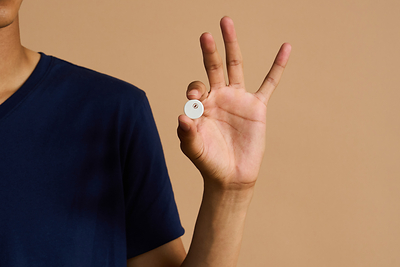
Abbott (NYSE: ABT) received U.S. FDA De Novo authorization for Libre Duo 10 Day, described as the world’s first dual glucose‑ketone continuous monitoring system for people with diabetes.
Sentiment and the balance of points
Rhea-AI Sentiment reads the wording of the document, how positive or negative its language is on a 1 to 5 scale. The balance of points shown with the takes weighs what the document actually discloses, so the two can disagree, for example when a trial that missed its main goal is described in upbeat language.
Rhea-AI Summary
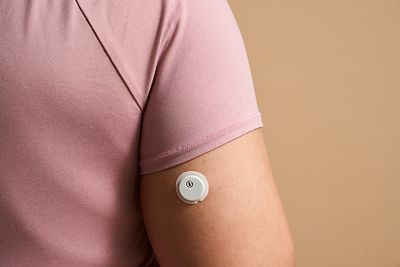
Abbott (NYSE: ABT) received U.S. FDA De Novo authorization for Libre Duo 10 Day, described as the world’s first dual glucose‑ketone continuous monitoring system for people with diabetes. The biowearable continuously tracks glucose for daily management while monitoring rising ketone levels in the background to help detect risk of diabetic ketoacidosis (DKA).
Libre Duo 10 Day is the first device to meet both the FDA’s iCGM and new iCGK standards. It is indicated for people with diabetes aged 2 and older, offers up to 10 days of wear, and uses Abbott’s latest U.S. Libre app with integration into the LibreView and LibreLinkUp ecosystem. Abbott plans a U.S. launch later in 2026 and expects connectivity with Beta Bionics’ iLet and Sequel Med Tech’s twiist AID systems by year‑end, and with Insulet, Tandem and MiniMed smart dosing systems in 2027. According to Abbott, a study showed 84.1% of adult sensors and 68.8% of pediatric sensors lasted the full 10 days. Libre Duo systems also hold a CE Mark in Europe.
Positive
- FDA De Novo authorization for first dual glucose‑ketone iCGM/iCGK system
- Indication from age 2+ expands potential user base for Libre Duo 10 Day
- Up to 10‑day wear with 84.1% adult and 68.8% pediatric sensors lasting full duration
- Integration with Libre app, LibreView, LibreLinkUp and planned AID systems through 2027
- CE Mark for Libre Duo systems supports availability beyond the United States
Negative
- Sensor longevity: about 16% of adult and 31% of pediatric sensors may not last full 10 days
- Alarm limitations: Urgent Low Glucose and Urgent High Ketones alarms may not detect all extreme values
- Need for confirmatory tests when readings and alarms do not match symptoms or expectations
Details
News Market Reaction – ABT
On Aug 25, the day this news came out, ABT closed 0.48% below the previous close.
Data tracked by StockTitan Argus for the Aug 25 session.
AI-generated analysis. How Rhea-AI works. Not financial advice.




- Libre Duo 10 Day is a first-of-its-kind, two-in-one biowearable that monitors glucose and helps detect rising ketone levels that can lead to diabetic ketoacidosis (DKA), a serious health condition for people living with diabetes
- Designed to seamlessly address a critical gap in ketone monitoring, providing needed health data without adding burden on people living with diabetes
- Integrates with the latest-generation Libre app available in the
U.S . and the full Libre digital health ecosystem; designed for compatibility with leading automated insulin delivery (AID) systems
ABBOTT PARK, Ill., Aug. 25, 2026 /PRNewswire/ -- Abbott (NYSE: ABT), the global healthcare leader, today announced
First-of-its-kind technology
Libre Duo 10 Day received De Novo authorization after securing breakthrough device designation from the FDA through a program designed to help people gain faster access to innovative medical technologies. It's the first system to meet the FDA's integrated continuous glucose monitoring (iCGM) standard and the new integrated continuous glucose and ketone monitoring (iCGK) standard, which establishes a benchmark for continuous ketone monitoring in
Monitoring ketones in the background
DKA is the most common hyperglycemic emergency for people living with diabetes,1,2 and hospital admissions for DKA have increased
"As a physician, I see how quickly DKA can develop—and how often early warning signs or opportunities to measure ketones are missed," said Jennifer Sherr, M.D., Ph.D., pediatric endocrinologist at Yale School of Medicine. "Abbott's dual glucose-ketone system is meaningful because ketone data is collected in the background, helping provide earlier awareness of rising ketone levels."
How Libre Duo 10 Day works
Libre Duo 10 Day continuously monitors both glucose – the standard of care for daily diabetes management – and ketone levels. Unlike blood or urine ketone tests, which provide only a single point-in-time reading, the sensors continuously track ketones and are designed to alert people when ketones are rising.
"If glucose is the speedometer, ketones are like the check engine light—providing an alert that something may need attention," said Chris Scoggins, executive vice president of Abbott's diabetes care business. "Libre Duo 10 Day brings both glucose and ketone levels together in a single dashboard, providing a more complete picture to help people with diabetes make more informed decisions."
Libre Duo 10 Day is designed for those who may be at higher risk of elevated ketones. This includes people with Type 1 or Type 2 diabetes who use insulin or other glucose-lowering medications, such as sodium-glucose cotransporter 2 inhibitors, also known as SGLT2s.
Libre Duo 10 Day offers up to 10 days of wear8 and is intended for people with diabetes ages 2 and older. It uses the latest-generation Libre app available in
Abbott is working with leading pump companies to enable automated insulin delivery (AID) systems to connect with the sensors. The company expects Libre Duo 10 Day to work with Beta Bionics' iLet and Sequel Med Tech's twiist AID systems by the end of this year and with devices from Insulet and Tandem in 2027. Abbott and MiniMed are collaborating on an exclusive integration between Abbott-manufactured dual glucose-ketone sensors and MiniMed smart dosing systems, which is expected in 2027.
"In my role with Breakthrough T1D, and as someone who has lived with Type 1 diabetes for decades, I understand the serious risk of diabetic ketoacidosis and how challenging it can be to identify and monitor elevated ketone levels," said Aaron J. Kowalski, Ph.D., chief executive officer of Breakthrough T1D. "New technology like Abbott's dual glucose-ketone system has the potential to change that reality by giving people early and actionable information that can help identify and prevent dangerous complications like DKA. Breakthrough T1D is excited that the diabetes community will have this option available to support their day-to-day management."
Abbott received CE Mark for Libre Duo systems earlier this year.
For more about Libre Duo 10 Day, visit https://abbo.tt/libreduo.
Frequently Asked Questions
Do people with diabetes need a continuous ketone monitor?
Continuous glucose monitors (CGMs) track glucose, but they do not measure ketones. According to the American Diabetes Association, elevated ketones can progress to diabetic ketoacidosis (DKA) within hours, making early detection critical. Because ketone levels can rise quickly — sometimes independently of glucose and differently for each person — and symptoms are often mistaken for common illnesses, having an alert system helps people act sooner.4,6,9,7
Can ketones be elevated even when glucose is normal?
DKA can still develop even when glucose levels appear stable6. While CGMs play an essential role in helping people manage their diabetes, they do not currently measure ketones, which are the key driver of DKA. Relying on glucose data alone may not always provide an early warning before DKA develops, which is why a dual glucose-ketone sensor, like Libre Duo 10 Day in
How will people know when to take action?
Similar to how CGMs help with glucose, Abbott's Libre Duo 10 Day will operate in the background, and alert people when ketone levels are elevated. Libre Duo 10 day is designed to provide important information when people need it.
About Libre:
Abbott is the global leader in diabetes technology and biowearables. More than 10 years ago, Abbott transformed diabetes care with its world-leading Libre continuous glucose monitoring portfolio, now used by more than 8 million people in over 60 countries10. Libre technology provides real-time, personalized insights to help people understand how food, activity and medications affect their bodies. The latest Libre innovation is the world's first dual glucose-ketone sensor, which monitors glucose and helps detect rising ketone levels that can lead to diabetic ketoacidosis, a serious diabetes-related complication.
About Abbott:
Abbott is a global healthcare leader that helps people live more fully at all stages of life. Our portfolio of life-changing technologies spans the spectrum of healthcare, with leading businesses and products in diagnostics, medical devices, nutritionals and branded generic medicines. Our 122,000 colleagues serve people in more than 160 countries.
Connect with us at www.abbott.com and on LinkedIn, Facebook, Instagram, X, and YouTube.
Important Safety Information (for U.S. residents only):
Failure to use the Libre Duo 10 Day system as instructed in labeling may result in missing a severe glucose and/or ketones event and/or making a treatment decision, resulting in injury. If readings and alarms (if enabled) do not match symptoms or expectations, use a fingerstick glucose value from a blood glucose meter for treatment decisions. Ketone output should be used in conjunction with glucose levels. The Urgent Low Glucose alarm and Urgent High Ketones alarm may not detect all instances of glucose less than 55 mg/dL and ketones higher than 3.0 mmol/L, so these should be used together with respective sensor readings for treatment decisions. Get medical attention when appropriate. For more information, call Abbott Customer Service at 855-632-8658 or visit FreeStyleLibre.us.
- Centers for Disease Control. "National Diabetes Statistics Report." Accessed May 4, 2026. National Diabetes Statistics Report - United States Diabetes Surveillance System
- Nguyen, K. T. Journal of Diabetes Science and Technology (2022). https://doi.org/10.1177/19322968211042656.
- Umpierrez, et al. Diabetes Care (2024): https://doi.org/10.2337/dci24-0032.
- American Diabetes Association. "Planning for Sick Days." Accessed February 6, 2026. https://diabetes.org/getting-sick-with-diabetes/sick-days.
- Albanese-O'Neill et al. Diabetes Care (2017): https://doi.org/10.2337/dc16-2620.
- Dhatariya, et al. Lancet Diabetes & Endocrinology (2025): https://pubmed.ncbi.nlm.nih.gov/41381175/
- Virdi, N. Diabetes Technology & Therapeutics (2023). https://doi.org/10.1089/dia.2023.0149.
- A study was conducted to evaluate Libre Duo 10 Day sensor wear duration. Results showed that
84.1% of sensors in the adult population and68.8% of sensors in the pediatric population lasted the full 10 days. This means that, when the product is used according to the labeling, approximately16% of sensors in the adult population and31% of sensors in the pediatric population may not last for the full 10 days. - Seidu S. et al. 'Rising burden of diabetic ketoacidosis in the UK: 23-year trends, recurrence, and predictors from linked primary–secondary care data.' Oral presentation, ATTD 2026, Barcelona, Spain, 11-14 March 2026.
- Data on File, Abbott Diabetes Care. Data based on the number of patients assigned to each manufacturer.

 View original content to download multimedia:https://www.prnewswire.com/news-releases/abbott-receives-fda-authorization-for-worlds-first-dual-glucose-ketone-sensing-technology-for-people-with-diabetes-302859742.html
SOURCE Abbott
FAQ
AI-generated questions and answers. How Rhea-AI works. Not financial advice.