
Aduro Clean Technologies Files New Patent Application on Novel Process Design
Aduro Clean Technologies (Nasdaq: ADUR) has filed a new patent application in the United States for a novel process design implementing its Hydrochemolytic™ Technology (HCT).
Sentiment and the balance of points
Rhea-AI Sentiment reads the wording of the document, how positive or negative its language is on a 1 to 5 scale. The balance of points shown with the takes weighs what the document actually discloses, so the two can disagree, for example when a trial that missed its main goal is described in upbeat language.
Rhea-AI Summary
Aduro Clean Technologies (Nasdaq: ADUR) has filed a new patent application in the United States for a novel process design implementing its Hydrochemolytic™ Technology (HCT). The design will be integrated into the Next Generation Process (NGP) Pilot Plant, scheduled for completion in Q3 2024.
The innovation utilizes widely available industrial equipment in a novel configuration, enabling more efficient and scalable implementation of HCT. Over the past two years, the company has collaborated with key international vendors in Europe and the US to test and refine critical design elements.
The patent covers a modular process to deconstruct polyaddition polymers like polyethylene, polypropylene, and polystyrene, addressing both contaminated and non-contaminated feedstock. This development strengthens Aduro's intellectual property portfolio and marks a significant milestone in their commercialization strategy.
Positive
- Patent filing strengthens intellectual property portfolio and commercialization potential
- Design uses readily available industrial equipment, reducing implementation costs
- NGP Pilot Plant remains on schedule for Q3 2024 completion
- Innovation enables processing of both contaminated and non-contaminated feedstock
Negative
- None.
Insights
This patent filing represents a significant strategic advancement in Aduro's commercialization journey, particularly in the competitive chemical recycling space. By innovatively repurposing widely available industrial equipment, including extruders, the company has potentially solved two critical challenges that have historically plagued the chemical recycling industry: scalability and cost-effectiveness.
The market implications are substantial. Traditional chemical recycling solutions often require specialized, custom-built equipment, leading to high capital expenditure and extended implementation timelines. Aduro's approach of utilizing existing industrial equipment in novel configurations could significantly reduce:
- Initial capital investment requirements for potential customers
- Implementation and deployment timelines
- Supply chain dependencies and equipment lead times
- Operational complexity and maintenance costs
The timing of this patent filing aligns strategically with their Q3 2025 pilot plant completion timeline, suggesting a well-coordinated approach to protecting their intellectual property before larger-scale demonstrations. This could accelerate customer adoption through their Customer Engagement Program (CEP), as potential partners can now evaluate a more concrete, practical implementation pathway.
From a competitive standpoint, this development creates a significant barrier to entry. While the core Hydrochemolytic™ Technology was already protected, this new patent application covers the practical implementation methodology, effectively creating a second layer of IP protection. The use of standard industrial equipment could also facilitate faster global scaling, as these components are readily available across different geographical regions.
However, investors should note that patent applications typically take 18-30 months for approval and success is not guaranteed. The company will need to demonstrate the effectiveness of this approach through their pilot plant operations to validate the commercial viability of their solution.
AI-generated analysis. How Rhea-AI works. Not financial advice.




The new patent application covers a multi-functional process that integrates several off-the-shelf devices, including (an) extruder(s), for effective implementation and scaleup of Aduro Hydrochemolytic™ Technology
LONDON, Ontario, Jan. 30, 2025 (GLOBE NEWSWIRE) -- Aduro Clean Technologies Inc. (“Aduro” or the “Company”) (Nasdaq: ADUR) (CSE: ACT) (FSE: 9D5), a clean technology company using the power of chemistry to transform lower value feedstocks, like waste plastics, heavy bitumen, and renewable oils, into resources for the 21st century, today announced that it has filed a patent application in the United States for a novel process design for effective implementation of it's Hydrochemolytic™ Technology (“HCT”). The design will be integrated into the Next Generation Process (“NGP”) Pilot Plant, which remains on schedule for completion in the third quarter of this year.
This new patent application strengthens Aduro’s position in advancing HCT chemistry and its practical implementation, allowing the Company to continue advancing its commercial path by building on its expanded intellectual property assets. The application also marks the achievement of a key milestone the Company set as part of its main objectives for the current year.
A key innovation of the NGP design is that it uses widely available industrial equipment in a novel fashion not previously envisioned by other approaches, enabling a more efficient and scalable implementation of Hydrochemolytic™ Technology. Over the past two years, the Company has engaged key international vendors in Europe and the United States to test, evaluate, and refine critical elements of the design. The patent application represents the culmination of years of research aimed at developing and optimizing an effective modular process to deconstruct polyaddition polymers such as polyethylene (PE), polypropylene (PP), polystyrene (PS), and others, whether contaminated or non-contaminated feedstock. By rethinking conventional processing methods, Aduro has developed a practical and scalable solution to overcome longstanding challenges in chemical recycling.
“The submission of this patent strengthens Aduro’s ability to advance both the chemistry and practical application of Hydrochemolytic™ Technology,” said Ofer Vicus, CEO of Aduro. “It highlights the ingenuity of our scientists and their commitment to driving innovation that enhances the company’s value. This process introduces a novel approach to integrating HCT with widely available industrial equipment, expanding our technological capabilities. This achievement also reinforces our focus on developing scalable, modular solutions that align with our commercialization strategy and industry needs.”
The Company continues to focus on building and commissioning the NGP Pilot Plant and expanding its engagement with potential customers. The filing of this new patent application enables Aduro to progress with ongoing discussions with existing and new participants in the Company’s Customer Engagement Program (CEP) and to share more details on key aspects of the technology’s process design and performance. The patent application adds substantive perspective on the Company’s direction and plans towards commercialisation.
“Our objective was to optimize the application of Hydrochemolytic™ Technology without the need for custom-built processing equipment,” said Marcus Trygstad, Principal Scientist, and co-inventor. “By working from core chemical principles, we identified a way to realize the full benefit of HCT while using widely available industrial equipment in a novel configuration. This achievement reflects the dedication and ingenuity of our research team, whose work continues to drive innovation in process design and scalability.”
About Aduro Clean Technologies
Aduro Clean Technologies is a developer of patented water-based technologies to chemically recycle waste plastics; convert heavy crude and bitumen into lighter, more valuable oil; and transform renewable oils into higher-value fuels or renewable chemicals. The Company’s Hydrochemolytic™ technology relies on water as a critical agent in a chemistry platform that operates at relatively low temperatures and cost, a game-changing approach that converts low-value feedstocks into resources for the 21st century.
For further information, please contact:
Abe Dyck, Head of Corporate Development / Investor Relations
ir@adurocleantech.com
+1 226 784 8889
KCSA Strategic Communications
Jack Perkins, Vice President
aduro@kcsa.com
Forward-Looking Statements
This news release contains forward-looking statements. All statements, other than statements of historical fact that address activities, events, or developments that the Company believes, expects, or anticipates will or may occur in the future, are forward-looking statements. The forward-looking statements reflect management’s current expectations based on information currently available and are subject to a number of risks and uncertainties that may cause outcomes to differ materially from those discussed in the forward-looking statements. The forward-looking statements in this release include, but are not limited to, that the new patent design will be implemented and demonstrated in the NGP Pilot Plant, which is currently on track for completion in the third quarter of this year; that the new patent application positions Aduro not just as a leader in HCT chemistry but also in its effective implementation, allowing the Company to continue advancing its commercial path by building on its expanded intellectual property assets; that the application also marks the achievement of a key milestone that the Company set as part of its main objectives for 2025; that the Company continues to focus on building and commissioning the NGP Pilot Plant and expanding its engagement with potential customers; that the filing of this new patent application will enable Aduro to progress with ongoing discussions with existing and new participants in its Customer Engagement Program and to share more details on key aspects of the technology’s process design and performance; that the patent application adds substantive perspective on the Company’s direction and plans towards commercialization; and that this achievement reflects the dedication and ingenuity of Aduro’s research team, whose work continues to drive innovation in process design and scalability. Although the Company believes that the assumptions inherent in the forward-looking statements are reasonable, forward-looking statements are not guarantees of future performance, and, accordingly, undue reliance should not be put on such statements due to their inherent uncertainty. Important factors that could cause actual results to differ materially from the Company’s expectations include, but are not limited to, delays in the supply chain or unforeseen technical challenges could prevent the NGP Pilot Plant from being completed on schedule or at all; that competitors may develop similar technologies or patent disputes could arise, hindering Aduro’s ability to establish and maintain its leadership position and advance its technology to commercialization; failure to secure necessary regulatory approvals or unexpected technical difficulties could prevent the achievement of the key milestone related to the patent filing; market conditions or lack of customer interest could impede the Company’s efforts to build and commission the NGP Pilot Plant and expand customer engagement; inadequate patent protection or failure to demonstrate the technology’s effectiveness could hinder progress in discussions with the participants of the Customer Engagement Program; changes in market demand or regulatory hurdles could negatively impact the Company’s direction and plans towards commercialization; and loss of key personnel or insufficient funding could impede the research team’s ability to drive innovation in process design and scalability; and the risk of adverse market conditions and other factors beyond the control of the parties. The Company expressly disclaims any intention or obligation to update or revise any forward-looking statements whether because of new information, future events, or otherwise, except as required by applicable law.
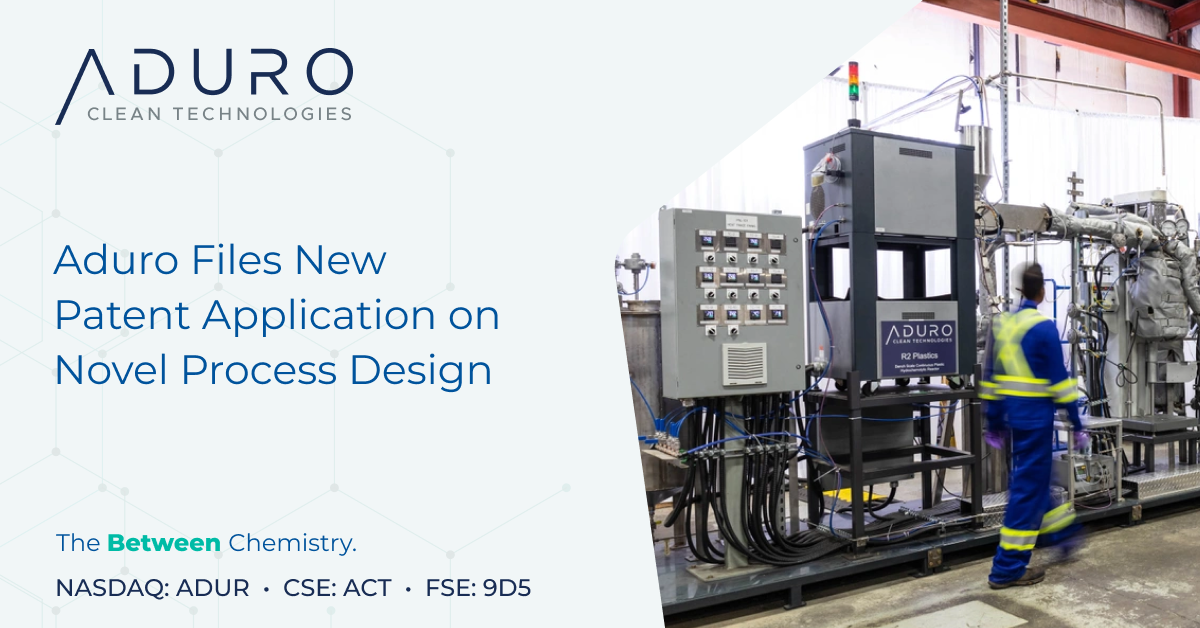
A photo accompanying this announcement is available at https://www.globenewswire.com/NewsRoom/AttachmentNg/a2c5a250-6eb4-4849-a2db-c3fb53ff4714

FAQ
AI-generated questions and answers. How Rhea-AI works. Not financial advice.