
Grupo Bimbo Reports 73% Growth in Regenerative Agriculture, Reaching More Than 500,000 Acres Hectares
Grupo Bimbo expands its multinational regenerative agriculture program to secure future ingredient supply and support soil health across over 500,000 hectares.
Sentiment and the balance of points
Rhea-AI Sentiment reads the wording of the document, how positive or negative its language is on a 1 to 5 scale. The balance of points shown with the takes weighs what the document actually discloses, so the two can disagree, for example when a trial that missed its main goal is described in upbeat language.
Rhea-AI Summary
Grupo Bimbo (BMBOY) reports that by the end of 2025 it surpassed 500,000 hectares of land cultivated under regenerative agriculture practices, a 73% increase versus the more than 290,000 hectares reported in 2024.
The company links this progress to its 2050 objective for 100% of key ingredients to come from land managed with regenerative practices, and to an interim goal through 2030 of maintaining and strengthening these methods. Its program operates with specialized partners and farmers in Canada, the United States, Brazil, the United Kingdom, and Mexico.
More than 570 farmers have been trained in practices aimed at improving soil health, biodiversity, and community resilience. Grupo Bimbo collaborates with organizations such as CIMMYT and strategic milling partners, adapting regenerative models to regional conditions and expanding pilots, including a recent formal implementation in Brazil and a first European program in the United Kingdom.
Details
News Market Reaction – BMBOY
On Sep 9, the day this news came out, BMBOY closed 3.70% below the previous close.
Data tracked by StockTitan Argus for the Sep 9 session.
AI-generated analysis. How Rhea-AI works. Not financial advice.




- In recognition of World Agriculture Day, the baking company reaffirms its 2050 goal: for
100% of its key ingredients to come from land cultivated using regenerative practices. - Grupo Bimbo is advancing this program with specialized partners in Canada, the United States, Brazil, the United Kingdom, and Mexico.
- More than 570 farmers have been trained in practices that help restore soil health.
MEXICO CITY, Sept. 09, 2026 (GLOBE NEWSWIRE) -- In recognition of World Agriculture Day, Grupo Bimbo reaffirms its commitment to an agricultural model that restores soil health and protects ecosystems. By the end of 2025, the world’s largest baking company surpassed 500,000 hectares cultivated under regenerative agriculture practices, representing
Soil health is under increasing pressure worldwide. According to the Food and Agriculture Organization of the United Nations (FAO), more than
Grupo Bimbo’s regenerative agriculture strategy is built on three core principles: improving soil health, strengthening biodiversity and ecosystems, and supporting farming communities as they transition to more resilient agricultural practices. To achieve this, the Company collaborates with research institutions such as the International Maize and Wheat Improvement Center (CIMMYT) and strategic milling partners, adapting the model to the specific conditions of each region. More than 570 farmers have been trained under this model through the joint efforts of Grupo Bimbo and its partners.
Grupo Bimbo’s work with its partners takes shape in the field through practices implemented alongside participating farmers. In Saskatchewan, Canada, a producer with more than two decades of experience combines no-till farming techniques with weather-monitoring technologies that help reduce nutrient losses and enhance soil biodiversity. In Indiana, United States, a fourth-generation farmer has integrated corn, soybean, and wheat rotations with cover crops to reduce erosion, while also operating a livestock unit that contributes resilience to the entire production system.
In 2025, Grupo Bimbo’s regenerative agriculture program significantly expanded its reach. In Brazil, a pilot initiative evolved into a formal implementation involving the local team, a strategic supplier, and farmers in the region. In the United Kingdom, Grupo Bimbo launched its first regenerative agriculture program in Europe alongside specialized partners, marking the strategy’s expansion to the continent.
Alejandra Vázquez, Global Sustainability Director at Grupo Bimbo, stated: “Regenerative agriculture reminds us that everything we do begins in the field. Every hectare added under this model strengthens soil health, supports farmers’ resilience, and helps secure the availability of our key ingredients for future generations.”
Grupo Bimbo’s goal through 2030 is to maintain and strengthen regenerative agriculture practices. With a vision that by 2050,
About Grupo Bimbo
Grupo Bimbo is the leader and largest baking Company in the world and a relevant participant in snacks. It has a presence in 99 countries worldwide, operating directly in 39 and serving another 60 through strategic partnerships. Its operations span the Americas, Europe, Asia, and Africa, with 250 bakeries and snackeries, and more than 1,600 sales centers. With annual sales of over US
Grupo Bimbo Social Media: Sitio web | Facebook | X | LinkedIn | TikTok

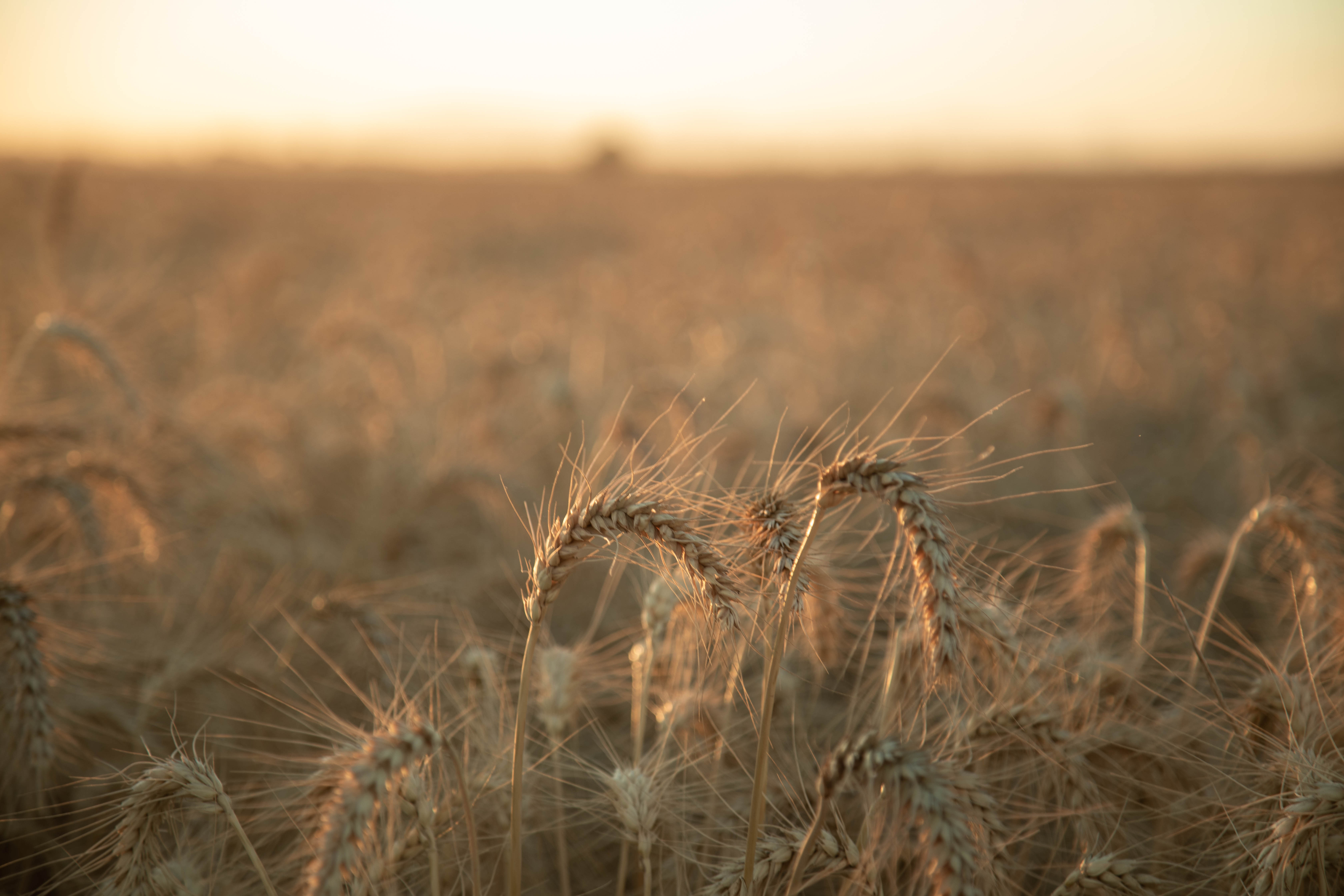
Photos accompanying this announcement are available at
https://www.globenewswire.com/NewsRoom/AttachmentNg/c91e1c13-7c9b-4658-a837-200677f9fd2c
https://www.globenewswire.com/NewsRoom/AttachmentNg/872cc290-66e6-4c26-98a7-f97809843c02
https://www.globenewswire.com/NewsRoom/AttachmentNg/743bbafc-42fe-48d5-9fcf-a27fbe5b21c5
https://www.globenewswire.com/NewsRoom/AttachmentNg/9a3dd13b-869c-4b0f-bf84-8561a25d3fd3

Media Contacts:
Nina Negrin
Buchanan Public Relations
bbu@buchananpr.com
FAQ
AI-generated questions and answers. How Rhea-AI works. Not financial advice.
What long-term goals has Grupo Bimbo set for regenerative agriculture?
The company’s vision is that by 2050, 100% of its key ingredients will come from land cultivated under regenerative agriculture practices. Through 2030, its goal is to maintain and strengthen these practices across its supply chain.
In which countries is Grupo Bimbo currently implementing its regenerative agriculture program?
The program is active with specialized partners and farmers in Canada, the United States, Brazil, the United Kingdom, and Mexico, with Brazil moving from a pilot to formal implementation and the United Kingdom hosting the first European program.
How many farmers have been trained under Grupo Bimbo’s regenerative agriculture model?
More than 570 farmers have been trained in regenerative practices designed to restore soil health, strengthen biodiversity and ecosystems, and support farming communities during their transition to more resilient agricultural systems.
What partners does Grupo Bimbo work with to advance regenerative agriculture?
Grupo Bimbo collaborates with research institutions such as the International Maize and Wheat Improvement Center (CIMMYT) and with strategic milling partners, adapting regenerative agriculture models to the specific agronomic and climatic conditions of each region where it operates.
What kinds of on-farm practices are highlighted in Grupo Bimbo’s regenerative agriculture efforts?
Examples include no-till farming combined with weather-monitoring technologies in Saskatchewan, Canada, to reduce nutrient losses and enhance soil biodiversity, and diversified crop rotations with cover crops plus a livestock unit in Indiana, United States, to reduce erosion and increase production system resilience.