
Doximity to Provide New Clinical AI Tools Across NewYork-Presbyterian, Columbia University and Weill Cornell Medicine
Sentiment and the balance of points
Rhea-AI Sentiment reads the wording of the document, how positive or negative its language is on a 1 to 5 scale. The balance of points shown with the takes weighs what the document actually discloses, so the two can disagree, for example when a trial that missed its main goal is described in upbeat language.


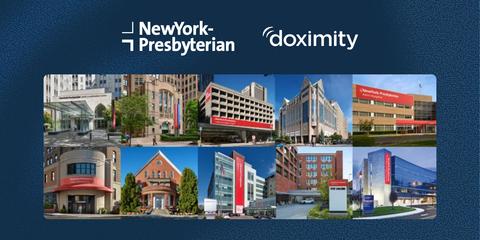
Doximity to Provide New Clinical AI Tools Across
NewYork-Presbyterian,
Through Doximity, NewYork-Presbyterian,
- Doximity Ask: HIPAA-compliant clinical decision support
- Doximity Scribe: For generating patient notes during visits, capturing dictations on the go, and pre-charting directly from the clinician’s phone or desktop.
The expansion builds on NewYork-Presbyterian's use of Doximity Dialer since 2021. Doximity already makes remote video and audio appointments easier for doctors and patients.
Doximity Ask will be available from the Epic electronic health record system available across all three institutions. Doximity’s AI tools will enable NewYork-Presbyterian,
“We’re proud to have supported the team at NewYork-Presbyterian in delivering excellent care for their patients since 2021. Now, teams at NewYork-Presbyterian,
“Expanding our relationship with Doximity to include Doximity Scribe and Ask gives our teams a more connected set of tools across the clinical workflow, from patient communication and documentation to accessing evidence-based information at the point of care,” said Chif Umejei, chief information officer at NewYork-Presbyterian.
The collaboration reflects a shared focus on giving clinicians technology that fits naturally into how they practice. By facilitating easy access to clinical references and making documentation simpler, Doximity, NewYork-Presbyterian,
About Doximity
Founded in 2010, Doximity is the leading digital platform for
About NewYork-Presbyterian
NewYork-Presbyterian is one of the nation’s most comprehensive, integrated academic healthcare systems, encompassing 10 hospitals and nearly 350 locations including primary and specialty care clinics and medical groups with world-class doctors from Columbia and Weill Cornell Medicine, and an array of telemedicine services.*
A leader in medical education, NewYork-Presbyterian Hospital is affiliated with two renowned medical schools, Columbia University Vagelos College of Physicians and Surgeons and Weill Cornell Medicine. This collaboration means patients have access to the country’s leading physicians, the full range of medical specialties, latest innovations in care, and research that is developing cures and saving lives.
Founded 255 years ago, NewYork-Presbyterian Hospital, in collaboration with its academic partners, has a long legacy of medical breakthroughs and innovation, from the invention of the Pap test to pioneering the groundbreaking heart valve replacement procedure called TAVR.
NewYork-Presbyterian’s 45,000 employees and affiliated physicians are dedicated to providing the highest quality, most compassionate care to New Yorkers and patients from across the country and around the world.
For more information, visit www.nyp.org and find us on Facebook, Instagram, LinkedIn, Pinterest and YouTube.
*In collaboration with physicians from ColumbiaDoctors and Weill Cornell Medicine, NewYork-Presbyterian provides care at 450+ locations.
View source version on businesswire.com: https://www.businesswire.com/news/home/20261113755453/en/
Contacts: Doximity
Media Contact
Richard George
pr@doximity.com
Investor Contact
Perry Gold
ir@doximity.com
Contacts: NewYork-Presbyterian
pr@nyp.org
Source: Doximity