
Election Scams on the Rise: Over Half of Americans Targeted with Election Scams
Rhea-AI Summary
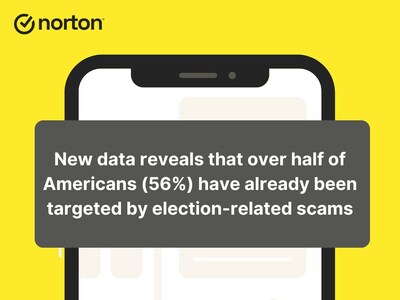
A new Norton survey reveals that over half of Americans (56%) have been targeted by election-related scams, with younger voters under 35 being the most affected. Key findings include:
- 66% of those aged 25-34 reported encounters with election scams
- 19% of targeted individuals fell victim, with 88% reporting financial losses averaging $7,200
- Top concerns include fake news/disinformation (43%), fake polls/surveys (31%), and voter registration scams (31%)
- Common scams include robocalls (37% targeted), fake news/disinformation (20%), and political donation scams (19%)
The survey also found that 82% of respondents plan to vote, but 40% express concerns about polling station legitimacy. Norton recommends verifying sources, being cautious when donating, and reporting suspicious activity to stay safe during the election season.
Positive
- Norton's survey provides valuable insights into election-related scams, potentially increasing brand awareness and credibility
- The survey results may drive increased demand for Norton's cybersecurity products and services
Negative
- No specific financial or business metrics for Gen (NASDAQ: GEN) were provided in the press release
- The focus on election scams may not directly translate to increased revenue or profitability for the company
News Market Reaction – GEN
In the trading session that priced this news, GEN declined 3.06%, reflecting a moderate negative market reaction.
Data tracked by StockTitan Argus on the day of publication.
AI-generated analysis. How Rhea-AI works. Not financial advice.




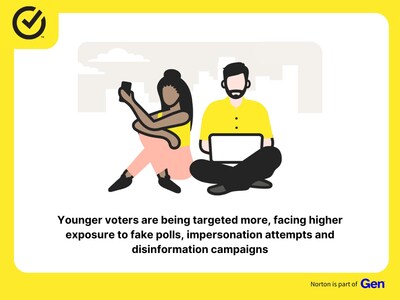
New Norton Survey Finds Younger Voters Under 35 Targeted Most with Fake Polls, Donation Scams and Disinformation
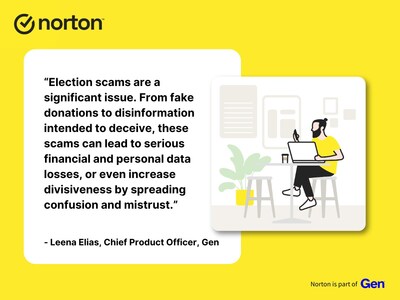
"Election scams are a significant issue. From fake donations to disinformation intended to deceive, these scams can lead to serious financial and personal data losses, or even increase divisiveness by spreading confusion and mistrust," said Leena Elias, Chief Product Officer at Gen. "Protecting voters means staying ahead of new threats and providing people with the Cyber Safety knowledge and tools they need to safeguard their personal information and confidently vote."
Who's at Risk?
Younger adults are most at risk of being bombarded by election scams, with two-thirds (
Financial Losses
Alarmingly, nearly one in five (
Voter Concerns: Rising Anxiety Over Election Scams
As Election Day approaches, voters are apprehensive about scams designed to mislead them. The survey reveals that fake news and disinformation top the list of concerns, with
These fears are not unfounded. Several common scams have emerged during this election cycle:
- Robocalls: Topping the list of reported scam attempts, over one-third (
37% ) of participants reported being targeted by election-related robocalls, which disproportionately target Americans over the age of 55 (45% ). - Fake News/Disinformation: One-fifth (
20% ) of respondents reported encountering misleading information, with voters aged 25 to 34 particularly at risk—with28% being targeted by such tactics. - Political Donation Scams: One in five (
19% ) expressed worry about the legitimacy of texts and emails asking for money. With the average person receiving 11 fundraising messages a week, it can be challenging to sort through what is real and what is not, which is why nearly half (48% ) of voters choose to delete and two-thirds ignore political messages all together. - Impersonation Scams/Deepfakes: About one in ten (
10% ) participants say they encountered impersonation scams and deepfakes, which were notably more prevalent among individuals aged 25 to 34 (20% ). - Fake Polls and Surveys:
17% of those surveyed were targeted by attempts to capture and steal personal information in fake polls, with the highest instances among the 18 to 24 age group (25% ).
Additionally, while
Your Guide to Staying Safe This Election Season
To help protect yourself from election-related scams, Norton recommends the following:
- Verify Sources: Always check the credibility of the information you receive. Stick to official election websites and trusted news sources for accurate updates.
- Be Cautious when Donating: If you're considering donating, research the organization first. Legitimate organizations will provide clear information on how donations are used.
- Look for Red Flags: Be wary of unsolicited messages or phone calls asking for personal information or money. If something feels off, trust your instincts and investigate further. When in doubt, you can check in with Norton Genie, a free AI-powered scam detector, and in seconds, find out if a message you received is likely a scam and what to do next.
- Report Suspicious Activity: If you encounter a potential scam, report it to the appropriate authorities. Education is Key: Share this information with friends and family, especially younger voters who may be more susceptible to these scams.
Norton urges voters to stay informed and alert in the lead-up to Election Day. Scams have the potential to mislead voters, skew public opinion and compromise personal information. It is important for people to verify the credibility of political communications and report any suspicious activity.
For more information on how to safeguard against election-related scams, visit https://www.gendigital.com/blog/news/innovation/ai-elections-2024.
Methodology
The study was conducted online within
About Norton
Norton is a leader in Cyber Safety, and part of Gen™ (NASDAQ: GEN), a global company dedicated to powering Digital Freedom with a family of trusted consumer brands. Norton empowers millions of individuals and families with award-winning protection for their devices, online privacy, and identity. Norton products and services are certified by independent testing organizations including AV-TEST, AV Comparatives, and SE Labs. Norton is a founding member of the Coalition Against Stalkerware. Learn more at www.norton.com.
Jenna Torluemke | Erin Farkaly | |
Gen | Edelman for Gen | |

 View original content to download multimedia:https://www.prnewswire.com/news-releases/election-scams-on-the-rise-over-half-of-americans-targeted-with-election-scams-302279716.html
SOURCE Gen Digital Inc.