
IBM Unveils Next Generation Dual-Architecture Processor for IBM Z and LinuxONE
IBM (NYSE: IBM) announced a next-generation dual-architecture processor for future IBM Z and LinuxONE systems, designed to run both IBM and Arm® operating systems and applications on the same cores.
Sentiment and the balance of points
Rhea-AI Sentiment reads the wording of the document, how positive or negative its language is on a 1 to 5 scale. The balance of points shown with the takes weighs what the document actually discloses, so the two can disagree, for example when a trial that missed its main goal is described in upbeat language.
Rhea-AI Summary
IBM (NYSE: IBM) announced a next-generation dual-architecture processor for future IBM Z and LinuxONE systems, designed to run both IBM and Arm® operating systems and applications on the same cores. Built on a 2 nm node, it features 11+ cores at over 5.7 GHz, AI inference accelerators, an on-chip data processing unit for I/O, and large caches to support demanding enterprise workloads.
News Explained
The product remains in design, but its proposed architecture could add Arm-native Linux to IBM’s existing mainframe environments.
IBM is announcing a processor still being designed for future IBM Z and LinuxONE systems, intended to let those systems run IBM and Arm platforms together.
Here, dual-architecture means each core is designed to execute Arm and IBM Z, or Arm and LinuxONE, instructions concurrently, rather than using separate Arm and IBM cores.
The proposed design would allow Arm-native Linux environments to run alongside z/OS and Linux on IBM Z, expanding the software environments available on those platforms.
Details
News Market Reaction – IBM
On Aug 24, the day this news came out, IBM closed 1.96% below the previous close.
Data tracked by StockTitan Argus for the Aug 24 session.
Key Figures
- Arm software ecosystem
- more than 22 million developers
- Worldwide ecosystem
- Technology node
- 2 nanometers
- Dual-architecture processor design
- High-performance cores
- 11 cores
- Dual-architecture processor design
- Operating frequency
- more than 5.7 GHz
- Dual-architecture processor design
- Platform scaling
- hundreds of cores
- IBM Z and LinuxONE platforms
- Memory scaling
- tens of terabytes
- IBM Z and LinuxONE platforms
Historical Context
-
Connected two modular cryogenic systems toward fault-tolerant quantum computing.
-
Partnered with OpenAI to accelerate secure enterprise AI deployment.
-
Signed a $240 million agreement to deploy NVIDIA AI infrastructure.
-
Expanded free Lightwell access to universities, NGOs and think tanks.
-
Demonstrated quantum advantage with an IBM Quantum Heron processor.
24h Move is the share-price change in the day after each event; other market factors may also have contributed.
Key Terms
technology node technical
inference accelerators technical
data processing unit technical
cache architecture technical
AI-generated analysis. How Rhea-AI works. Not financial advice.




Revolutionary design will bring Arm-native applications to IBM's flagship mainframes and servers, broadening software choice for enterprise computing
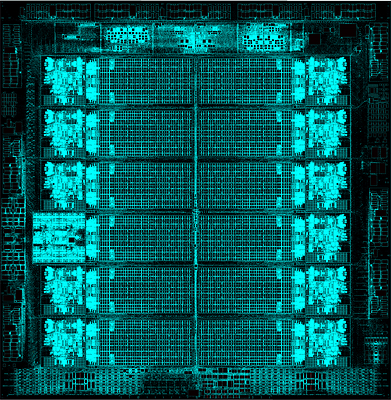
With more than 22 million developers worldwide, the Arm software ecosystem supports a broad and growing range of applications from cloud to edge, including the cloud-native and AI software increasingly shaping modern infrastructure. This new processor will bring that ecosystem to the IBM platforms known globally for transaction processing and data-intensive operations. Arm workloads will benefit from IBM's enterprise-grade capabilities, including enhanced reliability, hardware-level fault detection and recovery, advanced encryption, secure key management, and AI acceleration.
Built on a 2 nanometer technology node, the processor's design will contain 11 high-performance cores operating at more than 5.7 GHz, AI inference accelerators for in-transaction fraud detection, a dedicated on-chip data processing unit for I/O acceleration, and a large cache architecture for demanding enterprise workloads. The chip is architected to not contain separate Arm and IBM cores: each processor core can natively execute Arm and IBM Z, or Arm and LinuxONE, instructions concurrently while prioritizing the platform's established performance, security, encryption, and availability characteristics. IBM Z and LinuxONE platforms are capable of scaling to hundreds of cores and tens of terabytes of memory.
"As organizations modernize their application portfolios and integrate AI into core business operations, they need infrastructure that expands their options," said Christian Jacobi, Chief Technology Officer and IBM Fellow, IBM Systems Development. "This processor represents a significant architectural advancement for IBM Z and LinuxONE. By bringing Arm natively to our platform, we're combining access to one of the industry's fastest-growing software ecosystems with the qualities that have made IBM systems the foundation for how businesses run today."
"As AI scales, more of the computing landscape is converging on Arm," said Mohamed Awad, Executive Vice President, Cloud AI, Arm. "IBM Z and LinuxONE power some of the world's most demanding workloads in highly regulated industries. Bringing Arm compute and its software ecosystem to these platforms will extend that momentum into mission-critical enterprise infrastructure to give organizations greater choice in how they deploy AI."
This milestone represents a major step forward in IBM and Arm's shared vision of expanding application choice and access to the latest in software innovation for enterprise computing without compromising the capabilities these environments demand.
Statements regarding IBM's future direction and intent are subject to change or withdrawal without notice, and represent goals and objectives only.
Additional Sources
About IBM
IBM is a leading provider of global hybrid cloud and AI, and consulting expertise. We help clients in more than 175 countries capitalize on insights from their data, streamline business processes, reduce costs and gain the competitive edge in their industries. Thousands of governments and corporate entities in critical infrastructure areas such as financial services, telecommunications and healthcare rely on IBM's hybrid cloud platform and Red Hat OpenShift to affect their digital transformations quickly, efficiently and securely. IBM's breakthrough innovations in AI, quantum computing, industry-specific cloud solutions and consulting deliver open and flexible options to our clients. All of this is backed by IBM's long-standing commitment to trust, transparency, responsibility, inclusivity and service. Visit www.ibm.com for more information.
Media Contact
Bethany Hill McCarthy
bethany@ibm.com
IBM
 View original content to download multimedia:https://www.prnewswire.com/news-releases/ibm-unveils-next-generation-dual-architecture-processor-for-ibm-z-and-linuxone-302857811.html
SOURCE IBM
FAQ
AI-generated questions and answers. How Rhea-AI works. Not financial advice.