
IDEXX SDMA Now Integrated into the Most Common Catalyst Chemistry Profiles
IDEXX Laboratories (NASDAQ: IDXX) will integrate the IDEXX SDMA Test into Catalyst CLIPs, adding kidney function evaluation to the most common in-clinic chemistry profiles.




Built-in SDMA delivers earlier insights with seamless workflow
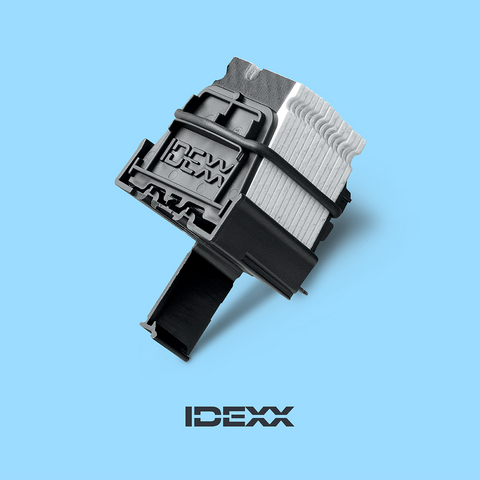
Catalyst SDMA Testing
Supported by peer-reviewed studies using the IDEXX SDMA™ Test, SDMA is recognized by the International Renal Interest Society (IRIS) as a key biomarker for evaluating kidney function in pets.1 Since introducing the IDEXX SDMA™ Test in 2015, IDEXX has performed approximately 119 million SDMA patient tests globally primarily through its reference laboratories and increasingly on the Catalyst platform,2 underscoring the test’s clinical importance and broad adoption in kidney health evaluation. Results are seamlessly integrated into VetConnect™ PLUS, alongside other diagnostic data.
“SDMA is a clear example of how IDEXX innovates by developing clinically relevant diagnostics and then scaling their impact through platforms veterinarians already use every day,” said Mike Erickson, President and CEO of IDEXX. “Earlier insight enables earlier action, improving outcomes for pets, strengthening care experiences, and supporting durable, long-term growth for veterinary practices and IDEXX.”
Chronic kidney disease (CKD) is common in dogs and cats and frequently unrecognized, particularly early in the disease. Clinical evidence continues to show that including SDMA in routine diagnostic testing enables earlier detection of meaningful declines in kidney function that conventional markers alone may miss.3–6 In addition, a study, published in the Journal of the American Veterinary Medical Association, found that cats with early-stage CKD treated with a renal diet experienced slower disease progression and improved survival.7
“Kidney disease is common in both cats and dogs, so early evaluation is important,” said Dr. Christine Kirnos, VMD, The Cat Hospital of Media.* “Making SDMA easier to incorporate into routine in-clinic chemistry testing helps us assess kidney health more consistently and provides meaningful insight during the patient visit.”
For more information, please visit the Catalyst testing web page.
*Dr. Kirnos has received compensation for consulting services she has provided to IDEXX.
References
- IRIS Guidelines. International Renal Interest Society. Accessed May 1, 2026. www.iris-kidney.com/iris-guidelines-1
-
Data on file at IDEXX Reference Laboratories, Inc.
Westbrook, Maine USA: Catalyst SDMA and IDEXX SDMA test results collected July 13, 2015–March 31, 2026. - Hall JA, Yerramilli M, Obare E, Yerramilli M, Almes K, Jewell DE. Serum concentrations of symmetric dimethylarginine and creatinine in dogs with naturally occurring chronic kidney disease. J Vet Intern Med. 2016;30(3):794–802. doi:10.1111/jvim.13942
- Nabity MB, Lees GE, Boggess MM, et al. Symmetric dimethylarginine assay validation, stability, and evaluation as a marker for the early detection of chronic kidney disease in dogs. J Vet Intern Med. 2015;29(4):1036–1044. doi:10.1111/jvim.12835
- Hall JA, Yerramilli M, Obare E, Yerramilli M, Jewell DE. Comparison of serum concentrations of symmetric dimethylarginine and creatinine as kidney function biomarkers in cats with chronic kidney disease. J Vet Intern Med. 2014;28(6):1676–1683. doi:10.1111/jvim.12445
-
Ettinger SJ, Feldman EC, eds. Textbook of Veterinary Internal Medicine. 6th ed.
St. Louis, MO : Elsevier; 2005:1718–1719. - Coyne M, Szlosek D, Webeck J, et al. Use of a veterinary therapeutic renal diet in cats with early chronic kidney disease is associated with slower disease progression and improved survival. JAVMA. 2026;264(5):590–598. doi:10.2460/javma.25.10.0665
About IDEXX
IDEXX is a global leader in pet healthcare innovation. Our diagnostic and software products and services create clarity in the complex, constantly evolving world of veterinary medicine. We support longer, fuller lives for pets by delivering insights and solutions that help the veterinary community around the world make confident decisions—to advance medical care, improve efficiency, and build thriving practices. Our innovations also help ensure the safety of milk and water across the world and maintain the health and well-being of people and livestock. IDEXX Laboratories, Inc. is a member of the S&P 500™ Index. Headquartered in
Note Regarding Forward-Looking Statements
This news release contains or may contain forward-looking statements within the meaning of the Private Securities Litigation Reform Act of 1995. Forward-looking statements can be identified by the use of words such as “expects,” “may,” “anticipates,” “intends,” “would,” “will,” “plans,” “believes,” “estimates,” “should,” “project,” and similar words and expressions. These forward-looking statements are intended to provide our current expectations or forecasts of future events; are based on current estimates, projections, beliefs, and assumptions; and are not guarantees of future performance. Actual events or results may differ materially from those described in the forward-looking statements. These statements are subject to risks, uncertainties, assumptions, and other important factors. Readers are cautioned not to put undue reliance on such forward-looking statements because actual results may vary materially from those expressed or implied. The reports filed by IDEXX pursuant to
View source version on businesswire.com: https://www.businesswire.com/news/home/20260519642899/en/
Media Relations
media@idexx.com
Investor Relations
investorrelations@idexx.com
Source: IDEXX Laboratories, Inc.