
Jaguar Mining Inc. Commences Drilling at High-Potential Chame Target - Advancing Five-Year Exploration Plan
Jaguar Mining (OTC:JAGGF) commenced drilling at the Chamé target on November 21, 2025, as part of its five-year Exploration Plan at the Paciência complex in Brazil's Iron Quadrangle.
Sentiment and the balance of points
Rhea-AI Sentiment reads the wording of the document, how positive or negative its language is on a 1 to 5 scale. The balance of points shown with the takes weighs what the document actually discloses, so the two can disagree, for example when a trial that missed its main goal is described in upbeat language.
Rhea-AI Summary
Jaguar Mining (OTC:JAGGF) commenced drilling at the Chamé target on November 21, 2025, as part of its five-year Exploration Plan at the Paciência complex in Brazil's Iron Quadrangle.
The first phase comprises 12 drill holes totaling 3,040 metres aimed at testing a near-surface, open-pittable target adjacent to existing processing infrastructure. Historic trenching highlights include 54.47m @ 0.90 g/t Au (including 32.22m @ 1.29 g/t and 4.43m @ 7.1 g/t) and 24.78m @ 0.41 g/t Au. Samples will be analyzed at SGS-Geosol Brazil; drilling uses HQ/NQ diameters with established QA/QC protocols.
Positive
- Drilling started Nov 21, 2025 with 12 holes totaling 3,040 m
- Trench TR02 assays: 54.47 m @ 0.90 g/t Au including higher-grade intervals
- Samples sent to SGS-Geosol Brazil lab under rigorous QA/QC
Negative
- Reported mineralization described as a broad, continuous low-grade envelope
- Program is early-stage with limited drill coverage: 3,040 m first phase
Details
News Market Reaction – JAGGF
On Dec 1, the day this news came out, JAGGF closed 1.28% above the previous close.
Data tracked by StockTitan Argus for the Dec 1 session.
Key Figures
- Chamé drill phase
- 12 drill holes, 3,040 meters
- First phase at Chamé target starting November 21, 2025
- TR02 key intercept
- 54.47m @ 0.90 g/t Au
- Trench TR02 interval at Chamé
- High-grade sub-interval
- 4.43m @ 7.1 g/t Au
- Within TR02 mineralized envelope at Chamé
- Second trench interval
- 24.78m @ 0.41 g/t Au
- Additional TR02 intercept at Chamé
- True thickness estimate
- 75–100 metres
- Estimated thickness of potential mineralized zone at TR02
- São Vicente lineament length
- 60 kilometres
- Extent of major mineralized crustal shear zone
- Archean rock ages
- 2.9–2.7 billion years
- Age range of metavolcano-sedimentary to metasedimentary rocks
- Jaguar land position
- 46,000 hectares
- Gold land position in Brazil’s Iron Quadrangle
Historical Context
-
Commenced 12-hole, 3,040 m drilling at Chamé near Paciência complex.
-
Reported solid Q3 2025 results with higher gold prices and cash flow.
-
Announced 5,000 m directional drilling at Pilar targeting ~520,000 oz endowment.
-
Partial lifting of Satinoco pile interdiction, enabling key restart preparations.
-
Closed C$28.0M bought-deal placement to fund Turmalina restart and exploration.
24h Move is the share-price change in the day after each event; other market factors may also have contributed.
Key Terms
saprolite technical
orogenic gold deposits technical
frequency domain electromagnetic technical
total magnetic intensity technical
national instrument 43-101 regulatory
certified reference materials technical
gnss technical
qa/qc technical
AI-generated analysis. How Rhea-AI works. Not financial advice.




TORONTO, ON / ACCESS Newswire / December 1, 2025 / Jaguar Mining Inc. ("Jaguar" or the "Company") (TSX:JAG) today is pleased to announce the commencement of drilling activities at the Chamé target, located three kilometres southeast of the Santa Isabel mine within the Company's Paciência complex in Brazil's prolific Iron Quadrangle. Drilling began on November 21, 2025, with the first phase comprising 12 drill holes totaling 3,040 meters. The program is designed to evaluate the potential for a near-surface, open-pittable operation and is part of the Company's five-year Exploration Plan (see Jaguar Mining press release dated September 8, 2025).
"Our corporate growth strategy clearly outlines that significant growth is expected to come from green field exploration on ground currently held by Jaguar," commented Luis Albano Tondo, Jaguar Mining Chief Executive Officer. "Chamé was chosen as the highest priority target due to its proximity to an existing processing facility, its near-surface mineralization and the extensive information that can be gathered from the historic (1700s) workings which left several shallow pits and trenches where early artisanal miners successfully accessed mineralization. We are excited about the potential at Chamé and look forward to issuing drilling results as we progress through this phase of our plan."
"The start of drilling at Chamé represents an important step in advancing our technical program," commented Armando Massucatto, Jaguar Mining Exploration Manager. "Geological work to date shows strong potential for a large-scale open-pit target. Regionally, the geochemical and structural signature at Chamé is being replicated along the São Vicente lineament in several newly identified targets."
A KEY MILESTONE IN JAGUAR'S EXPLORATION PROGRAM
The Chamé drill program follows up on initial encouraging results (see Jaguar Mining press release dated September 9, 2025) and builds on strong trenching results from Trench TR02, which returned:
CMCH05: 54.47m @ 0.90 g/t Au, including 32.22m @ 1.29 g/t Au, and 4.43m @ 7.1 g/t Au
CMCH06: 24.78m @ 0.41 g/t Au, including 11.39m @ 0.50 g/t Au, and 12.94m @ 0.52 g/t Au
These results support the presence of a broad, continuous low-grade mineralized envelope. The continuity and width of these intercepts point to a robust mineralized system that could support large-scale development. This drilling campaign is a key step toward confirming the size and consistency of this low-grade envelope, which represents a strong foundation for future resource growth.
All drill holes in this first phase are being drilled with HQ diameter in saprolite and in NQ diameter in fresh rocks, using drill rigs that minimize environmental impact while providing sufficient material for the chemical assays. All samples will be analyzed in the SGS laboratory, an internationally certified laboratory.
Figure 1: Location of trench TR02 and the planned collar position for drill hole FCM001.
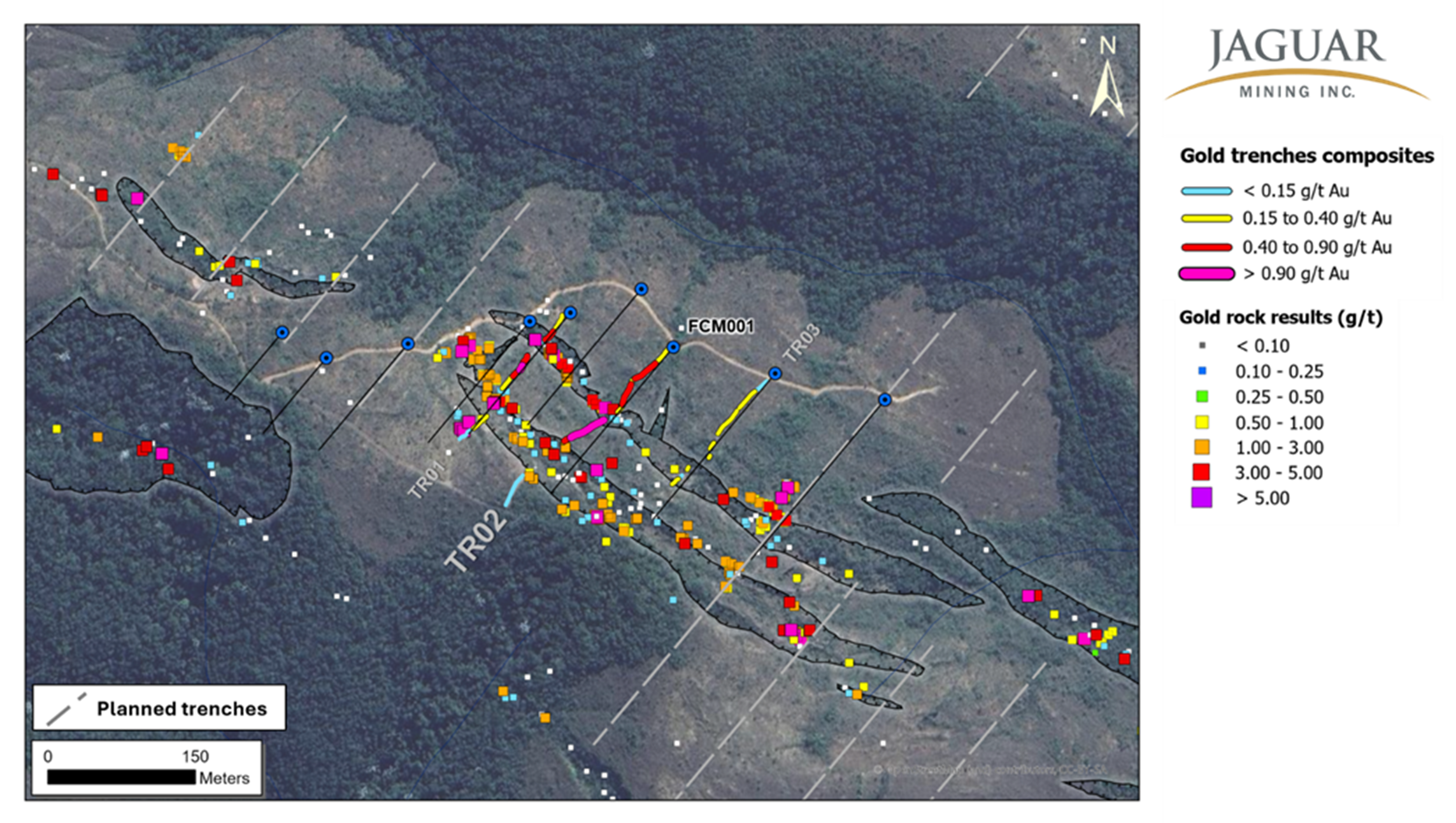
Figure 2: Geological section at trenchTR02 (looking north), showing channels and chip samples on the surface. The estimated true thickness of the potential mineralized zone ranges from approximately 75 to 100 metres.
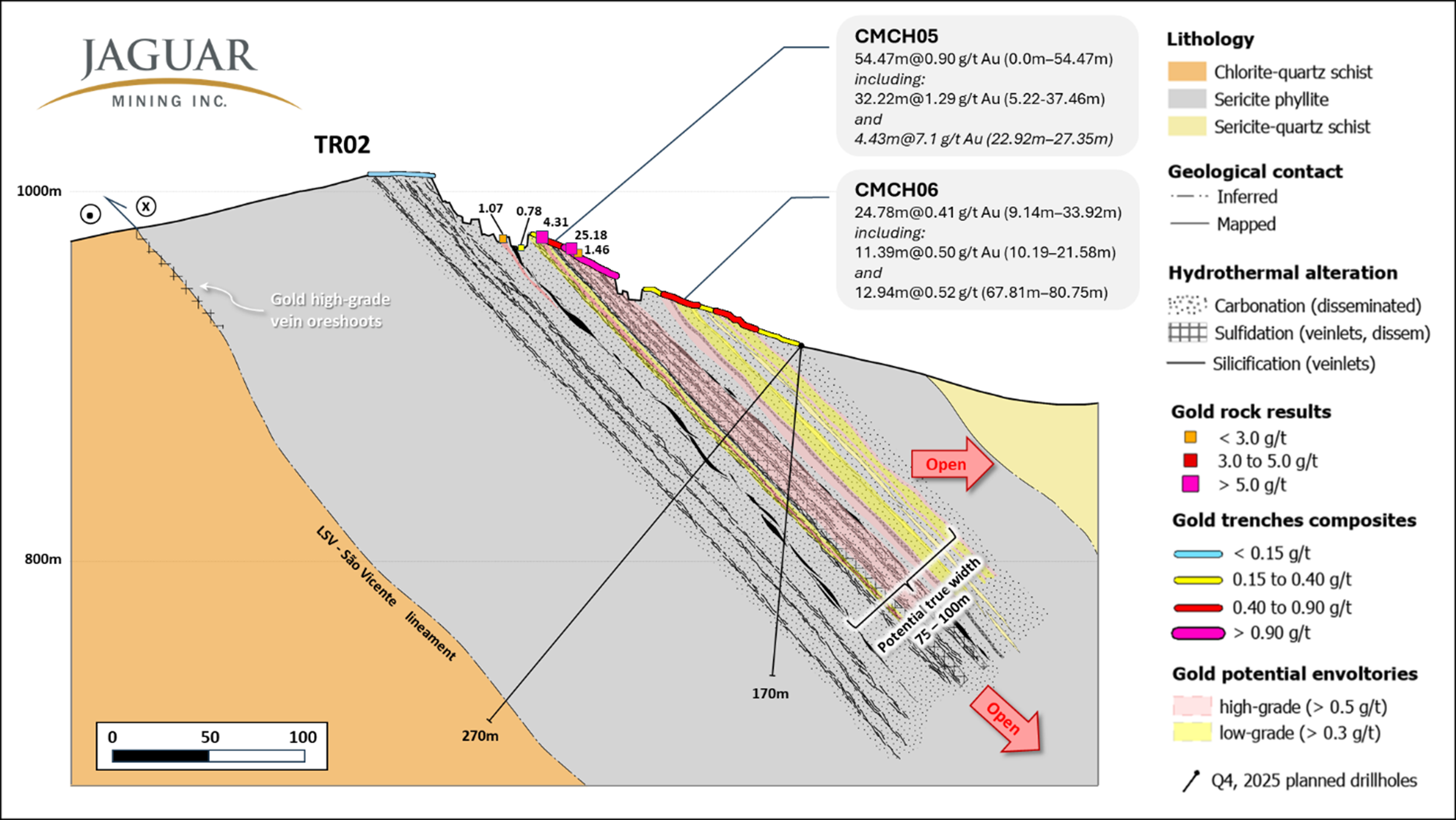
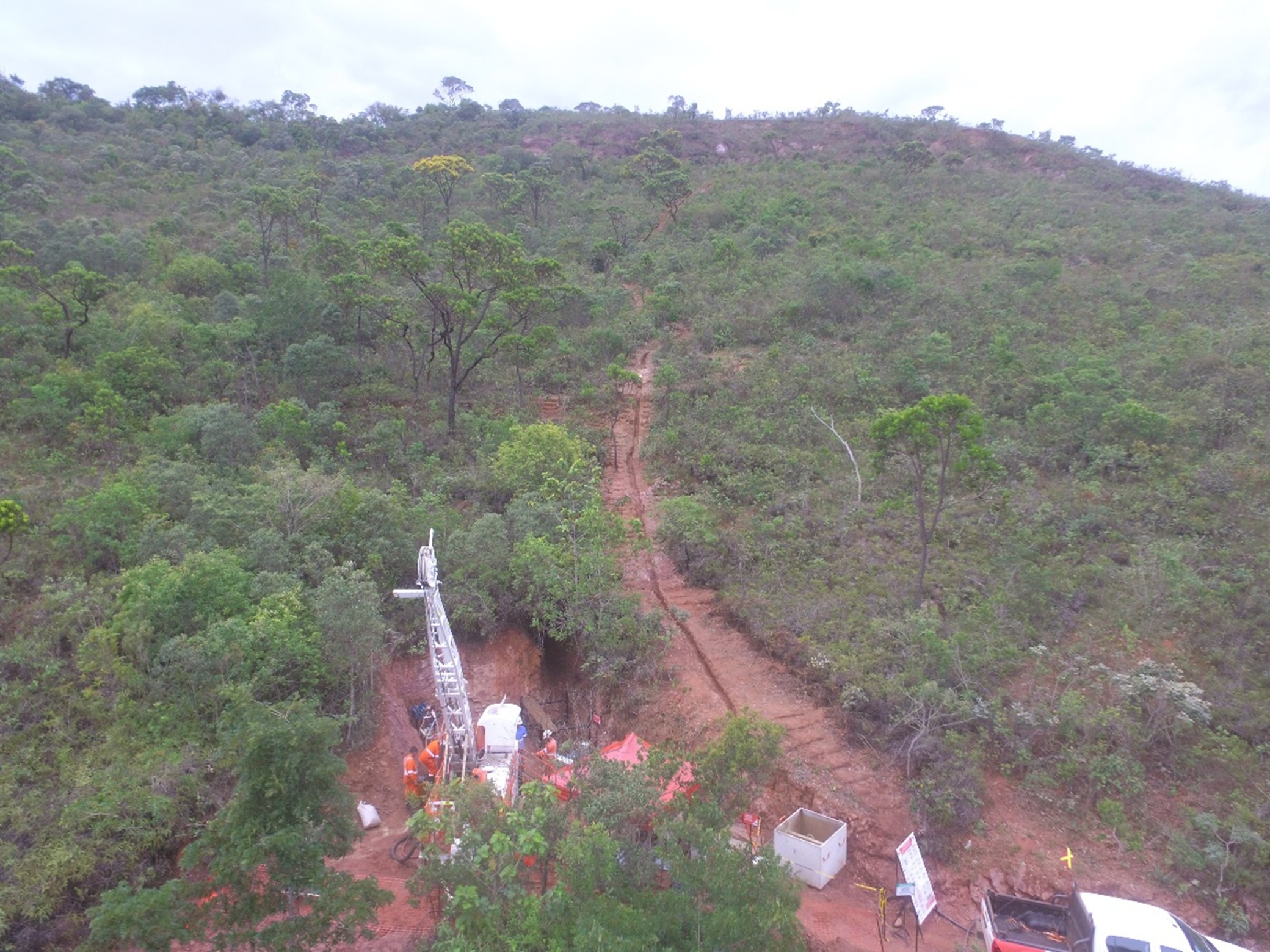
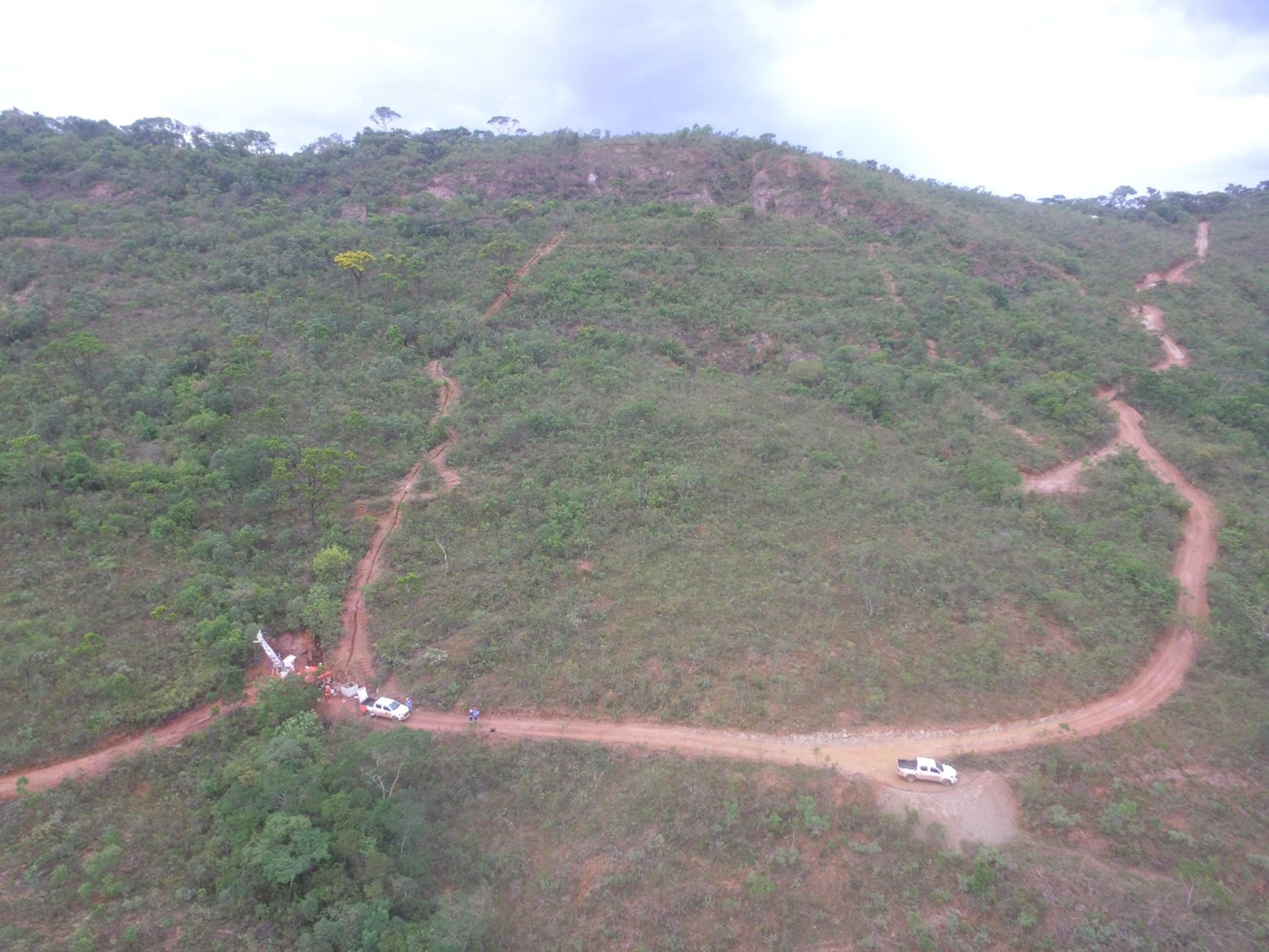
Figure 3: Drill rig operating at the FCM001 collar location.
CHAMÉ: OPENING A NEW EXPLORATION FRONTIER AT PACIÊNCIA
The Chamé target is located within the São Vicente lineament, which is an important mineralized crustal shear zone, characterized by a curvilinear geometry that stretches for approximately 60 kilometres across the Iron Quadrangle, following a northwest-southeast structural orientation. This lineament contains several orogenic gold deposits and exploration prospects, including Santa Isabel mine, Marzagão mine, Bahú, Engenho d'Água, Bicalho, Bela Fama, and Morro Velho, among others.
The São Vicente lineament plays a key role in the geological development of the Iron Quadrangle, serving as the main structural feature defining the central area of the Rio das Velhas greenstone belt. This shear zone marks the boundary of a sequence of Archaean metavolcano-sedimentary to metasedimentary rocks (approximately 2.9 - 2.7 billion years old), acting as a regional discontinuity that hosts structurally controlled gold deposits. The lineament has undergone several reactivation events, which have contributed to the remobilization and concentration of gold during the Palaeoproterozoic (around 2.1 billion years ago) and Neoproterozoic (around 0.6 billion years ago) periods.
The sinistral and transpressional nature of the shear zone along the Paciência trend, which extends for roughly 15 kilometres from the Chamé-Cedro to the Bahú-Quati trends (inside of Jaguar's mineral rights) has generated a series of subparallel shear zones with dilational and/or extensional characteristics. These zones are filled with quartz-carbonate-sulphide veins and veinlets, which define silicified areas linked to high-grade gold mineralization, interpreted as proximal hydrothermal alteration. In contrast, distal alteration is characterized by sericitization, disseminated carbonation, and disseminated sulphidation, typically associated with lower-grade gold mineralization.
The Frequency Domain Electromagnetic airborne geophysical survey (FDEM) highlights shallow, low-angle structures with high conductivity responses (33,000 Hz, coplanar and in-phase configuration). The results show subparallel trends that coincide with gold anomalies found in rock samples at the Chamé target (Figure 3). This survey was conducted in 1992, prior to the development of the Santa Isabel mine, which later revealed coincident anomalies associated with mined gold ore bodies. Field verification of these subparallel trends confirmed their association with hydrothermal alteration, characterised by quartz-sulphide-carbonate assemblages in phyllites and sericitic quartz schists.
These findings are supported by fieldwork, such as trench TR04, where results showed 0.54 g/t gold over 41.26 m (partial results), indicating that structures identified in the FDEM survey (Figures 5 and 6) are mineralized. Figure 5 shows the unexplored area without any excavation features.
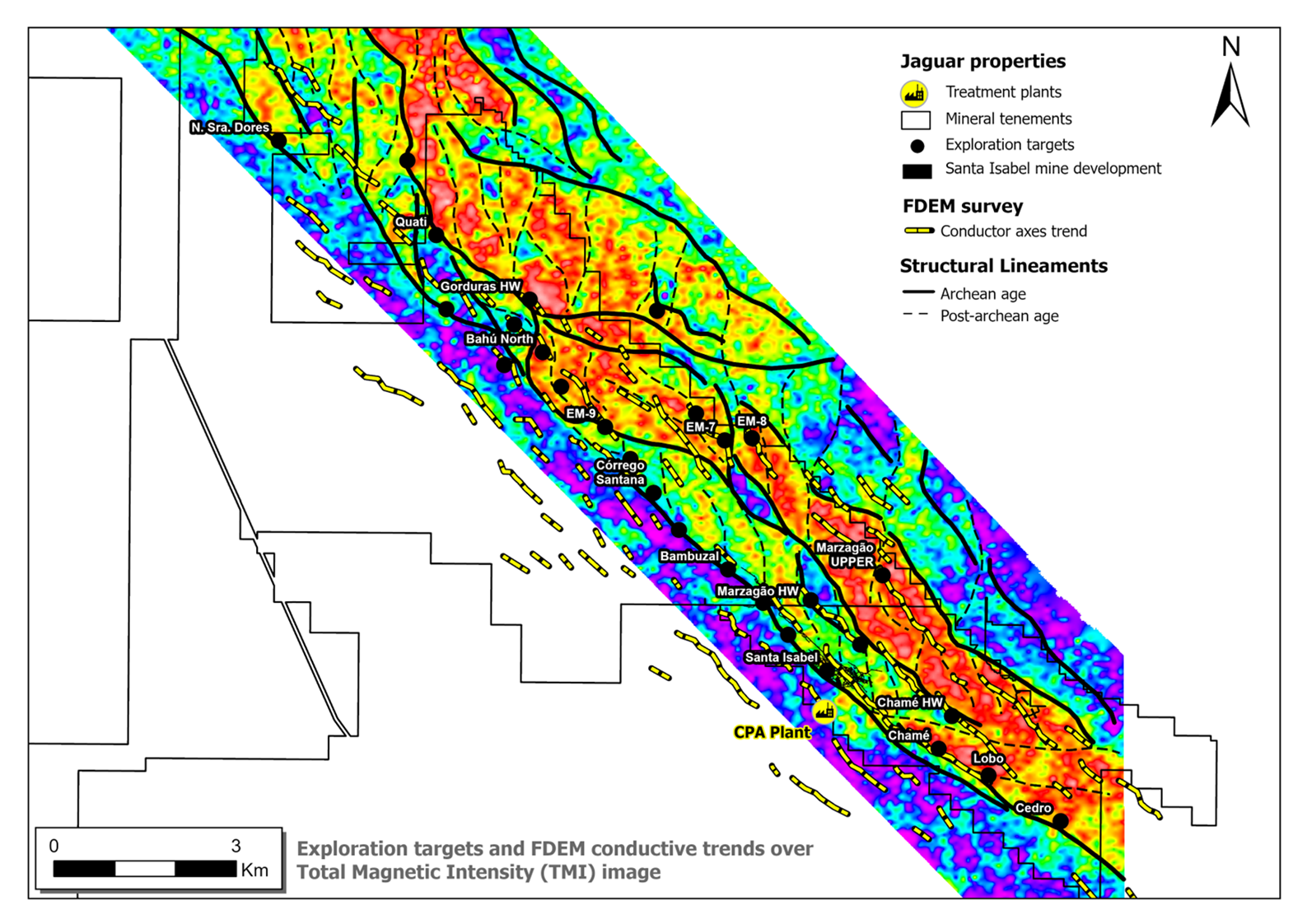
The Total Magnetic Intensity image (Figure 7) shows the interpretation of Archaean lineaments (thick lines) corresponding to major geological contacts and first-order shear zones, which define the boundaries of the hotter-colored regions representing distinct geological packages. Dashed lines indicate post-Archaean lineaments, which occasionally offset the FDEM lineaments (presumed to be Archaean). This interpretation is supported by the location of exploration targets aligned with the Archaean lineaments, each associated with gold occurrences identified through soil or rock chip sampling.
Figure 4: FDEM aerial survey (1992) outlining shallow, low-angle conductive structures at the Chamé target, coincident with gold anomalies and confirmed hydrothermal alteration zones.
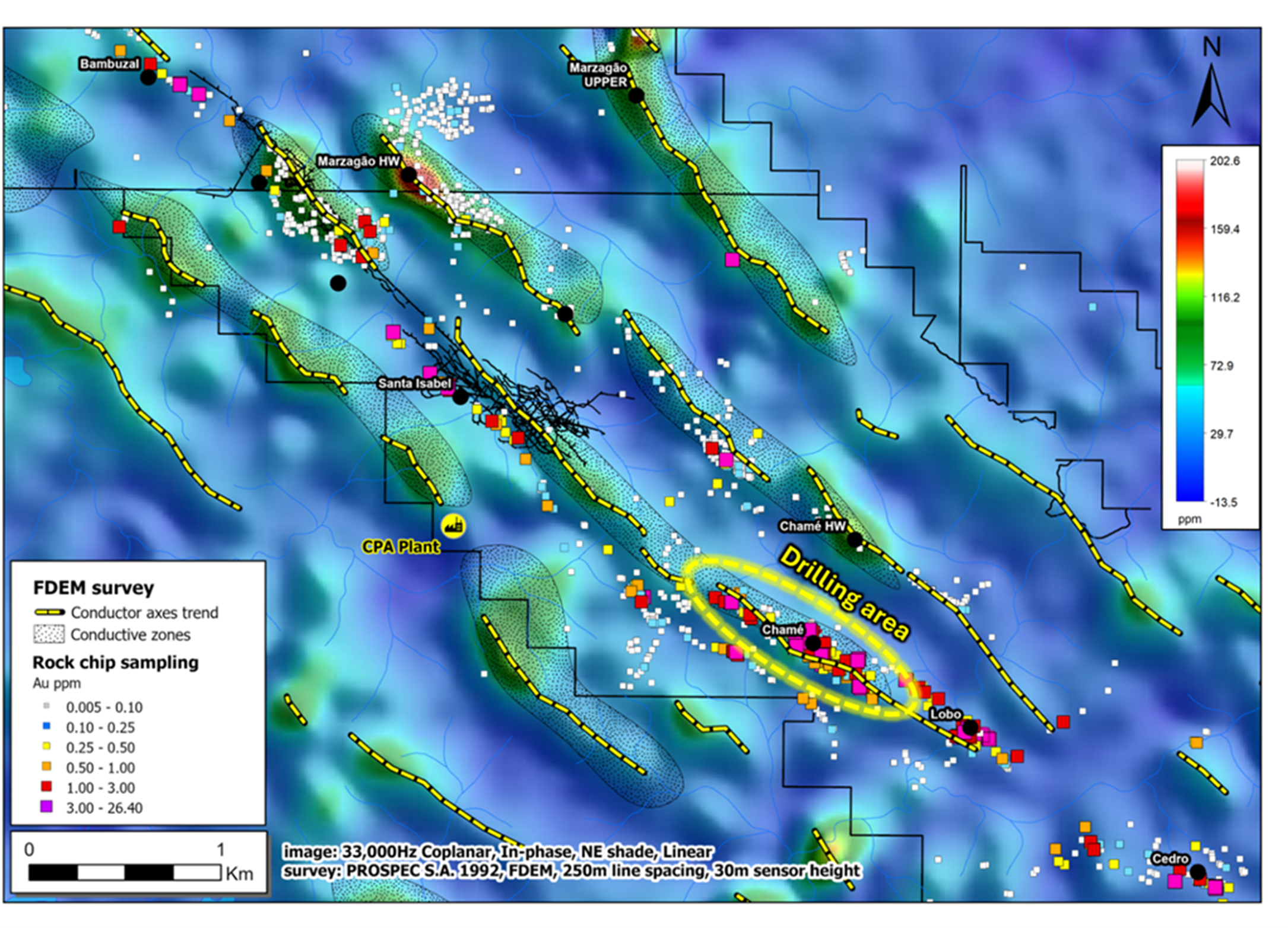
Figure 5: Overview of the trenching program in the hangwall area, displaying trenches TR01, TR02, TR03, and TR04. This zone coincides with FDEM conductive anomalies that are spatially subparallel to the first recognized Chamé low-grade trend.
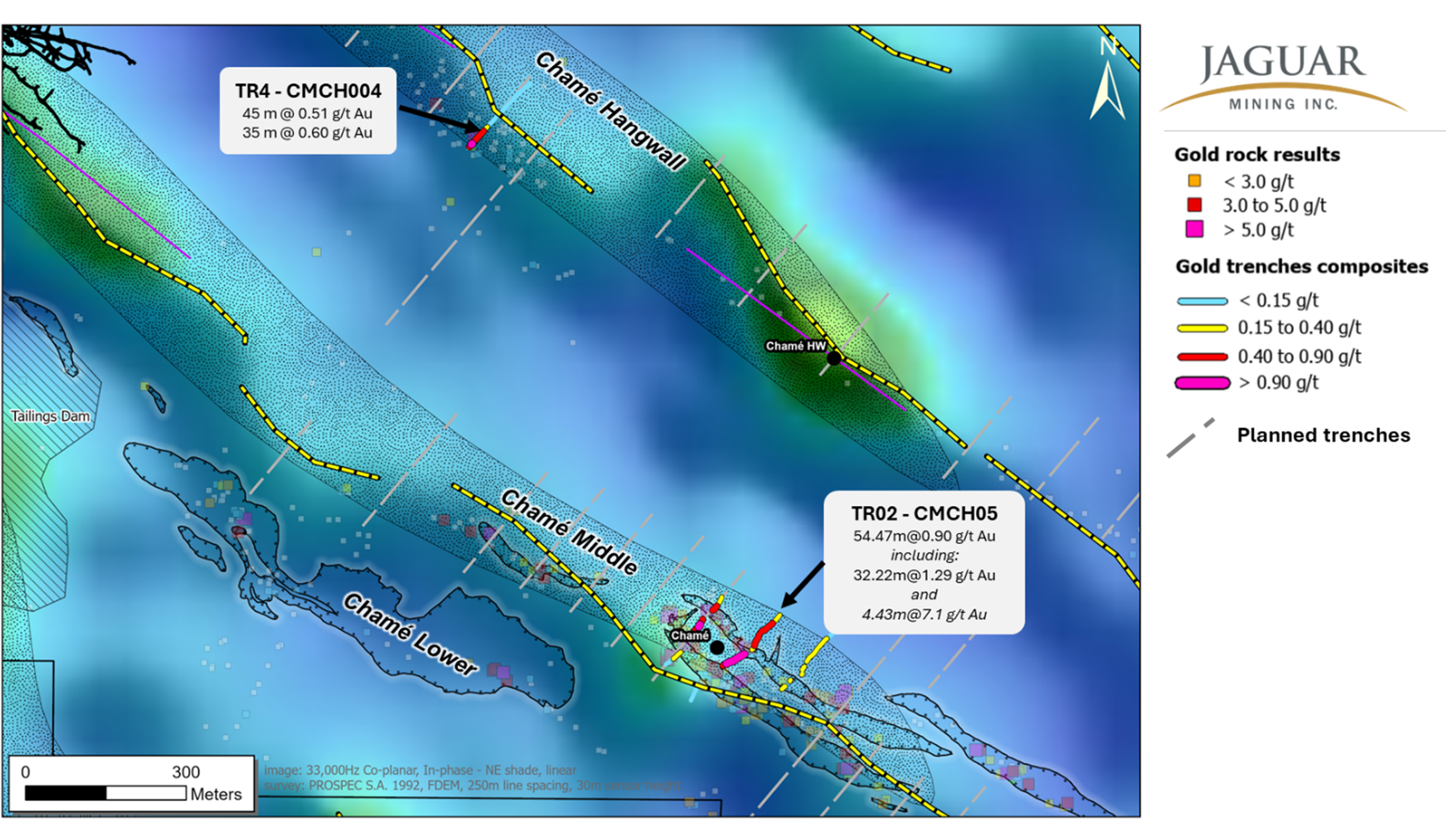
Figure 6: Detailed view of trench TR04, illustrating channel sampling locations and lithological features observed on the exposed surface.
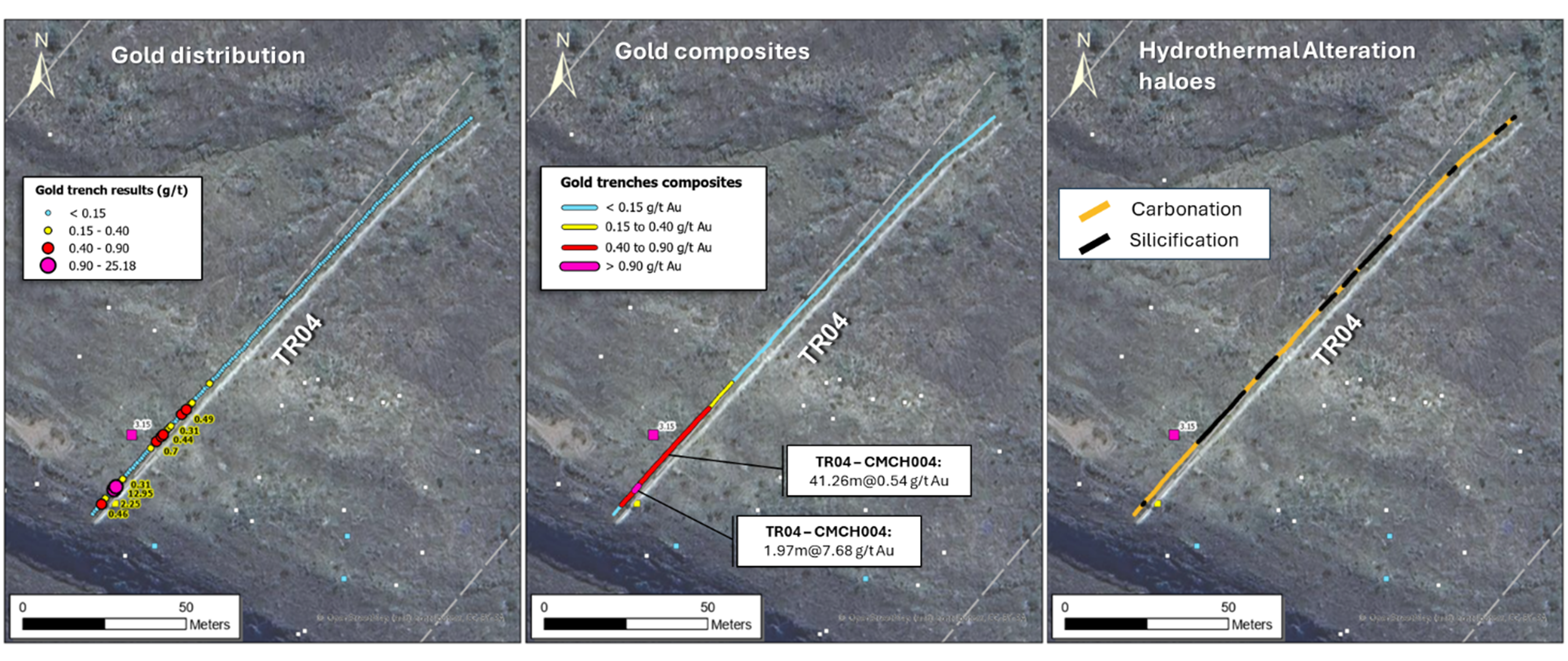
Figure 7: Total Magnetic Intensity image showing major Archean lineaments that define geological packages, post-Archean structures (dashed lines), and exploration targets aligned with gold anomalies from soil and rock-chip sampling.
Qualified Person
Scientific and technical information contained in this press release has been reviewed and approved by Armando José Massucatto, PhD, FAusIMM, Exploration Manager, who is also an employee of Jaguar Mining Inc. and is a "qualified person" as defined by National Instrument 43-101 - Standards of Disclosure for Mineral Projects ("NI 43-101").
Quality Control
Jaguar maintains a rigorous quality-control program that includes the systematic insertion of blanks and Certified Reference Materials (CRMs) to ensure best practices in sampling and analysis. Drill core of HQ, NQ, and BQ sizes is cut in half using a diamond saw. Samples are collected at standard intervals based on geological characteristics such as lithology and hydrothermal alteration. All diamond drill hole collars are precisely surveyed using GNSS with RTK correction for surface locations and total station equipment for underground setups. Downhole deviations are measured with non-magnetic instruments (SPT - Stockholm Precision Tools, GyroMaster™ Solid State North Seeker). Structural measurements are recorded using the Vektore v-STAR® method and compiled with OreNode software. Mean grades are calculated using a variable lower cut-off (generally 0.5 g/t Au). No upper gold grade cut-off has been applied. Half of each sawn core sample is sent to the analytical laboratory, while the remaining half is securely stored. Samples from auger holes, trenches, and drill cores are transported in sealed bags to the independent SGS-Geosol Brazil laboratory in Vespasiano, Minas Gerais, for preparation and analysis. SGS is an internationally certified laboratory, ensuring compliance with global QA/QC standards.
The Iron Quadrangle
The Iron Quadrangle has been an area of mineral exploration dating back to the 16th century. The discovery in 1699-1701 of gold coincident with iron and platinum-group metals in the southeastern corner of the Iron Quadrangle gave rise to the name of the town Ouro Preto (Black Gold). The Iron Quadrangle contains world-class multi-million-ounce gold deposits such as Morro Velho, Cuiabá, and São Bento. Jaguar holds the second largest gold land position in the Iron Quadrangle with over 46,000 hectares.
About Jaguar Mining Inc.
Jaguar Mining Inc. is a Canadian-listed junior gold mining, development, and exploration company operating in Brazil with three gold mining complexes and a large land package with significant upside exploration potential from mineral claims. The Company's principal operating assets are located in the Iron Quadrangle, a prolific greenstone belt in the state of Minas Gerais and include the MTL complex (Turmalina mine and plant) and Caeté complex (Pilar and Roça Grande mines, and Caeté plant). The Roça Grande mine has been on temporary care and maintenance since April 2019. The Company also owns the Paciência complex (Santa Isabel mine and plant), which had been on care and maintenance since 2012 and is under review to restart in 2026. Additional information is available on the Company's website at www.jaguarmining.com.
For further information please contact:
Luis Albano Tondo
Chief Executive Officer
Jaguar Mining Inc.
luis.albano@jaguarmining.com
+55 31-99959-6337
Marina de Freitas
Interim Chief Financial Officer
marina.freitas@jaguarmining.com.br
+55 31-98463-5344
Forward-Looking Statements
Certain statements in this news release constitute "forward-looking information" within the meaning of applicable Canadian securities legislation. Forward-looking statements and information are provided for the purpose of providing information about management's expectations and plans relating to the future. All of the forward-looking information made in this news release is qualified by the cautionary statements below and those made in our other filings with the securities regulators in Canada. Forward-looking information contained in forward-looking statements can be identified by the use of words such as "are expected," "is forecast," "is targeted," "approximately," "plans," "anticipates," "projects," "anticipates," "continue," "estimate," "believe" or variations of such words and phrases or statements that certain actions, events or results "may," "could," "would," "might," or "will" be taken, occur or be achieved. All statements, other than statements of historical fact, may be considered to be or include forward-looking information. This news release contains forward-looking information regarding, among other things, the nature, focus, timing and potential results or implications of the Company's exploration, drilling and prospecting activities, including the Company's diamond drilling at its Pilar mine, as described in this news release, as well as any other future exploration activities of the Company, management's expectations regarding the exploration potential of the Pilar Mine and future gold grades and production at the Pilar mine, including expectations and forecasts relating to production at the BA zone, any information and statements related to expected growth (including, without limitation, the potential for growth in regards to the Pilar mine's mineral resource base), sales, production statistics, ore grades, tonnes milled, recovery rates, cash operating costs, definition/delineation drilling, the timing and amount of estimated future production, costs of production, capital expenditures, costs and timing of the development of projects and new deposits, success of exploration, development and mining activities, currency fluctuations, capital requirements, project studies, mine life extensions, restarting suspended or disrupted operations, continuous improvement initiatives, and resolution of pending litigation. The Company has made numerous assumptions with respect to forward-looking information contained herein, including, among other things, assumptions about the estimated timeline for the development of the Company's mineral properties; the supply and demand for, and the level and volatility of the price of, gold; the accuracy of reserve and resource estimates and the assumptions on which the reserve and resource estimates are based; the receipt of necessary permits; market competition; ongoing relations with employees and impacted communities; political and legal developments in any jurisdiction in which the Company operates being consistent with its current expectations including, without limitation, the impact of any potential power rationing, tailings facility regulation, exploration and mine operating licenses and permits being obtained and renewed and/or there being adverse amendments to mining or other laws in Brazil and any changes to general business and economic conditions. Forward-looking information involves a number of known and unknown risks and uncertainties, including among others: the risk of Jaguar not meeting the forecast plans regarding its operations and financial performance; uncertainties with respect to the price of gold, labour disruptions, mechanical failures, increase in costs, environmental compliance and change in environmental legislation and regulation, weather delays and increased costs or production delays due to natural disasters, power disruptions, procurement and delivery of parts and supplies to the operations; uncertainties inherent to capital markets in general (including the sometimes volatile valuation of securities and an uncertain ability to raise new capital) and other risks inherent to the gold exploration, development and production industry, which, if incorrect, may cause actual results to differ materially from those anticipated by the Company and described herein. In addition, there are risks and hazards associated with the business of gold exploration, development, mining and production, including environmental hazards, tailings dam failures, industrial accidents and workplace safety problems, unusual or unexpected geological formations, pressures, cave-ins, flooding, chemical spills, procurement fraud and gold bullion thefts and losses (and the risk of inadequate insurance, or the inability to obtain insurance, to cover these risks). Accordingly, readers should not place undue reliance on forward-looking information.
For additional information with respect to these and other factors and assumptions underlying the forward-looking information made in this news release, see the Company's most recent Annual Information Form and Management's Discussion and Analysis, as well as other public disclosure documents that can be accessed under the issuer profile of "Jaguar Mining Inc." on SEDAR+ at www.sedarplus.com. The forward-looking information set forth herein reflects the Company's reasonable expectations as at the date of this news release and is subject to change after such date. The Company disclaims any intention or obligation to update or revise any forward-looking information, whether as a result of new information, future events or otherwise, other than as required by law. The forward-looking information contained in this news release is expressly qualified by this cautionary statement.
SOURCE: Jaguar Mining Inc.
View the original press release on ACCESS Newswire
FAQ
AI-generated questions and answers. How Rhea-AI works. Not financial advice.