
PG&E Powers Ahead on Breakthrough Grid Innovation with Dynamic Line Rating, Asset Health Monitoring Demonstration
Sentiment and the balance of points
Rhea-AI Sentiment reads the wording of the document, how positive or negative its language is on a 1 to 5 scale. The balance of points shown with the takes weighs what the document actually discloses, so the two can disagree, for example when a trial that missed its main goal is described in upbeat language.
Rhea-AI Summary
PG&E (NYSE:PCG) launched a field demonstration of Dynamic Line Rating (DLR) and Asset Health Monitoring (AHM) on Dec. 11, 2025 to test sensors, real‑time analytics, and vendor platforms that aim to boost transmission capacity, reduce congestion, and improve reliability during extreme weather.
Installations and vendor dashboards are live across multiple substations and corridors, and an 18‑month independent evaluation by EPRI will measure performance. The project is funded under California's EPIC public purpose R&D program.
Positive
- 18‑month independent field evaluation by EPRI
- Vendor dashboards live; hardware installations completed across multiple substations and corridors
- DLR and AHM aim to increase line utilization and reduce congestion without building new lines
Negative
- Project is a field demonstration; benefits not yet validated at commercial scale
- No quantified cost savings, revenue impact, or deployment timeline disclosed
Details
News Market Reaction – PCG
On Dec 11, the day this news came out, PCG closed 1.66% below the previous close.
Data tracked by StockTitan Argus for the Dec 11 session.
Key Figures
- Field demonstration length
- 18 months
- Independent DLR and AHM evaluation by EPRI
- Lines monitored
- 80 miles
- Prisma Photonics monitoring from two PG&E substations
- Utility collaborators
- 450 companies
- EPRI collaborations across the energy sector
- Countries
- 45 countries
- Global reach of EPRI collaborations
Historical Context
-
Update on 1,000 miles undergrounding and CPUC guideline concerns.
-
Seasonal guidance and programs to help reduce winter energy bills.
-
Utility Scam Awareness Day outreach citing 21,000 reports and losses.
-
New Chief Commercial Officer to drive large‑customer strategy and load growth.
-
Free gas safety checks and pilot re‑lights ahead of winter season.
24h Move is the share-price change in the day after each event; other market factors may also have contributed.
Key Terms
dynamic line rating technical
asset health monitoring technical
grid modernization technical
grid enhancing technologies technical
advanced power flow control technical
optical fiber infrastructure technical
transmission system technical
public safety power shutoffs technical
AI-generated analysis. How Rhea-AI works. Not financial advice.




Technology demonstration aims to boost reliability, unlock capacity, and prepare
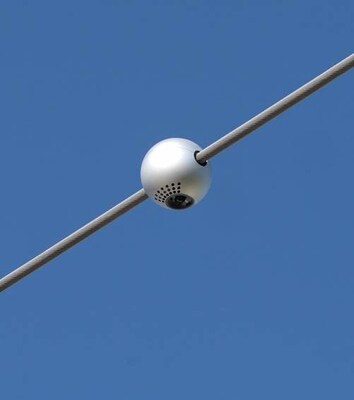
PG&E and project partners recently completed hardware field installations and vendor dashboard setups, achieving trial deployment status across all technologies.
This milestone reflects PG&E's broader strategy to expand and upgrade substation and transmission line capacity, reduce congestion, and ensure reliable service during extreme weather events such as heat waves and high winds.
DLR technology helps utilities determine how much electricity powerlines can safely carry by using real-time weather data like temperature and wind. Instead of relying on fixed limits, it adjusts the rating as conditions change, so utilities can send more power through existing lines without building new ones.
By testing and validating DLR and AHM solutions, PG&E aims to create new pathways for grid modernization, unlock hidden capacity, improve reliability, and integrate more renewable energy, while saving customers money in the process by optimizing its existing assets and avoiding costlier traditional infrastructure upgrades.
"This project is a critical step in modernizing
PG&E is collaborating with EPRI, which serves as the project's technical advisor, to perform an independent evaluation of the DLR and AHM technologies over an 18-month field demonstration.
Technology Partners
PG&E is working with the following organizations through this project:
- Heimdall Power - Named one of TIME Magazine's Best Inventions of 2025, Heimdall Power's dynamic line rating solution functions like a smartwatch for the power grid. Its advanced sensors, called Neurons, deliver real-time insights into transmission system health and performance by measuring things like powerline temperature, sag, current, and micro-climate weather conditions. PG&E is leveraging the Neurons' real-time data, combined with predictive analytics in Heimdall Power's cloud-based platform, to evaluate the capability for safely increasing line utilization and reducing grid congestion—all without costly infrastructure expansion.
- Prisma Photonics - Prisma Photonics is deploying its PrismaPower beacon system devices at two PG&E substations, one in
Humboldt County and one inSan Luis Obispo , to monitor 80 miles of transmission lines—all without installing any equipment on the powerlines. PG&E is evaluating the company's DLR and AHM applications: PrismaCapacity, PrismaClimate, and PrismaCircuit. These tools provide continuous monitoring of line capacity, environmental conditions, and circuit health, offering a holistic view of grid performance. Prisma Photonics' technology aims to transform PG&E's existing optical fiber infrastructure into a comprehensive sensing system, enabling wide-area monitoring across challenging terrain without costly sensor installations on towers or conductors. This innovative approach aims to addressCalifornia's grid challenges from data center demand, extreme weather, and aging infrastructure, delivering actionable insights on powerline ratings and asset health with precise location data that could help utilities maximize efficiency while maintaining safety and reliability. - Sentrisense - Sentrisense provides real-time monitoring for overhead power lines, combining DLR and AHM in a fully autonomous field device, the SENTRI sensor. The SENTRI attaches directly to electric transmission and distribution powerlines, delivering continuous data on temperature, sag, vibration, and conductor fatigue. By tracking these parameters in real operating conditions, Sentrisense helps utilities detect early signs of degradation, improve grid reliability, and operate lines closer to their true capacity. PG&E is evaluating the technology as a potentially cost-efficient way to extend the lifespan of critical assets and support data-driven maintenance across the grid.
- Smart Wires - Smart Wires' grid enhancing technologies (GETs) help utilities gain more capacity, flexibility and visibility from the transmission system they already have. SmartWires portfolio includes SmartValve, an Advanced Power Flow Control (APFC) solution, and SUMO, a Dynamic Line Rating software platform that uses real-time and forecasted weather data to show how much power each line can safely carry throughout the day. SUMO's insights can improve situational awareness, support decisions around loading and congestion, and reduce the need for major grid expansions. As part of this project, PG&E is evaluating how SUMO works alongside DLR and asset-health monitoring tools to strengthen overall system performance and resilience.
Technical Project Collaborator
- EPRI – Founded in 1972, the Electric Power Research Institute (EPRI) is the world's preeminent independent, non-profit energy research and development organization, with offices around the world. EPRI's trusted experts collaborate with more than 450 companies in 45 countries, driving innovation to ensure the public has clean, safe, reliable, and affordable access to electricity across the globe. Within this demonstration project, EPRI serves as an objective technical advisor, performing an independent evaluation of the DLR and AHM technologies and gathering data and observations over the 18-month field demonstration to inform future best practices to benefit the broader electric industry.
Looking Ahead
PG&E's DLR and AHM technology demonstration project underscores the company's commitment to innovation and collaboration with emerging technology providers.
With vendor dashboards now live and installations completed across multiple substations and transmission corridors, PG&E is testing these tools' ability to reduce congestion, enhance reliability, and prepare the grid for the challenges of extreme weather and the growing demand for renewable energy.
This project is funded through PG&E's electric R&D budget under the public purpose program Electric Program Investment Charge (EPIC).
EPIC enables California investor-owned utilities to demonstrate new technologies and evaluate how they support safety, reliability, and affordability, environmental sustainability and equity objectives for the benefit of all
For more information about PG&E's R&D and innovation efforts, visit www.pge.com/innovation
About PG&E
Pacific Gas and Electric Company, a subsidiary of PG&E Corporation (NYSE: PCG), is a combined natural gas and electric utility serving more than sixteen million people across 70,000 square miles in Northern and

 View original content to download multimedia:https://www.prnewswire.com/news-releases/pge-powers-ahead-on-breakthrough-grid-innovation-with-dynamic-line-rating-asset-health-monitoring-demonstration-302639621.html
SOURCE Pacific Gas and Electric Company
FAQ
AI-generated questions and answers. How Rhea-AI works. Not financial advice.