
XTEND Selected as Gauntlet II Top Performer in $1 Billion U.S. Drone Dominance Program
XTEND (XTND) was selected as a top performer in the Close Quarters Battle segment of Gauntlet II within the U.S. Department of War’s iterative $1 billion Drone Dominance Program (DDP), following delivery and demonstration of 120 STRIKER systems.
Rhea-AI Summary
XTEND (XTND) was selected as a top performer in the Close Quarters Battle segment of Gauntlet II within the U.S. Department of War’s iterative $1 billion Drone Dominance Program (DDP), following delivery and demonstration of 120 STRIKER systems.
The systems were tested in operationally realistic scenarios and evaluated by U.S. warfighters, which the company describes as a major validation of STRIKER’s capabilities. STRIKER is powered by XTEND’s proprietary XOS operating system and is designed for tactical missions in confined, complex and GNSS-denied environments. The DDP aims to build a resilient, U.S.-based supply chain for low-cost, capable one-way attack drone systems, with Naval Surface Warfare Center, Crane Division acting as contracting authority.
Positive
- None.
Negative
- None.
Key Figures
- Program value
- $1 billion
- U.S. Drone Dominance Program
- STRIKER systems delivered
- 120 systems
- Gauntlet II operational demonstrations
Key Terms
close quarters battle technical
gnss-denied technical
one-way attack drone systems technical
AI-generated analysis. How Rhea-AI works. Not financial advice.




XTEND selected as a Gauntlet II leader in the Close Quarters Battle segment following successful delivery and demonstration of 120 STRIKER systems
TAMPA, Fla., Sept. 16, 2026 (GLOBE NEWSWIRE) -- XTEND AI Robotics, Inc. (NYSE: XTND) today announced that it was selected as a top performer in the close quarters battle segment of Gauntlet II of the U.S. Department of War’s iterative
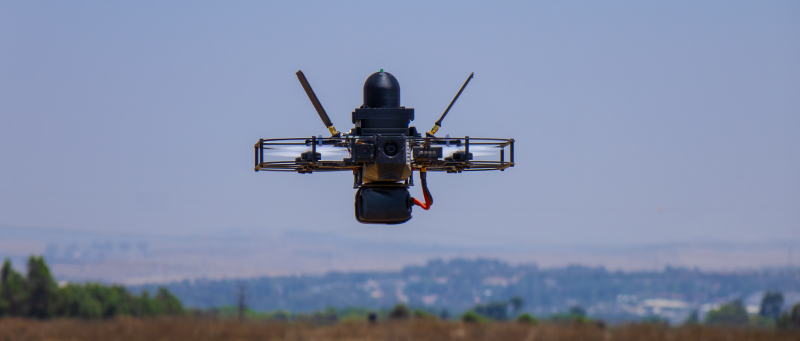
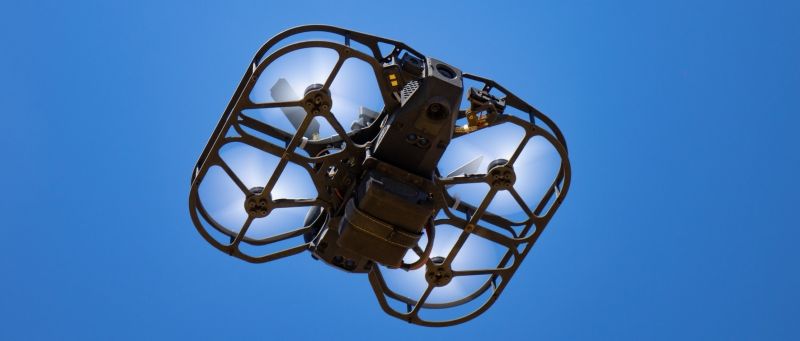
The result follows XTEND’s successful delivery and demonstration of 120 STRIKER systems in operationally realistic scenarios evaluated by warfighters for Gauntlet II, and marks another significant milestone in the company’s growing role in U.S. defense programs.
“This is a major win for XTEND,” said Aviv Shapira, Co-Founder and CEO of XTEND. “We delivered, we competed, and we proved what STRIKER is capable of in the hands of U.S. warfighters. This achievement demonstrates the strength of our technology.”
STRIKER is powered by XTEND’s proprietary XOS operating system and is designed for tactical missions in confined, complex and GNSS-denied environments.
The
Cautionary Note Regarding Forward-Looking Statements
This press release contains forward-looking statements within the meaning of the Private Securities Litigation Reform Act of 1995, including statements regarding the capabilities of XOS and its STRIKER system and its financial prospects, including that according to the Drone Dominance Program the 10 companies selected for Gauntlet II are finalists for prototype contracts and awards are not guaranteed. These statements are based on current expectations and assumptions and involve risks and uncertainties that could cause actual results to differ materially, including the timing and size of orders from government and defense customers, geopolitical and economic conditions in the United States and the other regions in which XTEND operates, and the other risks described under "Risk Factors" in the registration statement on Form S-4 filed with the SEC in connection with the business combination and in XTEND's other filings with the SEC, available at www.sec.gov. Readers are cautioned not to place undue reliance on forward-looking statements, which speak only as of the date of this press release. XTEND does not undertake any obligation to update or revise any forward-looking statement, whether as a result of new information, future events, or otherwise, except as required by applicable law.
About XTEND AI Robotics, Inc.
XTEND is a leader in software systems and Physical AI, deployed in high-threat, complex operational environments where human exposure carries significant risk. Powered by its proprietary XTEND Operating System (XOS), XTEND’s integrated software and advanced robotic hardware solutions are designed to provide autonomy at the edge. Operating across Defense, Homeland Security, and Commercial Security missions through a platform of robots, drones, and robotic subsystems, XTEND’s open architecture platform facilitates scalability across partners and third-party applications. With over 12,500 systems deployed in over 30 countries, XTEND’s solutions have been validated in five combat zones and operationally deployed by national defense, special-mission units, and security organizations across the globe. Founded in Tel Aviv, Israel, and headquartered in Tampa, Florida, XTEND delivers NDAA-compliant solutions through a global network of regional XFAB manufacturing facilities located in the U.S., the U.K., Singapore, Israel, Mexico and Latvia.
Contacts
XTEND Media Contact:
Headline Media
Sarah Small
929-255-1449
sarah@headline.media
XTEND Investor Relations:
MZ North America
Shannon Devine
203-741-8811
XTND@mzgroup.us

FAQ
AI-generated questions and answers. How Rhea-AI works. Not financial advice.
What is XTEND’s STRIKER system designed to do?
STRIKER is powered by XTEND’s proprietary XOS operating system and is designed for tactical missions in confined, complex and GNSS-denied environments, supporting close quarters battle use cases.
What is the purpose of the U.S. Department of War’s Drone Dominance Program?
The $1 billion Drone Dominance Program (DDP) is intended to build a resilient, U.S.-based supply chain for low-cost, capable one-way attack drone systems, supporting domestic industrial capacity for these platforms.
Who manages and contracts for the Drone Dominance Program?
The DDP is jointly managed by the Defense Innovation Unit (DIU) and the Test Resource Management Center (TRMC), with the Naval Surface Warfare Center, Crane Division (NSWC Crane) serving as the contracting authority.