
Instacart Gives Grocers and CPG Brands a Live View of Every Store
Instacart is rolling out AI-driven in-store software that turns grocery shelves into a live, actionable digital map for retailers and brands.
Rhea-AI Summary
Instacart (CART) announced new in-store software on September 21, 2026 that gives grocers and CPG brands a real-time digital view of grocery shelves. The solutions use data from approximately 600,000 Instacart shoppers, who generate over 10 million daily data points from shelf scans across North America, plus insights from more than 1.6 billion lifetime orders and imagery from Caper Carts.
The platform powers an Inventory Intelligence virtual store view for retailers and a Store Excellence Portal for brands. Features include real-time shelf visibility, merchandising optimization, demand forecasting, lost sales estimation, substitution and competitive benchmarking, and seasonal out-of-stock forecasting. The software is rolling out with select grocers and brands, with broader availability in the coming months.
Positive
- None.
Negative
- None.
Key Figures
- Shopper network
- approximately 600,000 shoppers
- North America network
- Store visits
- more than 15 times per store per day
- average shopper network activity
- Daily data points
- over 10 million unique data points daily
- generated by shopper activity
- Lifetime orders
- more than 1.6 billion lifetime orders
- data supporting the in-store software
Historical Context
-
Clementine launched with grocery data and early results showing larger baskets.
24h Move is the share-price change in the day after each event; other market factors may also have contributed.
Key Terms
computer vision technical
planogram technical
sku technical
upc technical
cpg financial
AI-generated analysis. How Rhea-AI works. Not financial advice.




New in-store software solutions will give grocers and CPG brands a live view of every store, so shelves stay stocked and customers can find what they need
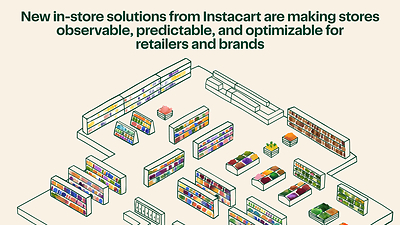
Instacart's network of approximately 600,000 shoppers visits stores across
"Grocery stores are the most complex physical environments in retail. A single store carries tens of thousands of items and the floor changes by the minute as customers shop, brands restock, and associates move displays," said Ryan Hamburger, Chief Commercial Officer at Instacart. "Traditional inventory systems weren't built for today's reality – they rely on estimates and periodic counts, leaving grocers and brands with an incomplete picture of what's actually happening on shelves. By turning the insights Instacart generates every day into real-time intelligence for the physical store, we'll give retailers and CPG brands a level of visibility that drives better business outcomes and experiences for every customer."
Building a real-time view of every store, aisle by aisle
What sets Instacart's in-store software solutions apart from other shelf-monitoring tools is the depth of grocery-specific data behind it. Most solutions solely track items received and sold; Instacart shows grocers and CPG brands exactly what is on the shelf, where customers are shopping, which displays are driving sales, and where gaps are costing revenue.
For store managers, that intelligence will come to life in a virtual view of the store through Inventory Intelligence, where they can walk any aisle, view shelf performance, and explore stocking, merchandising, and planogram changes before making them in-store. Instacart's in-store software solutions will offer:
- Real-time shelf visibility: See what is on the shelf, continuously updated as Instacart shoppers scan throughout the day – enabling in-store teams to replenish high-margin, high-velocity items faster, merchandisers to optimize shelf layouts and displays, and supply chain teams to improve demand forecasting and replenishment.
- Merchandising optimization: Identify high-velocity products that may need more shelf space and where a simple change, like adding another facing, could help recover lost sales.
- Demand forecasting: Anticipate which products are likely to run out before they do, helping teams prioritize restocking ahead of holidays and other periods of peak demand.
For CPG brands, Instacart is bringing new visibility into what happens with their products in stores with the Store Excellence Portal. Brands will receive a daily, store-level view of what is on the shelf, helping them identify where gaps are costing sales, where customers are switching to competitors, and which stores and SKUs need attention. Instacart's new solution helps brands understand:
- Lost sales estimation: See how much revenue is being lost down to the store and UPC – refreshed daily – giving teams an estimated dollar figure to act on.
- Substitution and competitive benchmarking: Track whether consumers who could not find your product switched to a different pack size or competitor, and see how your availability stacks up against the category - turning an empty shelf into an actionable sales signal.
- Seasonal and forward-looking monitoring: Stay ahead of peak periods by tracking depletion patterns in the weeks before demand spikes and comparing against years of historical availability data. Built-in forecasting will flag which stores and SKUs are likely to go out of stock before it happens.
These new in-store software solutions are rolling out with select grocers and CPG brands, with more launching in the coming months.
"Identifying out-of-stock issues has typically meant piecing together information from multiple systems and our store managers spending a lot of time on the floor," said Dylan Queen at Queen's Price Chopper. "Having visibility to on-shelf realities and inventory trends over time will help us better orchestrate replenishment across the store and respond to gaps quicker."
"One of the greatest challenges we see in retail is prioritizing where to send resources to create the greatest impact for brands," said Andy Keenan, Executive Vice President & GM, Branded Retail Services at Advantage Solutions. "We partner closely with Instacart, and one of our biggest unlocks has been accessing their Store Excellence Portal data. We can identify where products are missing, prioritize by sales opportunity, and direct resources to the shelves that need it most. That's helped us recover lost sales and improve on-shelf availability for the brands we serve."
These AI solutions are part of the Instacart Enterprise platform. Learn more at company.instacart.com/enterprise-platform.
About Instacart
Instacart is a leading grocery technology company that partners with more than 2,200 retail banners – representing nearly 100,000 stores – to transform how people shop for the groceries they need from the retailers they trust, while creating flexible earning opportunities for shoppers. Through the Instacart Marketplace, Instacart Enterprise platform, and Instacart Ads ecosystem, the company powers ecommerce, fulfillment, in-store technology, AI offerings, and advertising for partners. For more information, visit www.instacart.com/company. Maplebear Inc. is the registered corporate name of Instacart.

 View original content to download multimedia:https://www.prnewswire.com/news-releases/instacart-gives-grocers-and-cpg-brands-a-live-view-of-every-store-302884147.html
SOURCE Maplebear Inc. dba Instacart
FAQ
AI-generated questions and answers. How Rhea-AI works. Not financial advice.
What are the main capabilities for grocers in Instacart's in-store software?
Grocers can use Inventory Intelligence to see a virtual view of each store, walk any aisle digitally, view shelf performance, and test stocking, merchandising, and planogram changes before implementing them in-store. The tools provide real-time shelf visibility, help replenish high-margin and high-velocity items faster, optimize layouts and displays, and support demand forecasting for peak periods.
How does the Store Excellence Portal help CPG brands?
The Store Excellence Portal gives brands a daily, store-level view of what is on shelf, including lost sales estimation down to store and UPC, substitution and competitive benchmarking when products are unavailable, and monitoring of depletion patterns before seasonal demand spikes. Built-in forecasting flags which stores and SKUs are likely to go out of stock so brands can prioritize action.
What data sources power Instacart's real-time shelf visibility?
The system combines shelf-scan data from Instacart's network of about 600,000 shoppers, who visit stores across North America more than 15 times per store per day on average, generating over 10 million unique data points daily. It also incorporates insights from more than 1.6 billion lifetime orders and shelf imagery captured by Instacart shoppers and Caper Carts using Arpalus computer vision technology.
Who is currently using these new in-store software solutions?
The solutions are rolling out with select grocers and CPG brands, with additional partners expected in the coming months. Queen's Price Chopper and Advantage Solutions are cited as examples using the visibility and Store Excellence Portal data to orchestrate replenishment, prioritize resources, recover lost sales, and improve on-shelf availability.
Where can businesses learn more about Instacart's enterprise offerings?
These AI-driven in-store solutions are part of the Instacart Enterprise platform. More information is available at company.instacart.com/enterprise-platform.