
Decade Hits Porphyry in Every Hole That Reached Bedrock at Bonaparte, Including Two Holes 1.2 km Apart; System Appears More Than 2 km Wide
Visual drilling observations await assays to determine the rocks’ copper, molybdenum and gold content.
Sentiment and the balance of points
Rhea-AI Sentiment reads the wording of the document, how positive or negative its language is on a 1 to 5 scale. The balance of points shown with the takes weighs what the document actually discloses, so the two can disagree, for example when a trial that missed its main goal is described in upbeat language.
Rhea-AI Summary
Decade Resources (DECXF) intersected porphyry dykes in every Bonaparte drill hole that reached bedrock, including holes collared 1.2 km apart. Five holes totaling 2,000 m are complete. DDH-BN-6 is drilling rock altered by potassium-rich fluids, containing chalcopyrite, a copper-bearing mineral, and rock broken by hot fluids. These observations are visual; assay results are pending.
Decade interprets the system as appearing more than 2 km wide. The historic geophysical anomaly measures 3 x 4 km but has not been verified as current. Drilling continues, and DDH-BN-3 will be redrilled after failing to reach bedrock. The surface program collected over 1,300 soil samples during the 2026 field season, with results pending.
Positive
- Minor pointPorphyry dykes intersected in every hole reaching bedrock, including holes collared 1.2 km apart.
- Minor pointDDH-BN-6 contains potassium-altered rock, chalcopyrite and rock broken by hot fluids.
- Minor pointDDH-BN-1 indicated mineralized porphyry containing chalcopyrite and molybdenite, a molybdenum-bearing mineral.
- Minor pointFive holes totaling 2,000 m completed at Bonaparte.
- Minor pointSystem width appears greater than 2 km in Decade’s interpretation of mapping and drilling.
3 minor points
- Minor pointDiscovery Area appears related to a second porphyry event, in Decade’s interpretation.
- Minor point. Forward-looking: it has not happened yet and may not happen.DDH-BN-6 drilling continues; Decade plans to redrill DDH-BN-3 at its original location.
- Minor pointOver 1,300 soil samples collected in 2026; surface work extended approximately 5 km from drilling.
Negative
- Minor pointDrill observations are visual; pending assays are needed to determine copper, molybdenum and gold content.
- Minor pointHistoric 3 x 4 km geophysical anomaly remains unverified and is not treated as current.
- Minor pointDDH-BN-1 was lost in a fault after indicating mineralized porphyry.
- Minor pointDDH-BN-3 was lost in overburden before reaching bedrock.
- Minor point. Forward-looking: it has not happened yet and may not happen.Surface sampling assays remain pending, with release following receipt, compilation and review.
AI-generated analysis. How Rhea-AI works. Not financial advice.




DDH-BN-6 is drilling strongly potassic rock with chalcopyrite and hydrothermal breccia, features typical of a porphyry center. Five holes and 2,000 m complete. Drilling continues.
Highlights
- Porphyry dykes within highly altered rock, including phyllic, propylitic and potassic alteration, have been intersected in every hole that reached bedrock, including DDH-BN-2 and DDH-BN-5, which were collared 1.2 km apart
- DDH-BN-6 is drilling strongly potassic altered rock that contains chalcopyrite and hydrothermal breccia, a combination typical of the center of a porphyry system
- Surface mapping and drilling point to a large porphyry system along the Cooler Creek valley that appears to be more than 2 km wide
- The main induced polarization (IP) anomaly measures 3 x 4 km and sits in the SW portion of the claims, with a faulted extension beneath the Discovery Area. Much of it remains to be drilled
- The Discovery Area appears to be related to a second porphyry event
- Drilling continues, and the 2026 field season produced over 1,300 soil samples
Stewart, British Columbia--(Newsfile Corp. - October 8, 2026) - Decade Resources Ltd. (TSXV: DEC) (OTC Pink: DECXF) ("Decade" or the "Company") is pleased to report that drilling at its Bonaparte property is finding porphyry wherever it reaches bedrock. Five holes totaling 2,000 m have been completed to date, and every hole that reached bedrock has intersected porphyry dykes within highly altered rock, including two holes collared 1.2 km apart. The sixth hole, DDH-BN-6, is drilling now in strongly potassic rock that contains chalcopyrite and hydrothermal breccia, features typical of the center of a porphyry system. These observations are visual, and assay results are pending.
Porphyry deposits are the world's principal source of copper, and Bonaparte sits in porphyry country. The property is located approximately 50 km north of Kamloops, B.C., within the Kamloops Mining Division, and consists of six mineral claims totaling 5,549 ha. The region hosts some of British Columbia's major porphyry copper mines, including Highland Valley and New Afton. Mineralization at those mines is not necessarily indicative of mineralization at Bonaparte.
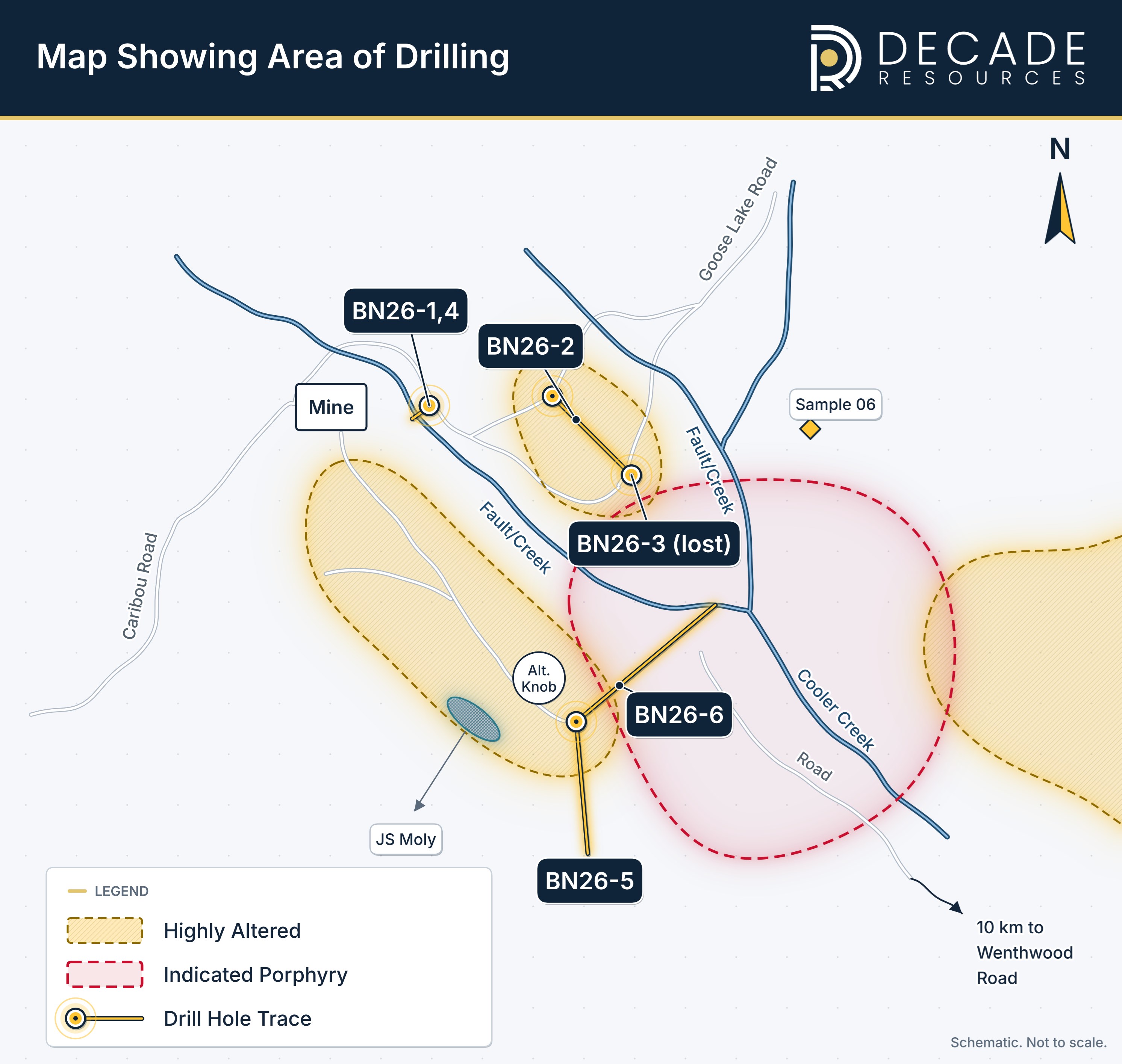
Figure 1. Map showing the area of drilling, including the highly altered zones and the interpreted porphyry outline along the Cooler Creek valley. Schematic. Not to scale.
To view an enhanced version of this graphic, please visit:
https://images.newsfilecorp.com/files/3615/318047_ceaecd6c0400eb7f_001full.jpg
Ed Kruchkowski, President of Decade Resources, stated: "Every hole that has reached bedrock has hit porphyry, including two holes 1.2 km apart, and DDH-BN-6 is now in strongly potassic rock with chalcopyrite and hydrothermal breccia. That is the pattern we hoped to see, and we would expect these features near the center of a porphyry system. The program has been successful in encountering mineralized porphyry as well as outlining the areas for future exploration. We are pleased and excited to have such a large target area for potential copper-molybdenum-gold mineralization, and we have a lot of ground left to test along a 3 x 4 km anomaly. Drilling will continue as weather conditions have been very mild, allowing for continued exploration, and we look forward to reporting results as they come in."
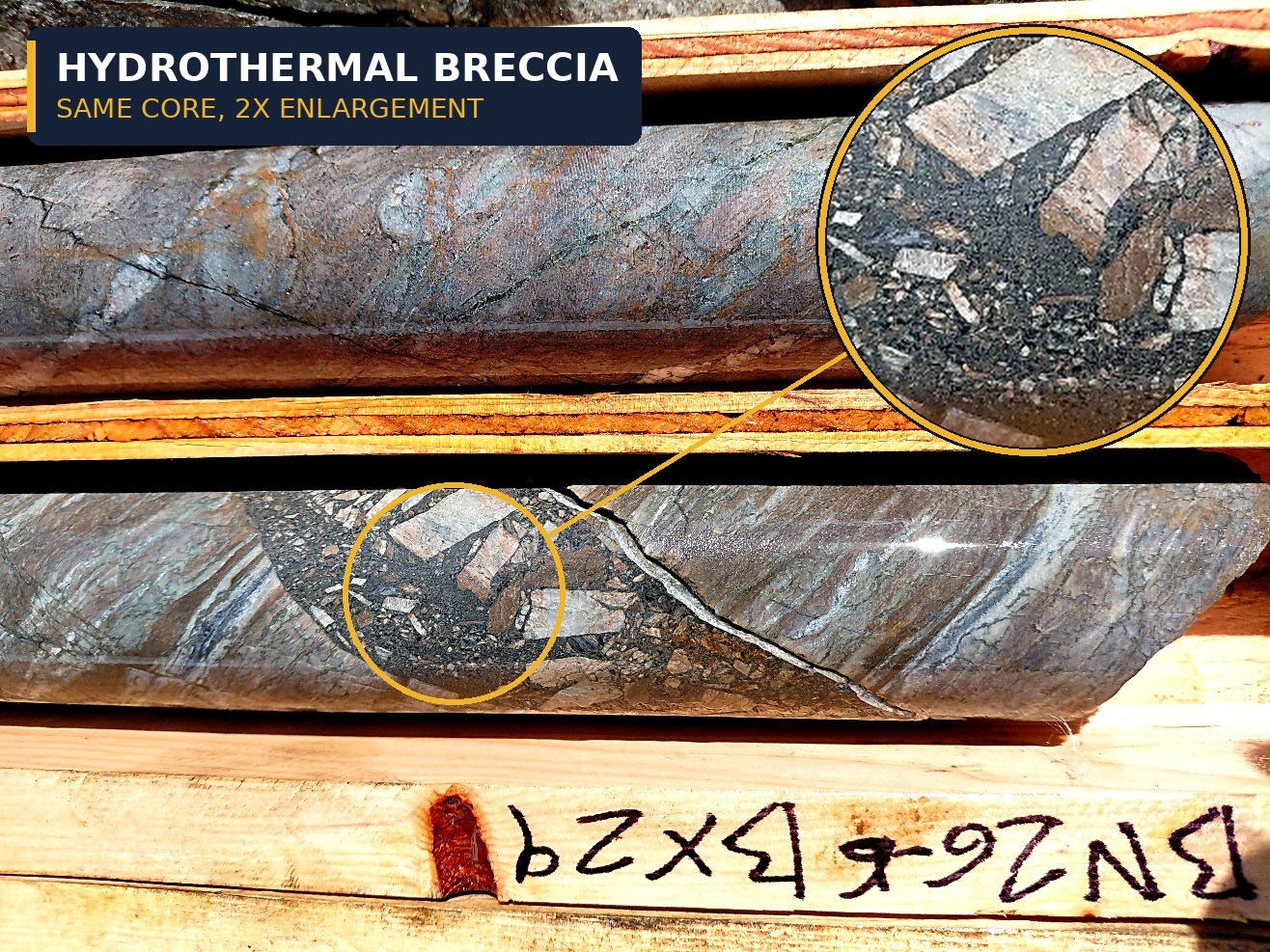
Photo 1. Intense potassic alteration and hydrothermal breccia at 150 m in DDH-BN-6. Inset shows the breccia from the same core at two times enlargement.
To view an enhanced version of this graphic, please visit:
https://images.newsfilecorp.com/files/3615/318047_ceaecd6c0400eb7f_002full.jpg
Drilling
The Company is testing porphyry-related copper and gold mineralization that appears to be spatially associated with strong chargeability highs coincident with strong resistivity highs. The main anomaly is 3 x 4 km, located in the SW portion of the claims, with a faulted extension beneath the Discovery Area, which was mined in previous periods. The anomalies were outlined in a historic National Instrument 43-101 technical report prepared for previous operators. A Qualified Person has not verified the historic geophysical results and the Company is not treating them as current. DDH-BN-1 indicated a mineralized porphyry with chalcopyrite and molybdenite associated with this IP anomaly.
The holes completed to date have tested different portions of the anomaly.
- DDH-BN-1, drilled at 230 degrees azimuth, was lost in a fault beneath the Discovery Area after indicating mineralized porphyry
- DDH-BN-2, drilled at 135 degrees azimuth, encountered the mineralized porphyry at depth, 400 m east of DDH-BN-1
- DDH-BN-3 was lost in overburden before reaching bedrock and will be redrilled at this location
- DDH-BN-4 used the same setup as DDH-BN-1 at a steeper dip and the same azimuth, to get below the fault, and intersected porphyry dykes within altered rock
- DDH-BN-5 was drilled at 175 degrees azimuth, 1.2 km south of DDH-BN-2, to test the south end of the IP anomaly, and also intersected porphyry dykes
- DDH-BN-6 uses the same setup as DDH-BN-5 at an azimuth of 050 degrees and is in progress
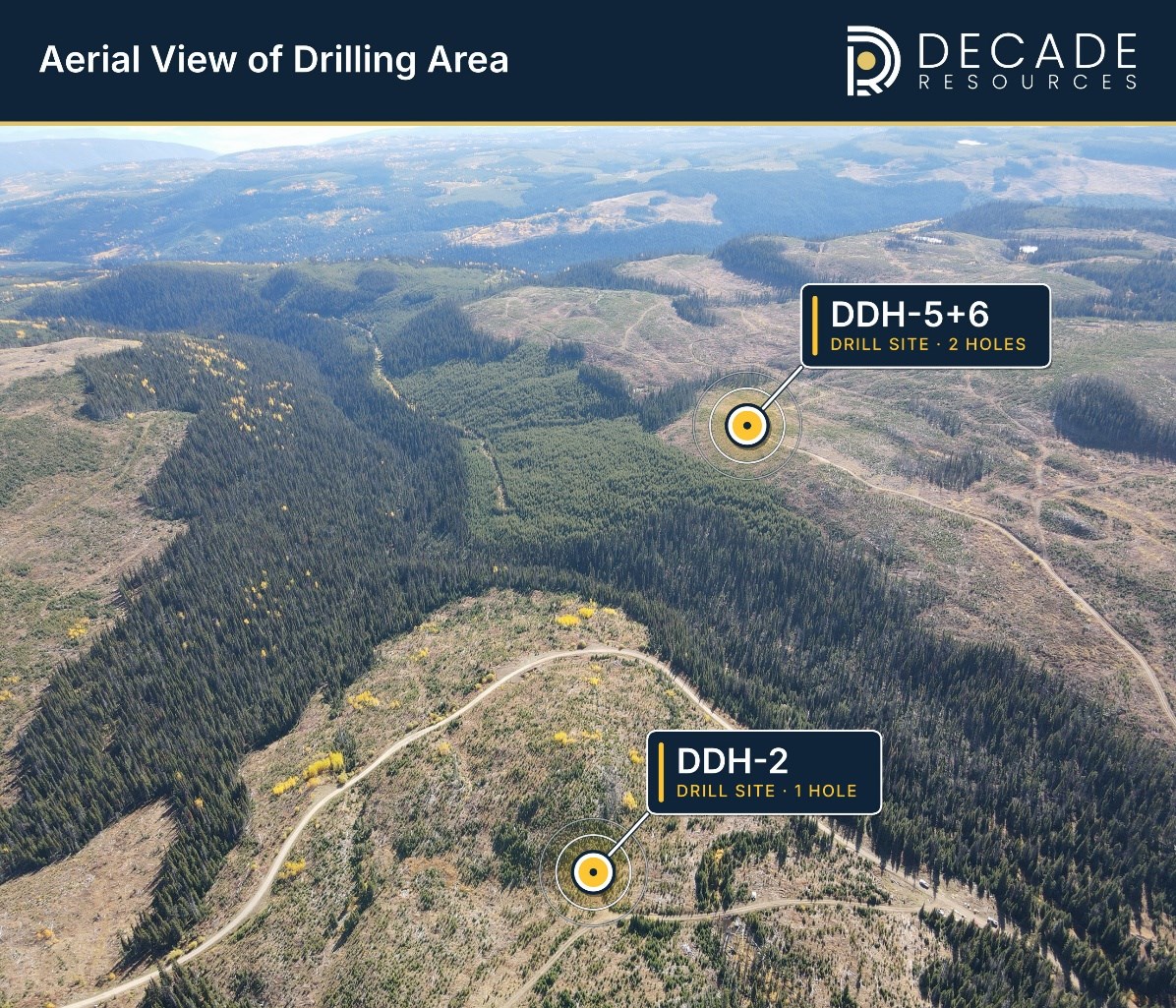
Figure 2. Aerial view of the drilling area.
To view an enhanced version of this graphic, please visit:
https://images.newsfilecorp.com/files/3615/318047_ceaecd6c0400eb7f_003full.jpg
Three Signatures of a Porphyry Center in One Hole
Porphyry copper systems form around bodies of cooled magma. Hot fluids released from that magma alter the surrounding rock in a recognizable pattern, with potassic alteration nearest the center, phyllic alteration around it and propylitic alteration at the outer margin. The Company's drilling has encountered all three.
DDH-BN-6 now shows three features geologists look for when drilling toward the center of a porphyry system.
- DDH-BN-6 is drilling strongly potassic altered rock. Copper and gold mineralization is commonly concentrated in and around the potassic zone
- The rock contains chalcopyrite, a copper-iron mineral and the main source of copper in many porphyry deposits. DDH-BN-1 also indicated chalcopyrite, along with molybdenite, the main molybdenum mineral
- DDH-BN-6 also contains hydrothermal breccia, which is rock broken apart by hot mineralizing fluids and cemented by minerals deposited from them. Breccias are common in the central parts of many porphyry systems, and those in DDH-BN-6 indicate possible collapse features
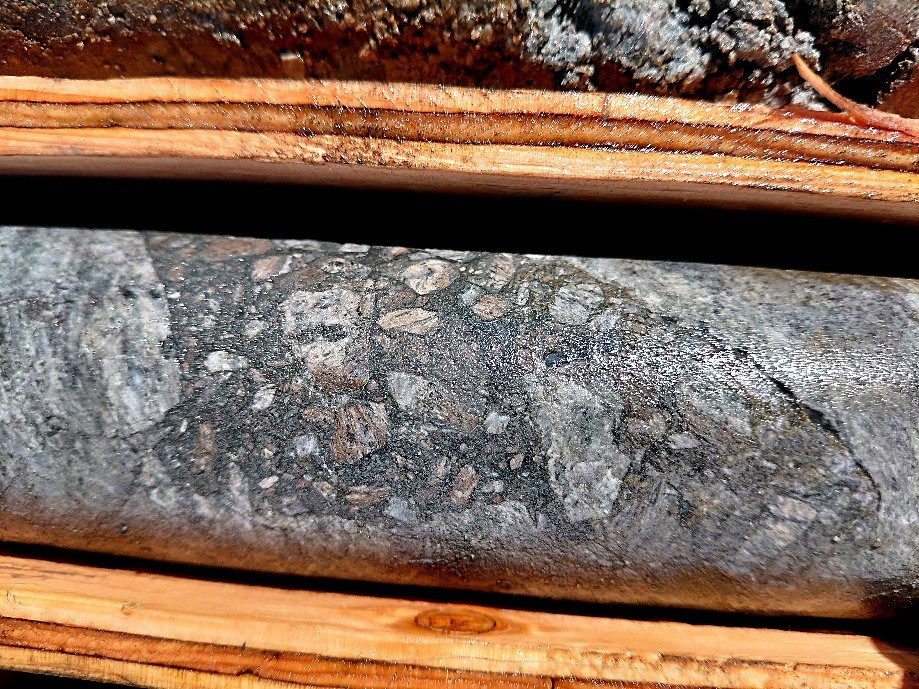
Photo 2. More hydrothermal breccia within DDH-BN-6.
To view an enhanced version of this graphic, please visit:
https://images.newsfilecorp.com/files/3615/318047_ceaecd6c0400eb7f_004full.jpg
The Company believes DDH-BN-6 is drilling near that center. Assay results are needed to determine the copper, molybdenum and gold content of these rocks.
A Large System
Surface mapping and drill information point the same way. Based on work to date, the data point to a large porphyry system along the Cooler Creek valley, and the system appears to be more than 2 km wide based on the highly silicified and altered rocks encountered to date. DDH-BN-2 and DDH-BN-5, collared 1.2 km apart, both intersected porphyry dykes. The main IP anomaly measures 3 x 4 km, and much of it remains to be drilled.
If assay results support what the core is showing, a system of this size would offer a very large target area for copper, molybdenum and gold.
The Discovery Area appears to be related to a second porphyry event, whereby the quartz veins are in the wall areas of north-south trending quartz diorite porphyry.
The possibility that Bonaparte is "another 195 Ma Au-Cu porphyry deposit in southern British Columbia" was raised in a 2013 British Columbia Geological Survey paper (Logan and Mihalynuk, 2013).
What Comes Next
Drilling continues at DDH-BN-6, and DDH-BN-3 will be redrilled at its original location. Weather conditions have been very mild, which is allowing exploration to continue. Shareholders can expect news from Bonaparte as DDH-BN-6 is completed, DDH-BN-3 is redrilled and assay results are received.
Surface Program Update
The Company has also completed a surface exploration program of sampling along the east side of the claims, approximately 5 km from the drill area, taking the work well beyond the drilled ground. In total, the 2026 field season resulted in the collection of over 1,300 soil samples. Assay results from the surface sampling programs will be released once received, compiled and reviewed.
Important Cautionary Notes
Visual observations of mineralization and alteration in drill core and outcrop are preliminary in nature, are not a substitute for laboratory analysis, and should not be relied upon as a measure of grade. The presence of chalcopyrite and molybdenite does not indicate that economic grades of copper or molybdenum are present. Assay results from the drill program are pending and will be released once received, compiled and reviewed by the Company's Qualified Person. Statements regarding the apparent size of the porphyry system are interpretations based on visual observations, surface mapping and historic geophysics. The presence, extent and grade of any mineralization can only be established by assay results and further drilling. References to nearby mines and deposits provide geological context only and are not necessarily indicative of the mineralization at Bonaparte. Exploration at Bonaparte is at an early stage, and no mineral resource has been defined on the property.
Qualified Person
Ed Kruchkowski, P. Geo., President of Decade Resources Ltd., is a Qualified Person as defined by National Instrument 43-101 and has reviewed and approved the technical contents of this news release.
About Decade Resources Ltd.
Decade Resources Ltd. is a Canadian based mineral exploration company actively seeking opportunities in the resource sector. Decade holds numerous properties at various stages of development and exploration, from grassroots to advanced. Its properties and projects are mostly located in the "Golden Triangle" area of northern British Columbia. For a complete listing of the Company's assets and developments, visit the Company website at www.decaderesources.ca.
For further information contact:
Decade Resources Ltd.
Telephone: 250-636-2264
Gary Assaly: 604-377-7969
Forward-Looking Statements
This news release contains certain statements that may be deemed "forward-looking statements" within the meaning of applicable securities laws, including statements regarding the continuation and results of the drill program, the redrilling of DDH-BN-3, the interpretation of alteration and mineralization observed in drill core and outcrop, the possible presence, size, center or continuity of a porphyry system, the timing and receipt of assay results, anticipated news flow, and the exploration potential of the Bonaparte property. Forward-looking statements are based on the current beliefs, estimates, and assumptions of management and are subject to known and unknown risks and uncertainties that could cause actual results to differ materially from those expressed or implied, including, without limitation, the risk that assay results do not confirm visual observations, the risk that further drilling does not confirm the presence, size or continuity of a porphyry system, drilling and equipment availability, assay laboratory turnaround times, results of exploration that differ from expectations, availability of financing, and receipt of regulatory and other approvals. The Company undertakes no obligation to update forward-looking statements except as required by applicable securities laws.
Neither TSX Venture Exchange nor its Regulation Services Provider (as that term is defined in the policies of the TSX Venture Exchange) accepts responsibility for the adequacy or accuracy of this release.
References
Logan, J.M., and Mihalynuk, M.G., 2013. Bonaparte gold: another 195 Ma Au-Cu porphyry deposit in southern British Columbia? In: Geological Fieldwork 2012, British Columbia Ministry of Energy, Mines and Natural Gas. British Columbia Geological Survey Paper 2013-1, 71-80.
Minfile BC
NI 43-101 Technical Report on the Bonaparte Gold Project by R. Kemp, P.Geo.
Reduced intrusion-related gold systems (RIRGS) are characterized by widespread arrays of sheeted auriferous quartz veins that preferentially form in the brittle carapace at the top of small plutons, where they form bulk-tonnage, low-grade Au deposits characterized by a Au-Bi-Te-W metal assemblage, such as the Fort Knox and Dublin Gulch deposits. https://www.researchgate.net/publication/277131625_Reduced_Intrusion-related_Gold_Systems

To view the source version of this press release, please visit https://www.newsfilecorp.com/release/318047
FAQ
AI-generated questions and answers. How Rhea-AI works. Not financial advice.
What has Decade Resources found in Bonaparte drilling?
Porphyry dykes were intersected in every hole that reached bedrock, including DDH-BN-2 and DDH-BN-5, collared 1.2 km apart. DDH-BN-6 contains potassium-altered rock, chalcopyrite and rock broken by hot fluids. The observations are visual, and assays are pending.
What happens next in Decade Resources’ Bonaparte exploration program?
Drilling continues at DDH-BN-6, and DDH-BN-3 will be redrilled at its original location. Drill assays are pending. Surface sampling results will be released once received, compiled and reviewed.
How did Decade Resources follow up the fault encountered in Bonaparte hole DDH-BN-1?
DDH-BN-4 used the same setup and drilling direction as DDH-BN-1, but a steeper angle to get below the fault. It intersected porphyry dykes within altered rock.