
IBM, Lockheed Martin Announce Swiss Quantum Innovation Hub at ETH Zurich, Anchored by Switzerland's First IBM Quantum Computer
IBM (IBM) and Lockheed Martin (LMT) have established a quantum innovation hub at ETH Zurich, which plans to host Switzerland's first IBM Quantum System Two at the Swiss National Supercomputing Center in Lugano.
Rhea-AI Summary
IBM (IBM) and Lockheed Martin (LMT) have established a quantum innovation hub at ETH Zurich, which plans to host Switzerland's first IBM Quantum System Two at the Swiss National Supercomputing Center in Lugano.
The system, operated by IBM and powered by an IBM Quantum Nighthawk processor, is expected to be deployed by the end of 2026. ETH Zurich will provide access, expertise and resources for Swiss industries, startups and academia, including cloud access to IBM's broader quantum fleet. The initiative aims to accelerate research, develop new algorithms and industrial use cases, and support quantum education and workforce development across Switzerland.
Positive
- None.
Negative
- None.
News Explained
The announcement adds two planned IBM–Lockheed Martin development projects: quantum sensing for navigation and improving additive manufacturing of metallic alloys.
Key Figures
- System deployment
- By the end of 2026
- Dedicated IBM Quantum System Two at ETH Zurich
- Joint development projects
- Two projects
- Quantum sensing and additive manufacturing
- Algorithmic research effort
- 10-year effort
- IBM and ETH Zurich foundational algorithmic research
- Quantum computer
- First IBM Quantum System Two
- Switzerland
Historical Context
-
IBM team advanced a quantum-computing and supercomputing protein simulation to Gordon Bell Prize finals.
24h Move is the share-price change in the day after each event; other market factors may also have contributed.
Key Terms
quantum computing technical
quantum sensing technical
additive manufacturing technical
AI-generated analysis. How Rhea-AI works. Not financial advice.




In an extension of ongoing collaboration, IBM and Lockheed Martin plan to initiate research projects with select Swiss academic institutions.
The Swiss National Supercomputing Centre at ETH
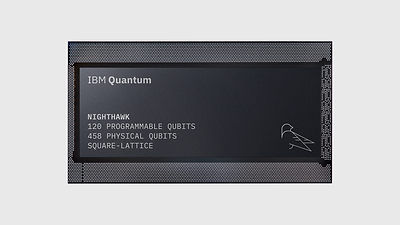
IBM will operate the IBM Quantum System Two, which will be powered by an IBM Quantum Nighthawk, the company's most advanced processor. ETH
"
"IBM has collaborated with institutions in
"
Delivering quantum to the Swiss ecosystem
Organizations that join the innovation hub through ETH
IBM and Lockheed Martin expand joint research initiatives
As part of the collaboration, two planned joint development projects between IBM and Lockheed Martin include the exploration of quantum sensing applications for navigation and the improvement of additive manufacturing of metallic alloys. These projects also complement ongoing efforts by IBM and Lockheed Martin across a range of advanced technologies focused on aerospace and defense innovation.
IBM and ETH
This initiative also builds upon a close and long-standing collaboration between IBM and ETH
The quantum education and workforce development effort includes providing the Swiss ecosystem with access to the IBM Quantum Network and IBM Quantum Platform learning offerings, including coursework, certifications, and workshops; as well as event support, such as hackathons, conferences, and partner forums.
About IBM
IBM is a leading provider of global hybrid cloud and AI, and consulting expertise. We help clients in more than 175 countries capitalize on insights from their data, streamline business processes, reduce costs and gain the competitive edge in their industries. Thousands of governments and corporate entities in critical infrastructure areas such as financial services, telecommunications and healthcare rely on IBM's hybrid cloud platform and Red Hat OpenShift to affect their digital transformations quickly, efficiently and securely. IBM's breakthrough innovations in AI, quantum computing, industry-specific cloud solutions and consulting deliver open and flexible options to our clients. All of this is backed by IBM's long-standing commitment to trust, transparency, responsibility, inclusivity and service.
Visit www.ibm.com for more information.
About Lockheed Martin
Lockheed Martin is a global defense technology company driving innovation and advancing scientific discovery. Our all-domain mission solutions and 21st Century Security® vision accelerate the delivery of transformative technologies to ensure those we serve always stay ahead of ready. More information at Lockheedmartin.com.
Media contacts:
Chris Nay
IBM Communications
cnay@us.ibm.com
Stephen Funk
IBM DACH Communications
+41-58 333 78 68
stephen.funk@ch.ibm.com
Trent Perrotto
Communications Director, Technology Transformation and Innovation, Lockheed Martin
trent.perrotto@lmco.com
O: 301-581-7005 | M: 321-272-8027

 View original content to download multimedia:https://www.prnewswire.com/news-releases/ibm-lockheed-martin-announce-swiss-quantum-innovation-hub-at-eth-zurich-anchored-by-switzerlands-first-ibm-quantum-computer-302874462.html
SOURCE IBM
FAQ
Where will Switzerland's first IBM Quantum System Two be located and who operates it?
The IBM Quantum System Two is planned to be installed at the Swiss National Supercomputing Center (CSCS) in Lugano. IBM will operate the system, which will be powered by an IBM Quantum Nighthawk processor.
When is the IBM Quantum System Two expected to be available to Swiss organizations?
ETH Zurich expects to provide organizations access to Switzerland's dedicated IBM Quantum System Two upon the system's deployment by the end of 2026.
How can organizations participate in the new Swiss quantum innovation hub?
Organizations that join the innovation hub through ETH Zurich will gain access to IBM's fleet of quantum computers over the cloud, and later to the dedicated IBM Quantum System Two in Switzerland.
What research and industrial areas are targeted by the quantum hub?
The hub is intended to support new use cases and research across chemistry, materials science, optimization, financial services and other fields, using IBM quantum systems as tools for scientific and industrial innovation.
What joint projects are IBM and Lockheed Martin planning under this collaboration?
Two planned joint development projects include exploring quantum sensing applications for navigation and improving additive manufacturing of metallic alloys, complementing broader aerospace and defense technology efforts.
How does this initiative support quantum education and workforce development in Switzerland?
The effort includes access to the IBM Quantum Network and IBM Quantum Platform learning offerings, such as coursework, certifications and workshops, as well as support for events like hackathons, conferences and partner forums.