
The $400 Emergency Expense is Dead: New Data Shows the Reality is $1,400
LendingClub Corporation (NYSE: LC) revealed insights from its Emergency Spending Edition of the Reality Check: Paycheck-To-Paycheck series, co-produced with PYMNTS.com.
Sentiment and the balance of points
Rhea-AI Sentiment reads the wording of the document, how positive or negative its language is on a 1 to 5 scale. The balance of points shown with the takes weighs what the document actually discloses, so the two can disagree, for example when a trial that missed its main goal is described in upbeat language.
Rhea-AI Summary
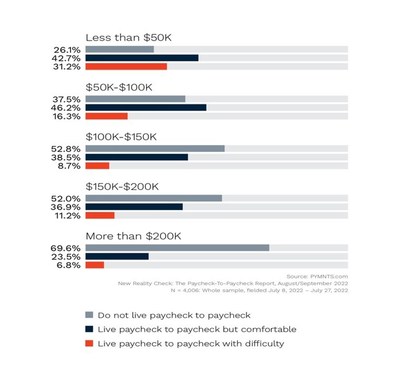
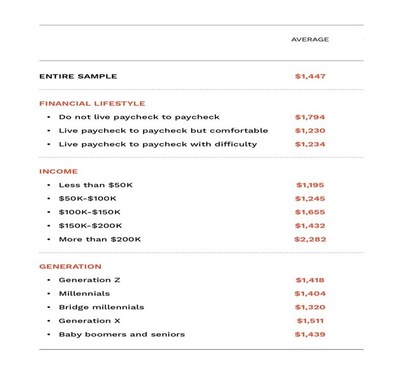
LendingClub Corporation (NYSE: LC) revealed insights from its Emergency Spending Edition of the Reality Check: Paycheck-To-Paycheck series, co-produced with PYMNTS.com. Nearly 46% of U.S. consumers faced unexpected expenses within the last 90 days, with an average cost of approximately $1,400. The report highlighted a concerning trend: the number of high-income consumers living paycheck to paycheck surged to 43%. Common emergency costs included car repairs (30%) and health-related expenses (21%). The findings suggest the outdated $400 emergency expense benchmark is no longer relevant due to inflation.
Positive
- Increased awareness of emergency expenses among consumers.
- LendingClub's role in addressing consumer financial wellness.
Negative
- 46% of consumers experienced unexpected expenses, indicating widespread financial strain.
- The average emergency expense is significantly above the outdated $400 benchmark, suggesting consumers are increasingly unprepared for financial shocks.
- 43% of high-income earners live paycheck to paycheck, an increase of 9 percentage points over the past year.
Details
News Market Reaction – LC
The recorded move for LC in the trading session of this news was -1.23%.
Data tracked by StockTitan Argus. Session date unavailable.
AI-generated analysis. How Rhea-AI works. Not financial advice.




Nearly half of U.S. consumers have had to pay at least one emergency expense in the last 90 days
SAN FRANCISCO, Aug. 29, 2022 /PRNewswire/ -- LendingClub Corporation (NYSE: LC), the parent company of LendingClub Bank, America's leading digital marketplace bank, today released findings from the 13th edition of the Reality Check: Paycheck-To-Paycheck research series, conducted in partnership with PYMNTS.com. The Emergency Spending Edition examines the financial lifestyle of U.S. consumers who live paycheck to paycheck, the factors that cause financial distress and the impact of financial stressors, such as emergency spending, on their ability to manage expenses and put aside savings.
In May 2022, the Federal Reserve released its annual report, the "Economic Well-Being of U.S. Households in 2021," which is often used as a measurement of a household's financial well-being. Since 2013, these annual reports have tracked consumers' stated ability to afford a theoretical
The recent LendingClub and PYMNTS' data finds that this is not just a thought exercise: Nearly half (
"The need to update the
More than half of all U.S. consumers currently live paycheck to paycheck, and increasing numbers of high-income consumers are falling into this financial lifestyle. In the past year, the share of consumers earning
The report finds that
The data finds that emergency expenses averaged approximately
The research also finds that in the last 90 days,
Common emergency expenses include everything from car repairs to health-related and housing and relocation expenses. At
Although most consumers used available funds to cover emergency expenses, more than one-third resorted to financing of some kind. Financially struggling consumers were not only less likely to be able to pay for an emergency expense but also less likely to use cash, money in a bank account, or credit cards to pay for the expenses in full.
The report finds that
Emergency expenses are often well in excess of the
To view the full report, visit: https://www.pymnts.com/study/reality-check-paycheck-to-paycheck-consumer-financing-emergency-expenses/
*Unexpected or emergency expenses are defined as certain types of unanticipated expenses of
New Reality Check: The Paycheck-To-Paycheck Report: The Emergency Spending Edition is based on a census-balanced survey of 4,006 U.S. consumers conducted from July 8 to July 27. The Paycheck-To-Paycheck series expands on existing data published by government agencies such as the Federal Reserve System and the Bureau of Labor Statistics to provide a deep look into the elements that lie at the backbone of the American consumer's financial wellness: income, savings, debt and spending choices. Our sample was balanced to match the U.S. adult population in a set of key demographic variables:
LendingClub Corporation (NYSE: LC) is the parent company of LendingClub Bank, National Association, Member FDIC. LendingClub Bank is the leading digital marketplace bank in the U.S., where members can access a broad range of financial products and services designed to help them pay less when borrowing and earn more when saving. Based on more than 150 billion cells of data and over
CONTACT:
For Investors: IR@lendingclub.com
Media Contact: Press@lendingclub.com
PYMNTS Contact: information@PYMNTS.com

 View original content to download multimedia:https://www.prnewswire.com/news-releases/the-400-emergency-expense-is-dead-new-data-shows-the-reality-is-1-400--301613166.html
SOURCE LendingClub Corporation
FAQ
AI-generated questions and answers. How Rhea-AI works. Not financial advice.