
OMNICOM MEDIA STUDY REVEALS NEW RULES FOR BRAND GROWTH IN THE ERA OF FRAGMENTED INFLUENCE
Omnicom (NYSE: OMC) released The Future of Brand Influence on January 5, 2026, reporting how a fragmented influence ecosystem is reshaping brand growth.
Sentiment and the balance of points
Rhea-AI Sentiment reads the wording of the document, how positive or negative its language is on a 1 to 5 scale. The balance of points shown with the takes weighs what the document actually discloses, so the two can disagree, for example when a trial that missed its main goal is described in upbeat language.
Rhea-AI Summary
Omnicom (NYSE: OMC) released The Future of Brand Influence on January 5, 2026, reporting how a fragmented influence ecosystem is reshaping brand growth. The research highlights declining impact of traditional advertising (only 32% say ads most affect brand opinion) and rising trust in people and AI (54% trust peers; 70% say GenAI helps them become category experts).
The study urges brands to expand physical and mental availability to include emotional availability, invest in influencers and retail media, adopt Generative Engine Optimization, and balance human connection with machine intelligence.
Positive
- 54% of consumers trust people over institutions
- 70% say GenAI enables rapid category expertise
- Partnerships with retailers and platforms to enhance influence
Negative
- Advertising influence low: only 32% cite ads as top brand driver
- Switching to cheaper brands rose to >30% from 19% earlier in 2025
- Nearly 4 in 10 consumers often do not notice social media ads
Details
News Market Reaction – OMC
On Jan 5, the day this news came out, OMC closed 3.65% below the previous close.
Data tracked by StockTitan Argus for the Jan 5 session.
Key Figures
- Word-of-mouth importance
- 71%
- Respondents saying what people say matters more than advertising
- AI over ads
- 45%
- Respondents saying AI matters more than advertising for brand perceptions
- Influencers over ads
- 43%
- Respondents saying influencers matter more than advertising
- Trust people more
- 54%
- Respondents trusting influencers/peers more than publications or institutions
- Gen Z higher trust shift
- 67%
- Gen Z trusting people more than institutions on social platforms
- GenAI product expertise
- 70%
- Respondents saying GenAI enables them to become an expert in any category
- Attention span concern
- 63%
- Respondents saying their attention span is just OK or not great
- Trading down on price
- More than 30%
- Respondents buying cheaper versions of usual brands, up from 19%
Historical Context
-
Outlined post-IPG acquisition strategy, leadership, and highlighted Omni platform scale.
-
Announced high tender uptake exchanging IPG senior notes into new Omnicom notes.
-
Raised quarterly dividend to $0.80 per share, signaling confidence post-merger.
-
Completed Interpublic acquisition, creating combined company with > $25B revenue.
-
Received unconditional European Commission antitrust approval for IPG acquisition.
24h Move is the share-price change in the day after each event; other market factors may also have contributed.
Key Terms
generative ai technical
ai-driven recommendations technical
genai technical
ad blockers technical
vpn technical
retail media technical
generative engine optimization (geo) technical
AI-generated analysis. How Rhea-AI works. Not financial advice.




"Future Of Brand Influence" Outlines How Brands Must Balance Human Connection and Machine Intelligence to Drive Growth

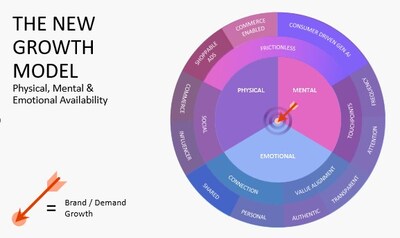
Supported by research 1 conducted by Omnicom Media Intelligence, the report explores how the long-standing fundamentals of brand growth - physical and mental availability - must now be expanded to include emotional availability, as consumers exert greater control over how, where, and from whom they receive information.
"Influence used to be relatively linear and predictable," says Joanna O'Connell, Chief Intelligence Officer, Omnicom Media North America and lead author of the study. "Today, brand messaging exists alongside everything from influencer opinions to AI-generated answers - and that means brands must earn emotional relevance and trust across a much broader set of touchpoints."
The research provides context for several first-to-market collaborations between Omnicom and leading retailers and social platforms, which will be unveiled this week at CES. These partnerships are designed to help brands enhance influence at critical moments across the consumer journey—from discovery through purchase and loyalty.
Who and What Really Influences Consumers
The study reveals a significant shift in how consumers form opinions and make decisions.
71% of respondents say what people are saying about a brand matters more than its advertising.- Nearly half say AI (
45% ) and influencers (43% ) matter more than advertising when shaping brand perceptions. 54% trust people—such as influencers or peers on social platforms—more than publications or institutions; among Gen Z, that figure rises to67% .- Only
32% of respondents say a brand's advertising most affects their overall opinion of a brand, compared to40% who cite what people online are saying.
"Trust is migrating from institutions to individuals, and increasingly to machines as well," O'Connell says. "That shift fundamentally changes how brands need to show up if they want to remain relevant and influential."
The GenAI Effect: Faster Paths from Curiosity to Action
Generative AI is accelerating the pace at which consumers move from inquiry to expertise to purchase.
70% of respondents say GenAI enables them to become an expert in any product or service category, from researching pros and cons to comparing brands.
At the same time, attention is increasingly fragmented:
63% of respondents say their attention span is just OK or not great.- Nearly 4 in 10 report not noticing ads on social media, even in high-ad-load environments.
- Ad blockers, ad-free subscriptions, signal loss, and VPN usage continue to erode traditional advertising reach.
Economic Pressure Is Competing with Emotional Loyalty
The report also highlights the growing tension between brand influence and economic influence:
- More than
30% of respondents now report buying cheaper versions of their usual brands, up from19% earlier this year. 75% say brand relatability is essential when making purchase decisions - yet72% believe brands care more about earning dollars than building loyalty.- And
55% feel brands no longer try to connect with them the way they used to.
Summarizing the collective impact, O'Connell says, "These findings reveal a media ecosystem in which brand influence is either being blocked, deprioritized, diluted, or self-sabotaged."
Implications: Rethinking the Rules of Brand Growth
While physical, mental, and emotional availability remain critical drivers of growth, the study finds that the paths to achieving them have fundamentally changed:
- Physical Availability now requires ubiquitous, frictionless products/services access across digital and physical channels.
- Mental Availability depends on cutting through unprecedented noise and dis-intermediation in a marketplace where reach and frequency are just table stakes.
- Emotional Availability has emerged as a decisive lever for building authentic connection at scale.
Says O'Connell, "These shifts are coming together to unveil a new marketing reality where brand influence is achieved by balancing the role of machines with the power of human connection in moments where brands are likeliest to capture people's attention."
Key Takeaways and Recommendations
To succeed in the new influence ecosystem, Omnicom Media recommends that brands:
- Market to humans by tapping into emotion at scale.
- Leverage live experiences to capture elevated attention and emotional engagement.
- Invest in influencers as authentic brand ambassadors and scalable media channels.
- Lean into retail media to surprise and delight shoppers throughout the purchase journey.
- Treat search as a behavior—meeting consumers wherever they are, on their terms.
- Market to machines by preparing for what's next.
- Adopt Generative Engine Optimization (GEO) strategies to prepare for AI's growing role in shaping consumer decisions.
"The future of brand influence isn't about choosing between humans and machines," says O'Connell. "It's about designing systems that serve both. Brands that do this well can turn discovery, consideration, purchase, and loyalty into a self-reinforcing growth flywheel."
The full Future of Brand Influence report can be downloaded here.
ABOUT OMNICOM MEDIA
Omnicom Media, an Omnicom (NYSE: OMC) Connected Capability, is the world's largest global media management network. Powered by the Omni Intelligence Platform, Omnicom Media agencies leverage
1 The Future of Brand Influence study surveyed 1,000
 View original content to download multimedia:https://www.prnewswire.com/news-releases/omnicom-media-study-reveals-new-rules-for-brand-growth-in-the-era-of-fragmented-influence-302652954.html
SOURCE Omnicom Media
FAQ
AI-generated questions and answers. How Rhea-AI works. Not financial advice.