
PEPSICO ANNOUNCES PROGRESS TOWARD 2030 AGRICULTURE GOALS
PepsiCo (NASDAQ:PEP) reported progress toward its 2030 Positive Agriculture goals, emphasizing regenerative practices, sustainable sourcing, and livelihoods.
Sentiment and the balance of points
Rhea-AI Sentiment reads the wording of the document, how positive or negative its language is on a 1 to 5 scale. The balance of points shown with the takes weighs what the document actually discloses, so the two can disagree, for example when a trial that missed its main goal is described in upbeat language.
Rhea-AI Summary
PepsiCo (NASDAQ:PEP) reported progress toward its 2030 Positive Agriculture goals, emphasizing regenerative practices, sustainable sourcing, and livelihoods.
Regenerative, restorative and protective practices now cover 4.7 million acres toward a 10 million-acre goal. 70% of key ingredients are sustainably sourced, ~2% are in an “Engaged” pathway, and about 224,000 people have been supported toward a 250,000-livelihoods ambition.
Positive
- 4.7 million acres using regenerative, restorative and protective practices toward 10 million-acre 2030 goal
- 70% of key ingredients sustainably sourced, plus ~2% progressing via an Engaged pathway
- Approximately 224,000 people supported toward 250,000-livelihoods positive impact target by 2030
- More than 15 innovation projects supported in 2025, reaching over 1,100 farmers via demos and training
Negative
- None.
Details
News Market Reaction – PEP
On Jul 1, the day this news came out, PEP closed 4.25% above the previous close.
Data tracked by StockTitan Argus for the Jul 1 session.
Key Figures
- Regenerative acres
- 4.7 million acres
- Global acres under regenerative, restorative, and protective practices
- Regenerative acres goal
- 10 million acres
- 2030 Positive Agriculture target
- Sustainable sourcing goal
- 90%
- Share of key ingredients targeted to be sustainably sourced by 2030
- Volume threshold
- 0.01%
- Minimum annual volume share for in-scope ingredients and materials
- Key ingredients sustainably sourced
- 70%
- Status as of 2025 under sustainable sourcing guidelines
- Engaged pathway volumes
- ~2%
- Volumes progressing toward more sustainable practices
- Livelihoods supported
- 224,000 people
- People supported across agricultural supply chains and communities since 2021
- Livelihoods goal
- 250,000+
- Targeted livelihoods to be positively impacted by 2030
Historical Context
-
RegenLend strip-till leasing program to support soil conservation practices.
-
Announcement of second-quarter 2026 results release and analyst Q&A schedule.
-
Launch of Future Harvest program to support next‑generation European farmers.
-
Quarterly dividend raised to $1.48 per share, 4% above prior year level.
-
Agreement to purchase low‑carbon ammonia attributes to help decarbonize fertilizers.
24h Move is the share-price change in the day after each event; other market factors may also have contributed.
Key Terms
regenerative agriculture technical
sustainable sourcing technical
deforestation technical
esg financial
AI-generated analysis. How Rhea-AI works. Not financial advice.




Accelerating performance across regenerative agriculture, restorative and protective practices, sustainable sourcing, and livelihoods ambitions worldwide
"As we continue work to help advance toward a more resilient and sustainable food system, I'm proud of the notable progress we're making—particularly in scaling regenerative agriculture, restorative or protective practices and expanding opportunities that help strengthen livelihoods," said Jim Andrew, Chief Sustainability Officer and Executive Vice President, PepsiCo. "Our Positive Agriculture agenda is delivering impact for both people and the planet. While there is more work ahead, this momentum underscores what's possible through strong collaboration and continuous innovation."
Scaling Regenerative, Restorative, and Protective Agriculture
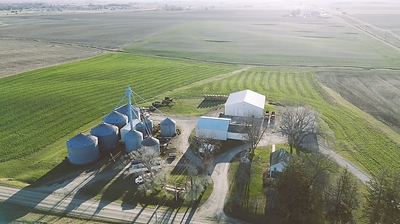
PepsiCo has expanded regenerative, restorative, and protective practices to 4.7 million acres globally, representing significant progress toward its goal to reach 10 million acres by 2030.2
Momentum in 2025 was driven by enhanced farmer engagement and landscape-level innovation, powered by deep, on-the-ground collaboration with farmer-focused partners. Together, PepsiCo and these partners co-designed locally relevant programs, aligned incentives to both environmental and economic outcomes, and supported adoption through technical assistance, peer networks, and data-driven insights. PepsiCo launched Supporting Trusted Engagement and Partnership, (STEP) Up for Agriculture, a collaboration with Unilever and several other large food and beverage companies and retailer customers to help strengthen farmer-facing organizations. Through tailored advisory support and a train-the-trainer model, the initiative aims to build capabilities, advance regenerative practices and support more sustainable supply chains.
Advancing Sustainable Sourcing
PepsiCo continues to make steady progress toward its goal to sustainably source
70% of key ingredients are now sustainably sourced- Additionally, ~
2% of volumes are actively progressing toward more sustainable practices under the company's "Engaged" pathway
These efforts are supported by PepsiCo's Sustainable Sourcing Guidelines and its Sustainable Farming Program, designed to help farmers adopt practices that can strengthen environmental performance and long-term agricultural resilience.
Livelihoods
Since 2021, PepsiCo has supported approximately 224,000 people across its agricultural supply chains and communities with dedicated programing designed to improve economic prosperity and farmer and farm worker security—nearing its goal to positively impact more than 250,000 livelihoods by 2030.5
Key programs contributing to this progress include:
- She Feeds the World (with CARE): Expanding food security, nutrition and income opportunities for smallholder farmers
- Collaborative Farming Program (
India ): End-to-end farmer support through demonstration farms, advantaged seed varieties and leadership engagement. The program provides agronomic advisory on best practices, showcases advanced technologies, and builds capabilities in regenerative and sustainable farming ultimately helping to strengthen market access and increase farm productivity and profitability. - Agrovita (with Proforest): Supporting smallholders in
Mexico to adopt sustainable practices and form rural cooperatives - 1,000 Farmers Endless Prosperity (Türkiye): Supporting farmers in Türkiye through personalized advisory support and digital tools that improve irrigation, fertilizer use and crop health
These initiatives are guided by PepsiCo's Livelihoods Implementation Framework for Engagement (LIFE), which measures outcomes across economic, social, and empowerment indicators.
Strengthening Collaboration and Innovation
PepsiCo continues to expand strategic collaborations globally in an effort to accelerate impact at scale. Collaborations with organizations such as Practical Farmers of
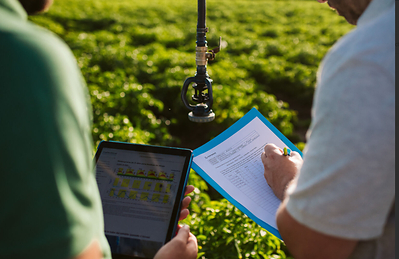
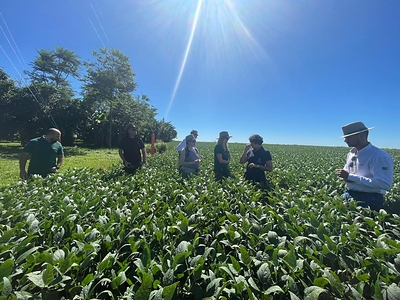
The company is also investing in innovation—from precision agriculture tools to climate resilience platforms and lower-carbon inputs—to help enable farmers to adapt to climate change and enhance productivity. PepsiCo supported more than 15 global innovation projects in 2025 through its Positive Agriculture Outcome (PAO) Accelerator and reached over 1,100 farmers through demonstration farms, trials and training programs.
Looking Ahead
Five years into its pep+ strategy, PepsiCo sees an opportunity to deepen positive impact in farming communities. Through 2030, PepsiCo plans to focus on:
- Building farmer, community, soil and climate resilience as well as biodiversity and watershed resilience through collaboration with stakeholders in its supply chain;
- Embedding impact across positive agriculture initiatives to help drive sustained, scalable outcomes; and
- Supporting transformation of farming ecosystems in key sourcing landscapes
In 2025, PepsiCo continued working to enhance traceability, leverage technology and strengthen collaborations. Deforestation remains a core aspect of the company's Positive Agriculture agenda, and performance towards related goals will be reported later in 2026.
PepsiCo will continue to report on progress toward these ambitions as part of its pep+ reporting. More details can be found on our Agriculture ESG Topics A-Z page, as well as our Performance Metrics and Calculation Methodology file.
This disclosure contains statements reflecting our views about our future performance that constitute "forward-looking statements" within the meaning of the Private Securities Litigation Reform Act of 1995. Forward-looking statements are generally identified through the inclusion of words such as "aim," "anticipate," "believe," "drive," "estimate," "expect," "goal," "intend," "may," "plan," "project," "strategy," "strive," "target" and "will" or similar statements or variations of such terms and other similar expressions. Forward-looking statements inherently involve risks and uncertainties. For information on certain factors that could cause actual events or results to differ materially from our expectations, please see PepsiCo's filings with the Securities and Exchange Commission, including its most recent annual report on Form 10-K and subsequent reports on Forms 10-Q and 8-K. Investors are cautioned not to place undue reliance on any such forward-looking statements, which speak only as of the date they are made. PepsiCo undertakes no obligation to update any forward-looking statements, whether as a result of new information, future events or otherwise.
About PepsiCo
PepsiCo products are enjoyed by consumers more than one billion times a day in more than 200 countries and territories around the world. PepsiCo generated nearly
Guiding PepsiCo is our vision to Be the Global Leader in Beverages and Convenient Foods by Winning with pep+ (PepsiCo Positive). pep+ is our strategic end-to-end transformation that puts sustainability and human capital at the center of how we will create value and growth by operating within planetary boundaries and inspiring positive change for planet and people. For more information, visit www.pepsico.com, and follow on X (Twitter), Instagram, Facebook, and LinkedIn @PepsiCo.
Media Contact:
Rachel Kent
Rachel.Kent@pepsico.com
_______________________________________ |
1 Sustainably sourced refers to in-scope ingredient volumes that meet the established criteria outlined in PepsiCo's Sustainable Sourcing Guidelines. Sustainable sourcing practices can help manage risks, but challenges like deforestation or social issues can persist in some regions |
2 See Calculation Methodology for detail on how we measure progress on this metric. Metric published July 1, 2026 |
3 Key ingredients and materials in scope for this goal include potatoes, high fructose corn syrup, whole corn, whole oats, virgin fiber and more. For a full list, see our Sustainable Sourcing Guidelines |
4 See Calculation Methodology for detail on how we measure progress on this metric. Metric published July 1, 2026 |
5 See Calculation Methodology for detail on how we measure progress on this metric. Metric published July 1, 2026 |
 View original content to download multimedia:https://www.prnewswire.com/news-releases/pepsico-announces-progress-toward-2030-agriculture-goals-302814386.html
SOURCE PepsiCo, Inc.
FAQ
AI-generated questions and answers. How Rhea-AI works. Not financial advice.