
PTC Brings AI-Powered Guidance to the Design Environment with Creo 13
PTC (NASDAQ:PTC) released Creo 13 and Creo+ 13.3, adding an embedded Creo AI Assistant that offers chat-based engineering guidance and best practices inside the CAD workflow.
Rhea-AI Summary
PTC (NASDAQ:PTC) released Creo 13 and Creo+ 13.3, adding an embedded Creo AI Assistant that offers chat-based engineering guidance and best practices inside the CAD workflow. A beta feature reads 3D models directly to surface design issues, compliance insights, and key data.
The release also brings higher productivity across assemblies, simulation, composites, generative design, manufacturing, and electrification, including up to 70% faster assembly loading from Windchill and composite transition calculations up to 60x faster, according to PTC.
Positive
- None.
Negative
- None.
Details
News Market Reaction – PTC
On Jun 10, the day this news came out, PTC closed 1.38% below the previous close.
Data tracked by StockTitan Argus for the Jun 10 session.
AI-generated analysis. How Rhea-AI works. Not financial advice.




- AI Assistant provides engineering guidance, best practices, and troubleshooting information, reducing onboarding time and reliance on external documentation
- Beta: AI that reads your 3D model to help teams catch issues earlier and validate designs faster
- Hundreds of enhancements across design, simulation, and manufacturing, reducing repetitive work and enabling accelerated workflows
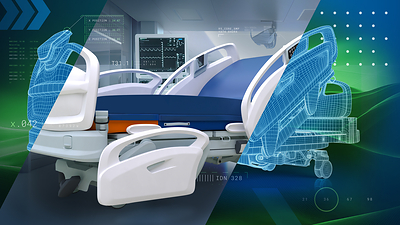
Bringing AI Into the Design Environment
The Creo AI Assistant gives engineers an expert resource embedded directly in their workflow. Through a chat interface in Creo, engineers can get instant guidance grounded in best practices, without having to search for documentation or wait on a colleague. Whether someone is new to Creo or an experienced user tackling an unfamiliar workflow, the assistant enables them to move faster, make better decisions, and spend less time searching through documentation.
In addition to the available Creo AI Assistant functionality, this release also previews a beta capability that reads directly from the 3D model, extracting insights intended to help engineers catch design issues early, validate compliance, and surface key design data on demand. It's an early look at how AI will become an active part of the design process, rather than a generic tool layered on top.
"AI in the design environment is changing how engineering teams operate, helping them work faster and make decisions with greater confidence," said Brian Thompson, General Manager of Creo, PTC. "With the Creo AI Assistant, our customers are no longer limited by how much institutional knowledge any one person carries. That changes everything about how they can scale, adapt, and compete."
More Power Across the Entire Design Process
In addition to the new AI Assistant capabilities, Creo 13 and Creo+ 13.3 deliver powerful improvements across product design workflows:
- User Productivity: Expanded feature presets, improved surfacing, sketcher, sheet metal, welding, and multi-body design capabilities, so engineers can focus on what matters: the design itself.
- Faster Assembly Management: Up to
70% faster assembly loading from Windchill over a Wide-Area Network, improving performance for remote users working with large CAD assemblies. - Model-Based Definition: Expanded 3D PDF export and improved annotation tools make it easier to share design intent with everyone involved in bringing a product to life.
- Composite Design & Manufacturing: Reuse composite design structure and intent with copy-paste capabilities. New composite design and manufacturing tools, including transition calculations up to 60x faster, help teams working with high-performance materials move from concept to production more efficiently without sacrificing precision.
- Simulation-Driven Design: Broader simulation coverage across assemblies and electronics scenarios enables engineers to identify and resolve problems in the digital model before they become costly physical issues.
- Generative Design: Optimization of designs in the assembly context, expanded multiphysics scenarios, and constraint cases help accelerate time to achieve the best designs.
- Advanced Manufacturing: Expanded 5-axis toolpath options, improved toolpath setup workflows, and mold design options give manufacturers greater control over part quality and production cycle times.
- Design for Electrification: Enhanced workflows expand harness assembly design and early cable routing to strengthen collaboration between electrical and mechanical engineering.
Creo 13, Creo+ 13.3, and Creo AI Assistant are being showcased at the PTC NEXT Chicago event on June 9-10 at the Swissôtel
With Creo and the rest of its portfolio, PTC is delivering on its vision for the Intelligent Product Lifecycle: enabling manufacturers and product companies to build a product data foundation, extend the value of that data across their enterprise, and accelerate AI-driven transformation. Broader use of product data enables companies to bring higher quality products to market faster, better manage product complexity, meet regulatory and compliance standards, and much more.
To learn more about Creo, visit www.ptc.com/en/products/creo/whats-new.
About PTC
PTC (NASDAQ: PTC) is a global software company that enables manufacturers and product companies to digitally transform how they design, manufacture, and service the physical products that the world relies on. Headquartered in Boston, Massachusetts, PTC employs over 7,000 people and supports more than 30,000 customers globally. For more information, please visit www.ptc.com.
Media Contact
Julia Reed
jreed@ptc.com
Investor Contact
Mike Maguire
investor@ptc.com
PTC, Creo, Creo+, Windchill and the PTC logo are trademarks or registered trademarks of PTC Inc. and its subsidiaries in the United States and other countries.

 View original content to download multimedia:https://www.prnewswire.com/news-releases/ptc-brings-ai-powered-guidance-to-the-design-environment-with-creo-13-302796715.html
SOURCE PTC Inc.
FAQ
AI-generated questions and answers. How Rhea-AI works. Not financial advice.