
Horizon Aircraft Selects BETA Technologies Advanced Flight Control Computers and Software for the Cavorite X7
BETA Technologies (NYSE:BETA) was selected by Horizon Aircraft to supply advanced flight control computers and customized software for the Cavorite X7 hybrid-electric VTOL aircraft.
Sentiment and the balance of points
Rhea-AI Sentiment reads the wording of the document, how positive or negative its language is on a 1 to 5 scale. The balance of points shown with the takes weighs what the document actually discloses, so the two can disagree, for example when a trial that missed its main goal is described in upbeat language.
Rhea-AI Summary
BETA Technologies (NYSE:BETA) was selected by Horizon Aircraft to supply advanced flight control computers and customized software for the Cavorite X7 hybrid-electric VTOL aircraft. Horizon will integrate BETA’s fly-by-wire platform as it advances development, testing, and certification.
BETA’s in-house flight control computers are designed for powered-lift aircraft, support FAA Part 21.17(b), Part 23 and Part 25 certification pathways, and target Transport Canada and EASA frameworks. The DAL-A capable system offers safety-critical redundancy, lightweight hardware, and future integration of autonomous mission controls.
Details
News Market Reaction – BETA
On Jul 9, the day this news came out, BETA closed 1.65% below the previous close. Argus tracked a peak move of +2.4% during that session. Our momentum scanner recorded 7 alerts in the available session data.
Data tracked by StockTitan Argus for the Jul 9 session.
Historical Context
-
Electric aircraft demonstration program in Hawaiʻi using BETA’s ALIA CTOL platform.
-
Participation in June 2026 investor events and advanced air mobility conference panels.
-
U.S. Transportation Secretary’s first flight in BETA’s next‑generation eVTOL aircraft.
-
Reported Q1 2026 results and updated full‑year revenue and Adjusted EBITDA guidance.
-
Announced participation in several May 2026 investor conferences in New York.
24h Move is the share-price change in the day after each event; other market factors may also have contributed.
Key Terms
fly-by-wire technical
vtol technical
evtol technical
easa regulatory
AI-generated analysis. How Rhea-AI works. Not financial advice.




BETA's advanced flight controls system will provide maximum precision, stability, safety and efficiency for Horizon Aircraft's Cavorite X7 hybrid-electric VTOL aircraft
TORONTO, ON AND SOUTH BURLINGTON, VT / ACCESS Newswire / July 9, 2026 / New Horizon Aircraft Ltd. ("Horizon Aircraft" or the "Company") (NASDAQ:HOVR) today announced that it has selected BETA Technologies, Inc. (BETA) (NYSE:BETA), an aerospace and defense company to supply its advanced flight control computers on the Company's full-scale hybrid-electric VTOL (Vertical Take-Off and Landing) aircraft, the Cavorite X7.
Through this partnership, Horizon Aircraft will integrate BETA's fly-by-wire (FBW) flight control hardware and customized software into the Cavorite X7 as the Company advances aircraft development, testing, and certification activities. BETA's FBW platform was designed specifically for modern VTOL aircraft and incorporates safety-critical software, system redundancy, and a flexible architecture intended to support reliable aircraft operations. BETA has designed its flight control computer (FCC) to support certification pathways for FAA Part 21.17(b) powered-lift, Part 23, and Part 25 applications, as well as future international regulatory frameworks including Transport Canada and EASA requirements.
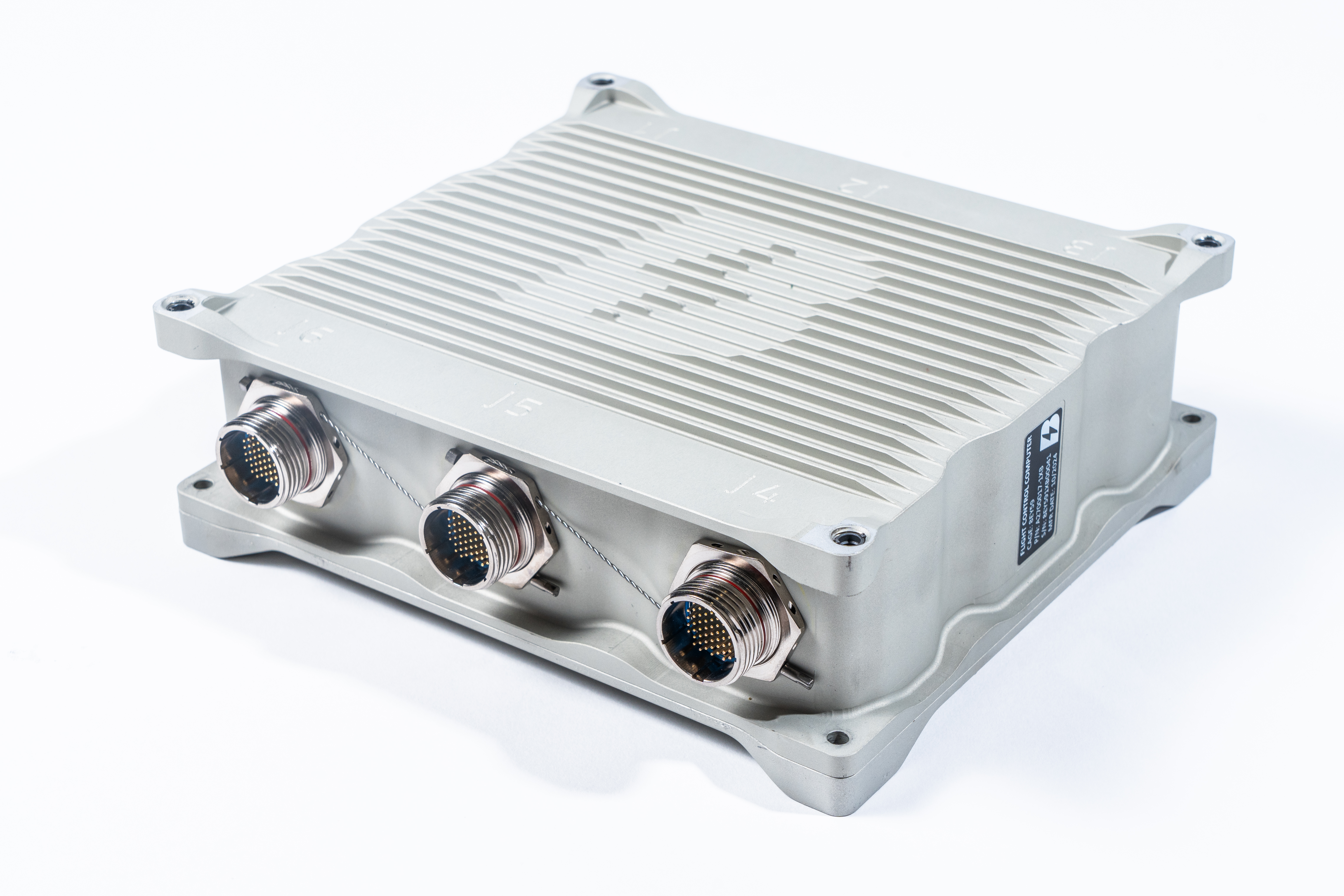
BETA Technologies Flight Control Computer
"At BETA, our ambition has always been to build the key technologies that move the aviation industry forward," said Kyle Clark, Founder and Chief Executive Officer of BETA Technologies. "Horizon Aircraft has a strong team capable of designing and flying the X7, and they chose our flight control computers because we built them to meet the most rigorous standards in the industry. They're compact, purpose-built for powered-lift, and designed with the certification discipline that DAL-A software and hardware development demands."
Advanced flight control systems are among the most safety-critical components of modern VTOL aircraft and are central to aircraft handling, performance, and certification.
"Flight controls are at the heart of our aircraft, so the process of selecting a flight controls partner was done methodically," said Tom Brassington, Chief Technology Officer, Horizon Aircraft. "We were attracted to BETA because of their sophisticated VTOL-specific FBW platform, a shared engineering philosophy, and the ability to support the rigorous long-term program requirements of aircraft certification."
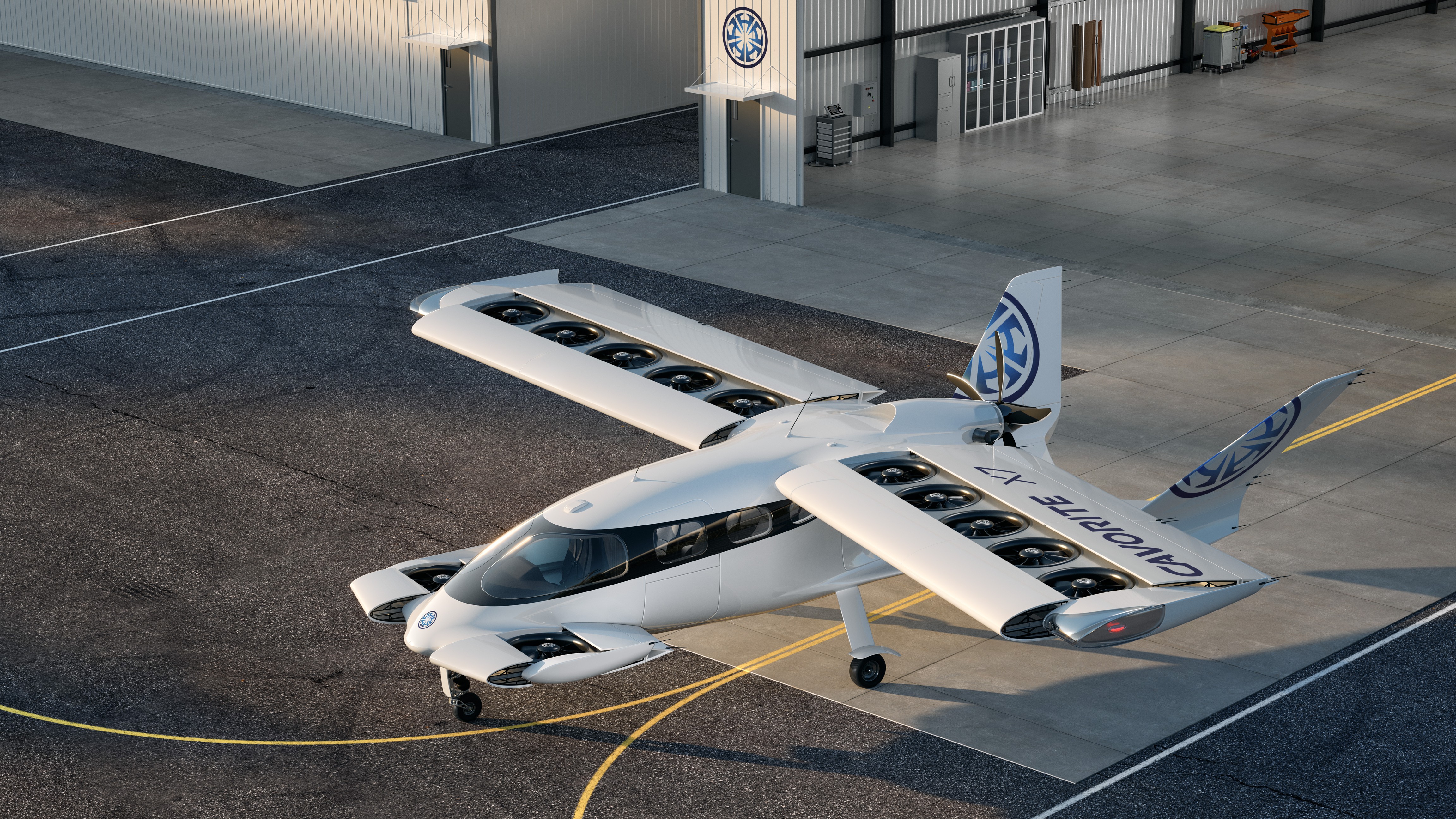
Cavorite X7 Rendering
BETA's FCCs were developed in-house to provide the capability, speed and reliability demands of modern powered-lift aircraft. Leveraging the latest electronics, the compact system delivers high-performance flight control in a lightweight form factor capable of meeting the stringent environmental and lightning protection requirements for eVTOL operations in both FAA and international airspace. Because Horizon Aircraft will use the same FCC hardware as BETA's own fleet, both companies benefit from shared economies of scale that reduce component costs and strengthen manufacturing efficiency.
As a merchant supplier of safety-critical components such as motors, batteries and flight controllers, BETA has the in-house capability to develop hardware and software up to Development Assurance Level A (DAL-A), the highest level of rigor recognized by the FAA and international regulators for systems whose reliability is paramount. The FBW architecture is also designed with the capability for customers to seamlessly integrate mission controls for autonomous aircraft operations in the future. Alongside its electric motors and battery systems, BETA's flight control computers represent a growing portfolio of components available to aircraft manufacturers across the advanced air mobility and aerospace sectors.
For more information about Horizon Aircraft, please see the Company's website or watch its innovative technology in action on the Company's YouTube channel.
About BETA Technologies
BETA (NYSE:BETA) is an aerospace and defense company designing, manufacturing and selling high-performance electric aircraft, advanced electric propulsion systems, components and charging systems to top operators worldwide. BETA has built and flown its family of ALIA aircraft, consisting of both conventional fixed-wing electric aircraft (the "ALIA CTOL") and electric vertical takeoff and landing aircraft (the "ALIA VTOL"), more than 150,000 nautical miles, including multiple trips across the United States. BETA is deploying a network of charging infrastructure to enable the growing industry with more than 100 sites across the United States and internationally. BETA's intentional approach to developing the enabling technologies necessary to electrify aviation unlocks lucrative aftermarket revenue opportunities over the life of each aircraft. These highly scalable enabling technologies allow BETA to serve a customer base across cargo and logistics, defense, passenger and medical end markets and unlock cost-effective and safe missions. BETA was named the #1 company on TIME's list of the World's Top GreenTech Companies of 2025.
Visit www.beta.team for more information about BETA and its products.
About Horizon Aircraft
Horizon Aircraft (NASDAQ:HOVR) is an advanced aerospace engineering company that is developing one of the world's first hybrid-electric VTOL (Vertical Take-Off and Landing) aircraft designed to fly most of its mission in traditional wing-borne flight, offering industry-leading speed, range, and operational utility. Horizon Aircraft's unique designs put the mission first and prioritize safety and performance. Upon successful completion of testing and certification of its full-scale aircraft, Horizon Aircraft intends to scale unit production to meet expected demand from regional operators, emergency service providers, and military customers.
For further information, visit:
Website www.horizonaircraft.com
LinkedIn https://www.linkedin.com/company/horizon-aircraft-inc
For further information, contact:
Horizon Aircraft
Investors
Kathryn Burns
ir@horizonaircraft.com
Media
Edwina Frawley-Gangahar
EFG Media Relations
+44 7580 174672
edwina@efgmediarelations.com
BETA Technologies
Media
Nat Bol
press@beta.team
Investor Relations
Devon Rothman
investors@beta.team
Forward-Looking Statements
This press release contains certain "forward-looking statements" within the meaning of the "safe harbor" provisions of the Private Securities Litigation Reform Act of 1995 and "forward-looking information" within the meaning of applicable Canadian securities laws (collectively, "forward-looking statements"). These forward-looking statements generally are identified by the words "believe," "project," "expect," "anticipate," "estimate," "intend," "strategy," "aim," "future," "opportunity," "plan," "may," "should," "will," "would," "target," "will be," "will continue," "will likely result" and similar expressions, but the absence of these words does not mean that a statement is not forward-looking. Forward-looking statements herein include, but are not limited to, statements relating to the targeted readiness of the full-scale hybrid Cavorite X7 eVTOL demonstrator aircraft for initial testing, development priorities and technical milestones; the Cavorite X7's design specifications, anticipated operational parameters and projected performance, including assumptions regarding operating costs, fuel consumption, maintenance costs and utilization rates; funding and liquidity sufficiency and runway; certification and testing plans; and potential production, partnership, supply chain and market opportunities.
Forward-looking statements are predictions, projections and other statements about future events that are based on current expectations and assumptions and, as a result, are subject to risks and uncertainties. Actual results may differ from their expectations, estimates and projections and consequently, you should not rely on these forward-looking statements as predictions of future events. Many factors could cause actual future events to differ materially from the forward-looking statements in this press release, including but not limited to: (i) changes in the markets in which Horizon Aircraft competes, including with respect to its competitive landscape, technology evolution or regulatory changes; (ii) the risk that Horizon Aircraft will need to raise additional capital to execute its business plans, which may not be available on acceptable terms or at all; (iii) the lack of useful financial information for an accurate estimate of future capital expenditures and future revenue; (iv) statements regarding Horizon Aircraft's industry and market size; (v) financial condition and performance of Horizon Aircraft, including the condition, liquidity, results of operations, the products, the expected future performance and market opportunities of Horizon Aircraft; (vi) Horizon Aircraft's ability to develop, certify, and manufacture an aircraft that meets its performance expectations; (vii) successful completion of testing and certification of Horizon Aircraft's Cavorite X7 eVTOL; (viii) the targeted future production of Horizon Aircraft's Cavorite X7 aircraft; and (ix) other factors detailed by us in the Company's public filings with the SEC and under the Company's profile on sedarplus.ca, including the disclosures under the heading "Risk Factors" in the Company's Annual Report on Form 10-K for the fiscal year ended May 31, 2025, filed with the SEC and filed under the Company's profile on sedarplus.ca on August 22, 2025. These filings identify and address other important risks and uncertainties that could cause actual events and results to differ materially from those contained in the forward-looking statements. Forward-looking statements speak only as of the date they are made.
Readers are cautioned not to put undue reliance on forward-looking statements, and while the Company may elect to update these forward-looking statements at some point in the future, it assumes no obligation to update or revise these forward-looking statements, whether as a result of new information, future events, or otherwise, unless required by applicable law. Horizon Aircraft does not give any assurance that Horizon Aircraft will achieve its expectations.
SOURCE: Horizon Aircraft
View the original press release on ACCESS Newswire
FAQ
AI-generated questions and answers. How Rhea-AI works. Not financial advice.