
Chesapeake Announces Proprietary Heap Oxidation Technology Updates
Phase III testing at Metates shows faster oxidation and higher gold-silver recoveries, with HPGR and third-party programs supporting technology commercialization.
Rhea-AI Summary
Chesapeake Gold (CHPGF) reported Phase III test results for its proprietary heap oxidation technology at the Metates project in Durango, Mexico.
New procedures in the Phase III variability program cut the oxidation phase for the Massive Intrusive domain to 90 days while achieving 70% gold and 61% silver recoveries, broadly similar to Phase II but in about one‑third of the time, and with gold recoveries up and silver recoveries about doubled versus Phase I. In the Intrusive Breccia domain, Phase III procedures lifted recoveries to 57% gold and 60% silver over 180 days, nearly doubling precious‑metal recoveries versus Phase I.
HPGR crushing followed by direct cyanidation increased gold and silver recoveries by 16% and 23% to 47% and 65%, respectively, suggesting higher baseline recoveries before heap oxidation. Silver recovery improvements from roughly 50–55% in Phase II to about 60% in Phase III and 65% in HPGR tests could materially benefit a resource containing over 400 million ounces of silver. Large‑diameter and long‑residence columns are in validation, and results are expected to feed into a planned prefeasibility study, whose timing depends on successful recovery of the San Vicente 3 concession. Six third‑party projects are now participating in testwork as the company advances commercialization of the Technology.
Positive
- Massive Intrusive domain achieved 70% gold and 61% silver recoveries in 90 days, with oxidation time cut from earlier 180–240 days.
- Intrusive Breccia domain reached 57% gold and 60% silver recoveries over 180 days, nearly doubling precious-metal recoveries versus Phase I.
- HPGR direct cyanidation lifted gold and silver recoveries by 16% and 23% to 47% and 65%, improving baseline recoveries before heap oxidation.
- Silver recovery rose from ~50–55% in Phase II to about 60% in Phase III variability tests and 65% in HPGR tests.
- Metates hosts over 423.2 million ounces of silver in measured and indicated resources and 59.0 million ounces inferred, so higher recoveries could materially improve economics.
- Third-party pipeline expanded to six projects, supporting the commercialization strategy for the heap oxidation Technology.
Negative
- Timing of the planned Metates prefeasibility study remains contingent on successful recovery of the San Vicente 3 concession.
- Large-diameter and long-residence column results are still in validation and reconciliation, delaying final inputs on oxidation rates and recoverable ounces.
- Commercial use of the Technology is not yet established, with metallurgical optimization, HPGR integration and a pilot plant still in planning or test stages.
AI-generated analysis. How Rhea-AI works. Not financial advice.




Vancouver, British Columbia--(Newsfile Corp. - September 22, 2026) - Chesapeake Gold Corp. (TSXV: CKG) (OTCQX: CHPGF) ("Chesapeake" or the "Company") is pleased to provide a progress update on its proprietary heap oxidation technology ("Technology") on its Metates project, located in Durango, Mexico.
Jean-Paul Tsotsos, Chief Executive Officer, commented, "The first results from the third phase of Metates' metallurgical testing highlight several significant advances through our variability program, including the ability to maintain and improve precious metals recoveries while reducing oxidation times. The improvements are expected to provide several cost-economic benefits and the opportunity to further enhance production while lowering working capital and costs. In addition, the preliminary High Pressure Grinding Roll ("HPGR") testwork underway offers another opportunity to further enhance recoveries. Industry interest in our Technology is growing, with several third-party projects participating in the testwork program as we execute on our commercialization strategy."
Oxidation Phase Performance Improvements Targeting Enhanced Recoveries
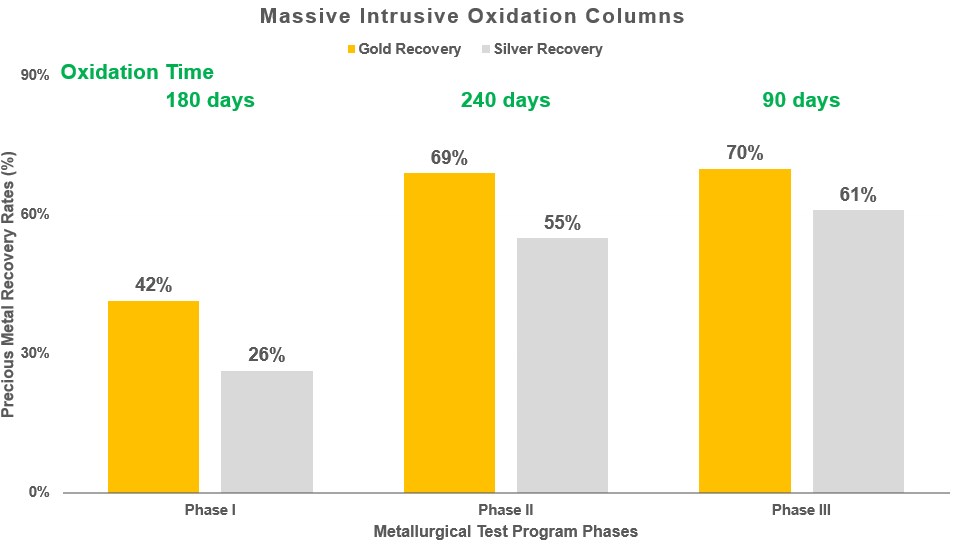
Figure 1: Massive Intrusive Oxidation Columns
To view an enhanced version of this graphic, please visit:
https://images.newsfilecorp.com/files/752/315365_75ba941ef42b69e0_002full.jpg
During the Phase III variability testwork program, new procedures were implemented to better simulate actual mine operations. These procedures have been positive, achieving better gold and silver recoveries in a reduced 90-day oxidation time (as compared to the Phase II 240-day and the Phase I 180-day oxidation times). The Massive Intrusive domain from Metates, which represents a majority of the future mine plan, reacted well, with precious metal recoveries achieving
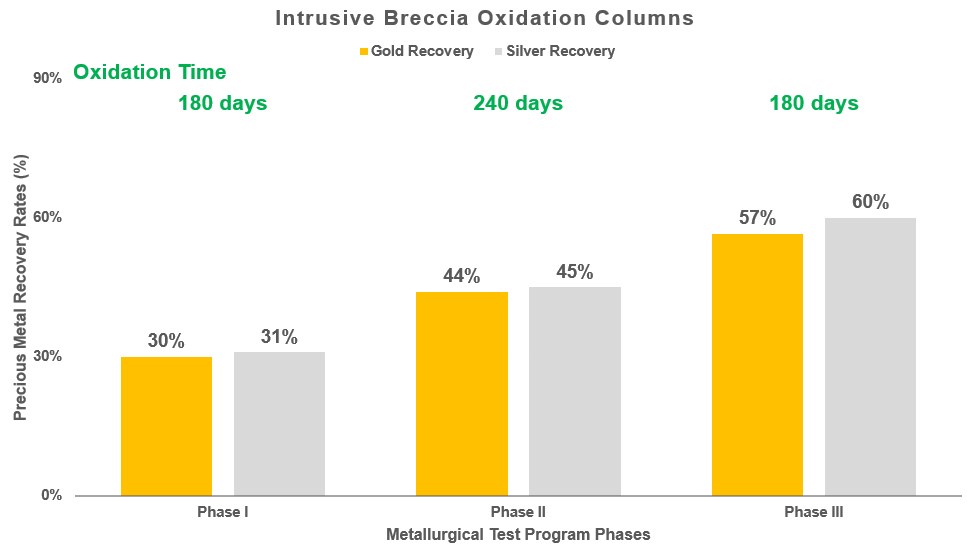
Figure 2: Intrusive Breccia Oxidation Columns
To view an enhanced version of this graphic, please visit:
https://images.newsfilecorp.com/files/752/315365_75ba941ef42b69e0_003full.jpg
Additionally, this same procedure was applied to the Intrusive Breccia domain from Metates. This domain represents a smaller portion of the overall deposit and overlays the Massive Intrusive, hosting similar precious metal grades. The procedure on this domain showed significant recovery improvement, with precious metal recoveries increasing to
The performance enhancements in Massive Intrusive and Intrusive Breccia highlight a pathway to increasing final precious metal recoveries while reducing required oxidation-phase processing time. Overall, this is expected to improve Metates' economics by reducing project capital and operating costs and lowering working capital requirements during mine ramp-up.
Recovery Improvements with HPGR
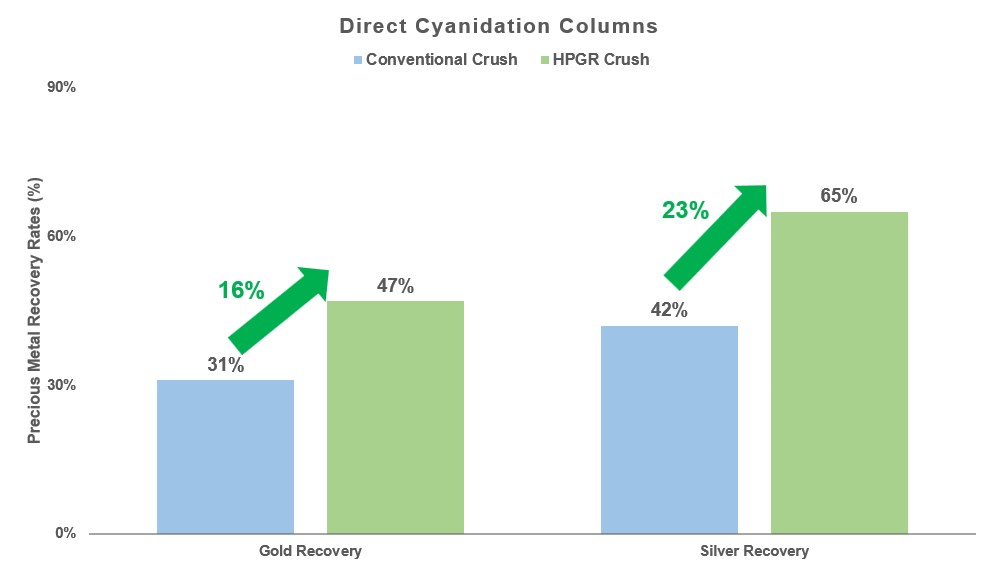
Figure 3: Intrusive Breccia Direct Cyanidation Columns
To view an enhanced version of this graphic, please visit:
https://images.newsfilecorp.com/files/752/315365_75ba941ef42b69e0_004full.jpg
Comparative crushing tests were performed during Phase III testwork to determine the potential benefits of conventional crushing versus an HPGR system. When run in parallel, direct cyanidation of the HPGR-crushed material showed marked improvement over conventional crushing, with gold and silver recoveries increasing by
Increased Metates Silver Recoveries
The Phase III variability testwork focused on improving silver recoveries, given that Metates hosts one of the largest undeveloped silver deposits globally1 with 423.2 million ounces of silver at 14.3 g/t within 921.2 million tonnes in the Measured and Indicated Mineral Resource category and a further 59.0 million ounces of silver at 13.2 g/t within 139.5 million tonnes in the Inferred Mineral Resource category. (See the technical report titled "Metates Sulphide Heap Leach Project Phase I" dated January 13, 2023, and news release dated February 22, 2023, the reliance on which remains contingent on the Company's successful recovery of San Vicente 3.)
The initial results of the Phase III program demonstrate several positive developments with silver recovery. The Phase II program achieved
Metates Large Diameter and Long Residence Variability Columns
The two large diameter columns have completed the oxidation and cyanidation phases and are now being validated and reconciled with the analytical data collected throughout the program. The long residence variability columns covering the future mine plan are also in the validation and reconciliation stage. The planned PFS is expected to incorporate these key results to determine oxidation rates, input costs, capital estimates, and recoverable gold and silver ounces.
Growing Pipeline of Third-Party Testwork
The first round of third-party testwork is nearing completion, with results to be released when available. Interest in the Technology's sulphide precious metal unlocking capability has continued to gain momentum. The Company has received samples from three new projects, bringing the total number of projects participating in the Technology testwork to six. This testwork continues in parallel with the Metates test program to demonstrate the Technology's applicability across a wide range of deposits and to support Chesapeake's strategy to commercialize the process and generate a significant stream of economic value.
Next Steps: Metates Optimization Phase Metallurgical Program and Planned Prefeasibility Study
Testwork continues to build on Phase III results, expand the HPGR program with heap oxidation and develop plans for a pilot plant demonstration facility.
Concurrently, the Company is also advancing several workflows associated with the planned Metates PFS. The timing of the PFS remains contingent on the successful recovery of the San Vicente 3 concession to achieve the optimal valuation for this study.
The Company intends to release the remaining results for the Phase III program and third-party testwork as they become available.
For Further Information:
For more information on Chesapeake's Metates and Lucy projects and its proprietary heap oxidation technology, please visit our website at www.chesapeakegold.com or contact Jean-Paul Tsotsos at invest@chesapeakegold.com or +1 778 731 1362.
Neither TSX Venture Exchange nor its Regulation Services Provider (as that term is defined in policies of the TSX Venture Exchange) accepts responsibility for the adequacy or accuracy of this news release.
Qualified Persons
Dr. Art Ibrado, P.E., of Fort Lowell Consulting PLLC, is the independent, qualified person responsible for the scientific and metallurgical technical information in this news release in accordance with NI 43-101. The qualified persons have reviewed and approved the contents of this release.
About Chesapeake
Chesapeake Gold Corp's flagship asset is the Metates Project ("Metates") located in Durango State, Mexico. Metates hosts one of the largest undeveloped gold-silver deposits in the Americas2 with over 16.77 million ounces of gold at 0.57 grams per tonne (g/t) and 423.2 million ounces of silver at 14.3 g/t within 921.2 million tonnes in the Measured and Indicated Mineral Resource category and a further 2.13 million ounces of gold at 0.47 g/t and 59.0 million ounces of silver at 13.2 g/t within 139.5 million tonnes in the Inferred Mineral Resource category. See the technical report titled "Metates Sulphide Heap Leach Project Phase I" dated January 13, 2023, and news release dated February 22, 2023.
Forward-looking Statements
This news release contains "forward-looking statements" within the meaning of Canadian securities legislation. These include, without limitation, statements with respect to the strategic plans, timing and expectations for the Company's exploration and drilling programs at the Metates Property, including advancing the metallurgical test program, release of final results and preparing a pre-feasibility study, the continued development of the Technology and the application of the Technology to other properties. Such forward looking statements or information are based on a number of assumptions, which may prove to be incorrect. Assumptions have been made regarding, among other things: the reliability of mineral resource estimates, the conditions in general economic and financial markets; the price of gold and silver; availability and costs of mining equipment and skilled labour; the ability to apply the Technology to other properties; the reliability of the mineral recoveries; timing and amount of expenditures related to drilling programs; the Company's successful recovery of San Vicente 3; and effects of regulation by governmental agencies. The actual results could differ materially from those anticipated in these forward-looking statements as a result of risk factors including: the timing and content of work programs; the reliability of the metallurgical testwork and whether such testwork is indicative of actual metal recoveries; results of exploration activities; results from the Technology; the interpretation of drilling and testing results and other geological data; receipt, maintenance and security of permits and mineral property titles; the recovery of San Vicente 3; environmental and other regulatory risks; project cost overruns or unanticipated costs and expenses; and general market and industry conditions. Forward-looking statements are based on the expectations and opinions of the Company's management on the date the statements are made. The assumptions used in the preparation of such statements, although considered reasonable at the time of preparation, may prove to be imprecise and, as such, readers are cautioned not to place undue reliance on these forward-looking statements, which speak only as of the date the statements were made. The Company undertakes no obligation to update or revise any forward-looking statements included in this news release if these beliefs, estimates and opinions or other circumstances should change, except as otherwise required by applicable law.
1 Meeting Tomorrow's Silver Demand: The Promise of Undeveloped Projects. Mining Visuals. Published Tuesday, January 21, 2025.
2 Mexico's biggest undeveloped gold deposits. Bnamericas. Published Tuesday, November 24, 2020.
To view the source version of this press release, please visit https://www.newsfilecorp.com/release/315365
FAQ
AI-generated questions and answers. How Rhea-AI works. Not financial advice.
What specific recovery improvements were seen in the Massive Intrusive domain during Phase III?
In the Massive Intrusive domain, which represents a majority of the future mine plan, Phase III variability testwork using new procedures achieved 70% gold and 61% silver recoveries over a 90‑day oxidation phase. Gold recoveries increased versus Phase I, silver recoveries roughly doubled as oxidation time was halved compared with Phase I, and overall recoveries were broadly similar to Phase II but in nearly one‑third of the oxidation time.
How did the Intrusive Breccia domain respond to the new Phase III procedures?
For the Intrusive Breccia domain, which overlies the Massive Intrusive and has similar precious‑metal grades, the same Phase III procedure produced 57% gold and 60% silver recoveries over a 180‑day oxidation phase. Precious‑metal recoveries nearly doubled relative to the Phase I program over the same oxidation time, and initial Phase III recoveries exceeded those of Phase II while using a shorter oxidation period.
What did the HPGR testwork show compared with conventional crushing?
Comparative Phase III crushing tests found that direct cyanidation of HPGR‑crushed material delivered higher recoveries than conventional crushing. Gold and silver recoveries increased by 16% and 23%, reaching 47% and 65%, respectively. The company views this as evidence that HPGR can raise baseline precious‑metal recoveries before applying the heap oxidation Technology.
How have overall silver recoveries evolved across the different test programs?
Silver recovery at Metates was about 50–55% in the Phase II program. The Phase III variability procedures lifted this to approximately 60%. In HPGR direct‑cyanidation tests, silver recovery reached 65% even without the heap oxidation Technology. The company said that for a deposit with over 400 million ounces of silver, a potential 15% increase in silver recoveries would have a significant positive impact on project economics.
What are the next steps for Metates and the heap oxidation Technology?
Next steps include continuing testwork based on Phase III results, expanding the HPGR program in combination with heap oxidation, and developing plans for a pilot plant demonstration facility. In parallel, several workflows for the planned Metates prefeasibility study are advancing, and that PFS is expected to incorporate results from large‑diameter and long‑residence columns to refine oxidation rates, costs, capital estimates, and recoverable ounces.
How extensive is the third-party testing of Chesapeake’s Technology?
The first round of third‑party testwork is nearing completion, and samples have now been received from three new projects, bringing the total number of external projects participating in heap oxidation Technology testwork to six. This program runs in parallel with Metates testwork to demonstrate applicability across a wide range of deposits and to support the stated commercialization strategy.