
The Power of Soil
FedEx highlights its partnership with the Yale Center for Natural Carbon Capture (YCNCC) and their research on enhanced rock weathering (ERW) as a carbon capture solution.
Sentiment and the balance of points
Rhea-AI Sentiment reads the wording of the document, how positive or negative its language is on a 1 to 5 scale. The balance of points shown with the takes weighs what the document actually discloses, so the two can disagree, for example when a trial that missed its main goal is described in upbeat language.
Rhea-AI Summary
FedEx highlights its partnership with the Yale Center for Natural Carbon Capture (YCNCC) and their research on enhanced rock weathering (ERW) as a carbon capture solution. The YCNCC is studying the application of finely ground basalt to croplands to understand its impact on soil health and carbon sequestration. The U.S. Midwest alone could potentially sequester 1.5-2 million tons of CO2 annually through ERW.
The initiative, supported by FedEx's $100 million commitment in 2021, aligns with the company's goal to achieve carbon neutral operations by 2040. ERW offers multiple benefits, including improved soil pH, increased crop yields, reduced fertilizer dependence, and potential revenue from carbon credits for agricultural landowners.
Positive
- Committed $100 million to establish Yale Center for Natural Carbon Capture in 2021
- Strategic investment in carbon capture technology supporting 2040 carbon neutrality goal
Negative
- None.
Details
News Market Reaction – FDX
The recorded move for FDX in the trading session of this news was -1.54%.
Data tracked by StockTitan Argus. Session date unavailable.
AI-generated analysis. How Rhea-AI works. Not financial advice.




NORTHAMPTON, MA / ACCESSWIRE / December 18, 2024 / Healthy soil is a superhero in the fight against climate change. As a critical carbon sink, it acts as a natural reservoir, absorbing and storing more carbon dioxide (CO2) from the atmosphere than it releases. Forests, wetlands, and mangroves are all carbon sinks as well, and their protection is more crucial than ever.
At the Yale Center for Natural Carbon Capture (YCNCC), the faculty view soil as a primary pathway for long-term carbon sequestration. Agricultural practices today include the use of crushed rock, such as limestone, to neutralize acidic soil. Unfortunately, this process releases CO2 into the atmosphere.
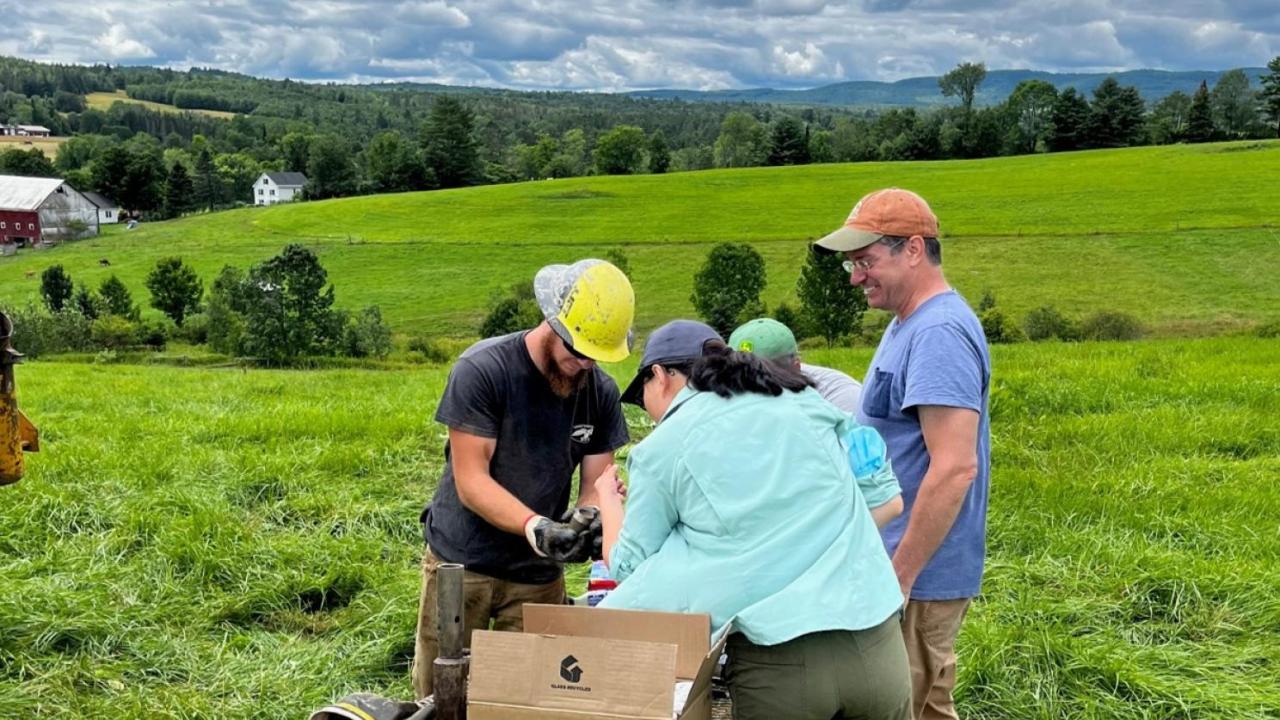
Today, researchers at Yale are spreading finely ground basalt as a soil amendment to croplands through various field studies to understand it's impact on the crops, the soil, and the downstream water systems.
What makes enhanced rock weathering (ERW) an attractive carbon capture option?
ERW has multiple co-benefits, including raising soil pH (thereby reducing soil acidification), increasing crop yields, and reducing reliance on chemical fertilizers. Even more promising is the potential of new revenue streams for agricultural landowners, including cropland owners, from selling credits for the tons of CO2 captured through the carbon marketplace.
Application of basalt to agricultural lands for ERW is readily scalable with existing mining operations and farming practices in place. Estimates show the U.S. Midwest alone has the potential to sequester 1.5-2 million tons of CO2 annually, approximately the equivalent of emissions from the aviation sector.
How will communities benefit from improved soils and natural carbon capture?
A critical component of the research into ERW is understanding both the economic and environmental impacts on local communities. Soil health is a critical priority for farmers, and sound, proven research is required to effectively engage the farming community in adopting these new techniques for carbon capture.
Communities could also benefit from increased farming-related revenue through the sale of carbon credits. To accomplish this, Yale and global stakeholders in the voluntary carbon market are committed to gathering the necessary data in field studies before looking to scale, critical to the integrity of the carbon credits.
How does the YCNCC's work to improve soils and advance ERW support our 2040 carbon neutral operations goal?
As part of our goal to achieve carbon neutral operations by 2040, FedEx helped establish the Yale Center for Natural Carbon Capture in 2021. Our
This commitment is consistent with our principles to: 1) Decarbonize what's possible, 2) Co-create with purpose, and 3) Neutralize what's left. These principles cover the comprehensive actions needed to not only achieve carbon neutrality in our own operations, but also to support the transition of the transportation and logistics industry.
For a deeper dive into the YCNCC, visit their 2024 Annual Report: YALE 2024 YNCC Annual Report Public.pdf
Click here to learn about FedEx Cares, our global community engagement program.
View additional multimedia and more ESG storytelling from FedEx Corporation on 3blmedia.com.
Contact Info:
Spokesperson: FedEx Corporation
Website: https://www.3blmedia.com/profiles/fedex-corporation
Email: info@3blmedia.com
SOURCE: FedEx Corporation
View the original press release on accesswire.com
FAQ
AI-generated questions and answers. How Rhea-AI works. Not financial advice.