
Consumer-Centric and Tech-Driven: The CPG Trends of 2026
Kellanova (K) outlines five CPG trends for 2026 emphasizing consumer-centric growth powered by data, AI, and creator-led culture.
Sentiment and the balance of points
Rhea-AI Sentiment reads the wording of the document, how positive or negative its language is on a 1 to 5 scale. The balance of points shown with the takes weighs what the document actually discloses, so the two can disagree, for example when a trial that missed its main goal is described in upbeat language.
Rhea-AI Summary
Kellanova (K) outlines five CPG trends for 2026 emphasizing consumer-centric growth powered by data, AI, and creator-led culture. Key recommendations include content-forward experiences, granular measurement, AI-enabled commerce, creator partnerships, and cross-functional speed.
Documented results: an AI creative test with 83% accuracy in 3-second VTR forecasts drove 2.16x campaign performance and an 11% Profit ROI lift; a UK pilot delivered 9% sales lift among price-sensitive shoppers and a threefold brand consideration increase; U.S. coordination produced a $1 ROI improvement and a 91% effectiveness gain for salty snack promotions.
Positive
- AI creative scoring: 83% accuracy for 3-second VTR
- Campaign performance improved by 2.16x from scored assets
- Profit ROI increased by 11% for scored creative
- UK pilot: 9% sales lift among price-sensitive shoppers
- Threefold boost in brand consideration in UK pilot
- U.S. coordination: $1 improvement in ROI; 91% snack effectiveness gain
Negative
- Agentic AI can surface alternatives, risking brand loyalty
- Reliance on creator partnerships requires sustained authenticity investments
Details
News Market Reaction – K
On Nov 13, the day this news came out, K closed 0.04% below the previous close.
Data tracked by StockTitan Argus for the Nov 13 session.
AI-generated analysis. How Rhea-AI works. Not financial advice.




By Charisse Hughes, Chief Growth Officer, Kellanova
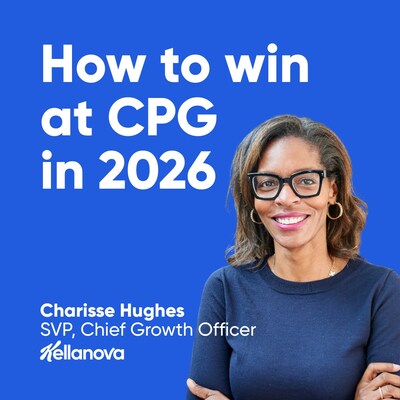
At Kellanova, one principle guides our work: growth begins and ends with the consumer. As habits and expectations evolve, so must we—becoming faster, more connected, and more intuitive. Data, digital innovation, and human creativity together are redefining what it means to be a consumer brand.
Here are five trends shaping winning CPG strategies in 2026—and how brands can respond:
1) Attention Has Moved—Is Your Brand There?
Consumers are spending more time alone and online, using digital channels not just to browse but also to research and discover—actions increasingly central to purchase decisions. This shift changes where brands need to appear and how they capture consideration.
What to do: Focus on lightweight, content-forward experiences: short-form video, shoppable content, and micro-personalized landing pages. Connect online touchpoints seamlessly to in-store or e-commerce conversion and measure engagement to link attention to outcomes.
Case in point:
Kellanova partnered with Vidmob and the MMA to evaluate creative effectiveness using AI. Predictive impact scoring forecasted 3-second view-through rates (VTR) with
2) The Nuance of Value: Winning Through Maniacal Measurement
Consumers want confidence that every dollar works harder. Value is defined by outcomes, not price. Brands that measure relentlessly and optimize in real time win.
What to do: Move beyond broad assumptions about "premium" and "value" shoppers. Adopt a maniacal approach to measurement—using granular segmentation, experimentation, and unified data to understand what truly drives behavior. This means quantifying which messages shift consideration, which promotions actually move volume, and which moments deliver the highest ROI. Precision comes from proving, not guessing.
Case in Point: In the
3) Agentic Commerce Turns Chat into Checkout
The rise of agentic AI is reshaping how consumers discover and purchase products, posing new challenges for traditional CPG brands that rely on loyalty and shelf presence. AI can recommend alternatives, private-label items, or niche brands based on preferences, value, or availability, potentially shifting loyalties.
What to do: Invest in AI-enabled interfaces integrated with e-commerce and loyalty systems. Real-time recommendations, combined with purchase history, behavioral insights, and retail median data, allow brands to deliver personalized shopping experiences at scale. Optimizing for both the consumer and the AI agent ensures products are consistently surfaced in relevant contexts.
Case in point: Walmart's partnership with OpenAI and ChatGPT brings this to life. Customers can shop directly through ChatGPT with an "Instant Checkout" feature—planning meals, restocking essentials, and discovering products through conversation. The shopping interface is no longer just a website or app; it's a conversational channel.
4) Culture, Creators, and Community as Growth Engines
Consumers buy into purpose, values, and belonging—not just products. Creators are central, shaping culture, bridging brands to communities, and translating moments into trusted storytelling.
What to do: Culture is what people pay attention to—what they watch, share, laugh about, and rally around. To tap into that energy, brands must align investments with real behaviors and passion points, not demographic checkboxes. Creators are the connective tissue: they influence how people discover, engage, and participate in cultural moments. Winning brands partner with culturally fluent storytellers to show up where conversations are happening and build always-on creator ecosystems that can flex across platforms and formats.
Case in point: Based on consumer insights, we found that consumers doubt the nutritional goodness of cereal in AMEA, so we partnered with Celeste Barber who is known for her humor, transparency, and "keep it real" approach. Together, we developed social, digital, and native content, including myth-busting creator-led storytelling that highlighted how Kellogg's has been enhancing the health credentials of our cereals. The result: penetration lifts, volume and dollar share gains and improvements in brand health metrics, proving that creator-driven authenticity drives both relevance and performance.
5) Speed Wins: Coordinated Teams Outperform Silos
Agility is a competitive advantage. Brands that move quickly, pivot based on real-time signals, and align marketing, insights, e-commerce, and operations outperform siloed approaches.
What to do: Build integrated workflows for seamless insight sharing. Enable rapid testing, iteration, and coordinated execution across channels. When creativity, data, and operations operate as a unified engine, campaigns don't just reach audiences—they resonate and convert.
Case in point:
In our
Looking ahead, Kellanova is integrating Agentic AI into key moments in the consumer journey. Chatbots and deep research agents will automatically surface insights, summarize complex analyses, and provide data-driven recommendations, enabling teams to make faster, smarter decisions with confidence.
Closing Thoughts
The CPG brands that thrive in 2026 combine human understanding with technological precision. They meet consumers where they are, anticipate their needs, and respond in ways that are meaningful, relevant, and effortless.
At Kellanova, we blend advanced analytics, AI-driven innovation, and purpose-driven storytelling to create experiences that connect our brands with consumers. Growth isn't just about the foods we make—it's about how we connect, serve, and deliver value to consumers. The future of CPG is consumer-centric, tech-driven, and human at its core, and the brands that embrace these trends will capture attention, loyalty, and sustainable growth.

 View original content to download multimedia:https://www.prnewswire.com/news-releases/consumer-centric-and-tech-driven-the-cpg-trends-of-2026-302613963.html
SOURCE Kellanova
FAQ
AI-generated questions and answers. How Rhea-AI works. Not financial advice.