
Priovant Announces FDA Approval of LISRAYA™ (brepocitinib) for Adults with Dermatomyositis; Now Available in the U.S.
Priovant Therapeutics, a Roivant (Nasdaq: ROIV) company, announced U.S. FDA approval of LISRAYA™ (brepocitinib) 30 mg, a once-daily, first-in-class TYK2/JAK1 inhibitor for the treatment of adults with dermatomyositis (DM).
Sentiment and the balance of points
Rhea-AI Sentiment reads the wording of the document, how positive or negative its language is on a 1 to 5 scale. The balance of points shown with the takes weighs what the document actually discloses, so the two can disagree, for example when a trial that missed its main goal is described in upbeat language.
Rhea-AI Summary
Priovant Therapeutics, a Roivant (Nasdaq: ROIV) company, announced U.S. FDA approval of LISRAYA™ (brepocitinib) 30 mg, a once-daily, first-in-class TYK2/JAK1 inhibitor for the treatment of adults with dermatomyositis (DM). LISRAYA is the first and only targeted therapy approved for DM and is available immediately in the U.S. via specialty pharmacies.
Approval is based on the 52-week Phase 3 VALOR trial, the largest DM study conducted, where 55% of LISRAYA patients achieved moderate-or-better improvement on the myositis Total Improvement Score with minimal/no steroid use versus 30% on placebo. Among those on ≥7.5 mg/day steroids at baseline, 62% on LISRAYA tapered to ≤2.5 mg/day (vs 38% placebo), and 45% discontinued steroids entirely (vs 29% placebo). Common adverse reactions included upper respiratory tract infection, headache, fatigue, and urinary tract infection. LISRAYA carries a boxed warning for serious infections, mortality, malignancy, major adverse cardiovascular events (MACE), and thrombosis, and is not recommended in severe hepatic or renal impairment. A patient support program, LISRAYA My Compass Support, may allow eligible patients to pay as little as $0 per month.
Positive
- FDA approval of LISRAYA once-daily 30 mg tablet for adults with dermatomyositis in the U.S.
- First and only targeted oral therapy approved for dermatomyositis, first-in-class TYK2/JAK1 inhibitor
- VALOR Phase 3 efficacy: 55% vs 30% achieved moderate-or-better improvement with minimal/no steroids at 52 weeks
- Substantial steroid-sparing: 62% vs 38% tapered to ≤2.5 mg/day; 45% vs 29% discontinued steroids
- Regulatory momentum: FDA Priority Review and Orphan Drug Designation granted for brepocitinib
- Commercial launch: LISRAYA available immediately in U.S. with My Compass Support and limited distribution specialty pharmacy network
Negative
- Boxed warning for serious infections, mortality, malignancy, MACE, and thrombosis associated with LISRAYA
- Infection risk: increased serious bacterial, fungal, viral, and opportunistic infections requiring close monitoring
- Cardiovascular and malignancy concerns based on class JAK inhibitor data, especially in current or past smokers
- Not recommended in patients with severe hepatic or severe renal impairment
- Common adverse reactions ≥5% include upper respiratory tract infection, headache, fatigue, UTI, nausea, bronchitis, and diarrhea
Details
News Market Reaction – ROIV
On Aug 27, the day this news came out, ROIV closed 2.24% above the previous close.
Data tracked by StockTitan Argus for the Aug 27 session.
Key Figures
- FDA approval
- Aug. 27, 2026
- LISRAYA for adults with dermatomyositis
- Approved dose
- 30 mg
- LISRAYA once-daily treatment
- Moderate improvement and minimal steroid use
- 55% vs. 30%
- 52-week VALOR trial; LISRAYA vs. placebo
- Tapered to minimal or no steroid use
- 62% vs. 38%
- 52-week study among patients taking ≥7.5 mg/day corticosteroids at baseline
- Discontinued corticosteroids
- 45% vs. 29%
- 52-week study among patients taking ≥7.5 mg/day corticosteroids at baseline
- Study duration
- 52 weeks
- Phase 3 VALOR trial
- Overall disease improvement
- More than four times
- LISRAYA patients compared with placebo patients
- Patient support cost
- $0 per month
- Eligible patients through LISRAYA My Compass Support
Historical Context
-
JAMA published Phase 3 VALOR skin-specific outcomes for brepocitinib in dermatomyositis.
-
BEACON+ enrolled its first patients in a Phase 3 cutaneous sarcoidosis study.
-
Roivant reported quarterly results and provided brepocitinib commercial preparation updates.
-
Immunovant reported quarterly results and maintained IMVT-1402 development timelines.
-
Roivant scheduled its quarterly results call and business update for August 6.
24h Move is the share-price change in the day after each event; other market factors may also have contributed.
Key Terms
dermatomyositis medical
tyk2/jak1 inhibitor medical
boxed warning regulatory
orphan drug designation regulatory
major adverse cardiovascular events (mace) medical
AI-generated analysis. How Rhea-AI works. Not financial advice.




- LISRAYA represents the first major therapeutic innovation in decades for adults with dermatomyositis (DM), a debilitating systemic autoimmune disease
- LISRAYA is a once-daily pill that directly targets key immune pathways implicated in dermatomyositis pathogenesis
- LISRAYA demonstrated robust efficacy on multiple measures of DM disease activity, accompanied by substantial steroid-sparing benefits, in the largest dermatomyositis clinical trial ever conducted
- LISRAYA is available immediately in the U.S.
- Eligible patients may pay as little as
$0 per month through the LISRAYA My Compass Support program.
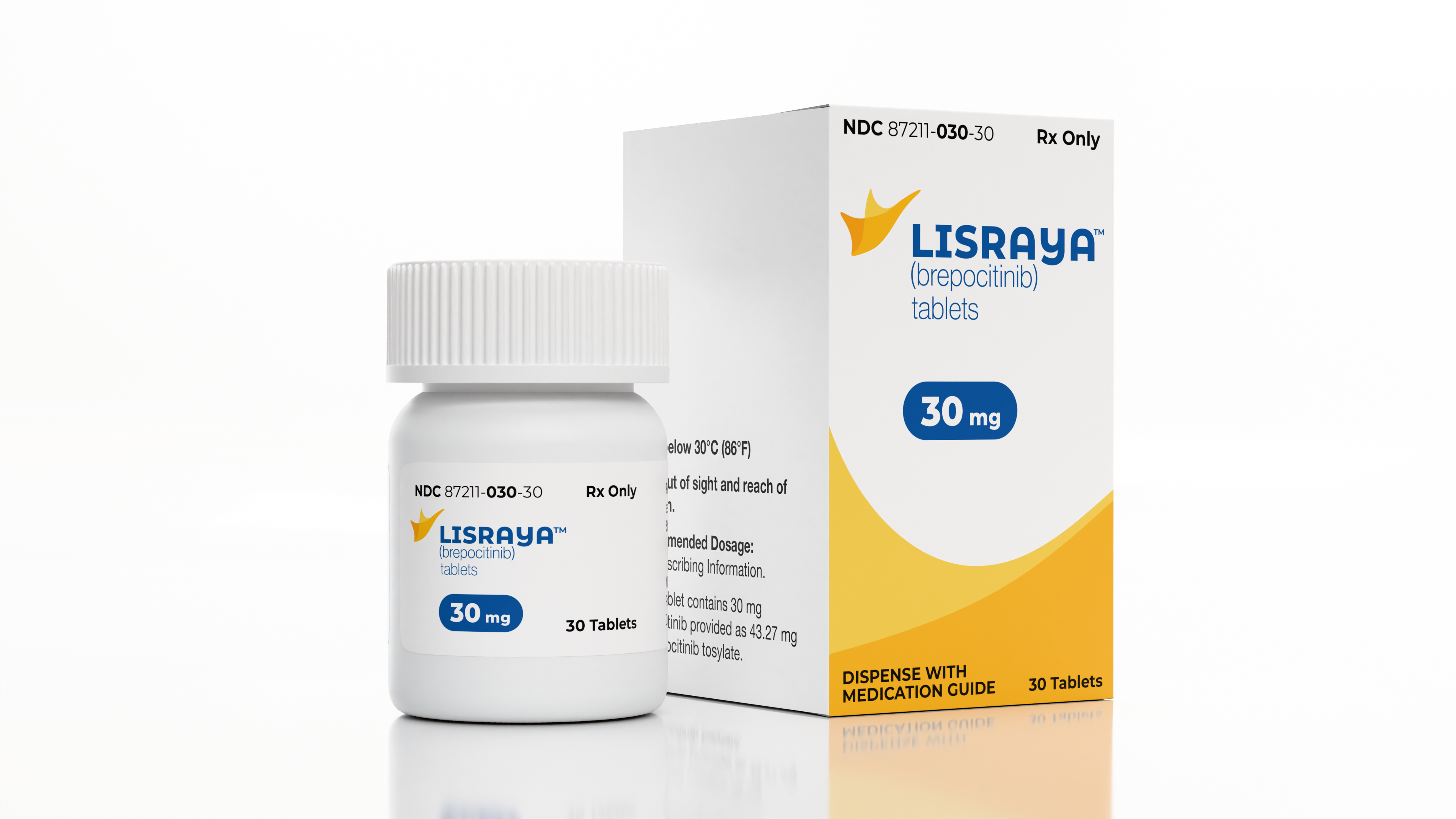
DURHAM, N.C., Aug. 27, 2026 (GLOBE NEWSWIRE) -- Priovant Therapeutics today announced that the U.S. Food and Drug Administration (FDA) has approved LISRAYA™ (brepocitinib) 30 mg for the treatment of adults with dermatomyositis (DM). LISRAYA is a pill taken once daily.
DM is a rare systemic autoimmune disease characterized by progressive muscle weakness and extensive, painful, and pruritic skin lesions. DM significantly impairs patients’ quality of life through physical disability, pain from both muscle and skin disease, cutaneous disfigurement, skin sensitivity to light and touch, and high levels of dependency on chronic high-dose steroids.
LISRAYA, a first-in-class TYK2/JAK1 inhibitor, is the first and only targeted therapy approved for dermatomyositis. LISRAYA is proven to provide a wide array of efficacy benefits for adult DM patients, including improvements in skin disease, muscle strength, physical function, and overall disease burden, alongside substantial steroid-sparing benefit. LISRAYA can be prescribed by healthcare professionals in the United States effective immediately. Prescriptions can be submitted at lisrayahcp.com/enroll. Full prescribing information is available at lisrayahcp.com/pi.
“Dermatomyositis affects nearly every aspect of a patient’s life, causing physical disability, disfiguring skin disease, pain, itch, and a profound loss of independence and sense of self,” said Ruth Ann Vleugels, MD, MPH, MBA, Heidi and Scott C. Schuster Distinguished Chair in Dermatology, Founding Director of the Autoimmune Skin Disease Center and Connective Tissue Disease Clinics at Mass General Brigham, and Professor of Dermatology at Harvard Medical School. “For many decades, the treatment of dermatomyositis has relied on chronic steroids, non-specific immunomodulators, and intravenous immunoglobulin—therapies not targeted to the underlying disease pathobiology. The approval of LISRAYA marks a turning point for patients living with dermatomyositis. For the first time, I am thrilled to be able to offer my patients a targeted, once-daily oral medicine that delivers meaningful benefit across muscle, skin, and overall disease activity while simultaneously reducing reliance on systemic corticosteroids.”
LISRAYA’s approval follows the landmark Phase 3 VALOR trial, the largest DM trial ever conducted.
In the VALOR trial, benefits on the primary endpoint, the myositis Total Improvement Score (a composite measure designed to capture improvement across multiple disease domains), were seen as early as Week 4, increased over time, and were sustained to the end of the 52-week study. Most patients treated with LISRAYA were able to achieve both moderate or better improvement on the Total Improvement Score and minimal or no steroid use by the end of the study (
LISRAYA also demonstrated benefit on independent measures of skin disease and muscle strength, and, critically, on endpoints that directly capture patients’ own experience living with dermatomyositis. When asked to rate the overall activity of their disease, patients receiving LISRAYA reported more than four times as much improvement as patients on placebo. On a measure of everyday function – including pain and core activities of daily living such as getting dressed, climbing stairs, and running errands – patients treated with LISRAYA achieved clinically meaningful improvement, while those receiving placebo worsened, highlighting LISRAYA’s ability to restore greater independence and personal agency to DM patients’ lives.
The most common adverse reactions for patients on LISRAYA in the VALOR trial were upper respiratory tract infection, headache, fatigue, urinary tract infection, nausea, bronchitis, arthralgia, diarrhea, back pain, fall, influenza, and acne. See important LISRAYA safety information below and full safety information, including boxed warning, at lisrayahcp.com/pi.
Primary results from the VALOR trial were published in the New England Journal of Medicine in March 2026, with additional skin-specific secondary endpoints published in JAMA Dermatology in August 2026.
LISRAYA is indicated for the treatment of dermatomyositis in adults. It can be used for adult DM patients with no restrictions based on their level of disease activity, clinical presentation, or prior treatment experience. LISRAYA can be used as an alternative therapy or add-on therapy to non-targeted DM treatments used today, depending on specific patient needs. Notably, the Phase 3 VALOR study evaluated the efficacy and safety of LISRAYA across patients on a wide array of different combinations of background therapies, including no background therapy.
Priovant is committed to helping patients access LISRAYA as quickly as possible. LISRAYA is available through a limited distribution network of specialty pharmacies. Patients can enroll in LISRAYA My Compass Support, which offers personalized assistance from a dedicated Patient Access Liaison, including help with insurance coverage, financial assistance programs, and ongoing support throughout the treatment journey. Through My Compass Support, eligible patients may pay as little as
“Today’s approval of LISRAYA marks a historic moment for the dermatomyositis community and reflects years of extraordinary work and sacrifice by the team at Priovant, our partners, and, above all, the investigators and patients who participated in the brepocitinib development program,” said Ben Zimmer, Chief Executive Officer of Priovant. “I am thrilled that adults with dermatomyositis finally have a fundamentally new treatment option – one specifically designed to target the biology of their disease and shown to meaningfully improve how patients feel and function in their daily lives.”
FDA approval of LISRAYA follows the agency’s prior granting of Priority Review and Orphan Drug Designation. Priority Review is reserved for medicines that, if approved, would provide significant improvements in safety or efficacy for treatment of a serious condition.
LISRAYA IMPORTANT SAFETY INFORMATION and INDICATION AND USAGE
WARNING: SERIOUS INFECTIONS, MORTALITY, MALIGNANCY, MAJOR ADVERSE
CARDIOVASCULAR EVENTS (MACE), and THROMBOSIS
INDICATIONS AND USAGE
LISRAYA (brepocitinib) is indicated for the treatment of adults with dermatomyositis (DM).
Limitations of Use
Not recommended for use in combination with other JAK inhibitors, other TYK2 inhibitors, or biologic DMARDs.
WARNINGS and PRECAUTIONS:
Serious infections. Patients treated with LISRAYA are at increased risk of developing serious bacterial, fungal, viral, and opportunistic infections that may lead to hospitalization or death.
Reported infections with use of Janus kinase (JAK) inhibitors, including LISRAYA:
- Active tuberculosis (TB), which may present with pulmonary or extrapulmonary disease. Evaluate and test patients for latent and active TB infection prior to and during LISRAYA treatment. If positive, treat for TB. Monitor all patients for active TB during treatment including patients who tested negative for a latent TB infection prior to LISRAYA treatment.
- Invasive fungal infections. Patients with invasive fungal infections may present with disseminated, rather than localized, disease.
- Bacterial, viral (including herpes zoster), and other infections due to opportunistic pathogens.
Avoid use of LISRAYA in patients with an active, serious infection, including localized infections. Consider the risks and benefits of LISRAYA in patients with chronic or recurrent infection prior to initiating treatment. Closely monitor patients for signs and symptoms of infection during and after treatment with LISRAYA. If a serious infection occurs, interrupt LISRAYA treatment until the infection resolves or is adequately treated.
Mortality. A higher rate of all-cause mortality, including sudden cardiovascular death, was observed with another Janus kinase (JAK) inhibitor when compared to tumor necrosis factor (TNF) blockers in patients with rheumatoid arthritis (RA) 50 years of age and older with at least one cardiovascular risk factor. LISRAYA is not approved for use in patients with RA.
Malignancy. Malignancies have occurred in patients treated with LISRAYA. A higher rate of malignancies (excluding non-melanoma skin cancer), lymphomas, and lung cancers was observed with another JAK inhibitor when compared to TNF blockers in patients with RA. LISRAYA is not approved for use in patients with RA. Patients who are current or past smokers are at additional increased risk.
Major Adverse Cardiovascular Events (MACE). Major adverse cardiovascular events (MACE) (defined as cardiovascular death, myocardial infarction, and stroke) have occurred in patients treated with LISRAYA. A higher rate of MACE was observed with another JAK inhibitor when compared to TNF blockers in patients with RA 50 years of age and older with at least one cardiovascular risk factor. LISRAYA is not approved for use in patients with RA. Patients who are current or past smokers are at additional increased risk. Discontinue LISRAYA in patients who have experienced a myocardial infarction or stroke.
Thrombosis. Thromboses, including deep venous thrombosis, pulmonary embolism, and arterial thrombosis, have occurred in patients treated for inflammatory conditions with JAK inhibitors, including LISRAYA. Many of these adverse reactions were serious and some resulted in death. A higher rate of thromboses was observed with another JAK inhibitor when compared to TNF blockers in patients with RA 50 years of age and older with at least one cardiovascular risk factor. LISRAYA is not approved for use in patients with RA. Avoid LISRAYA in patients who may be at risk of thrombosis. If symptoms of thrombosis occur, discontinue LISRAYA, promptly evaluate, and appropriately treat.
Hypersensitivity. LISRAYA is contraindicated in patients with known hypersensitivity to brepocitinib or any of its excipients. Hypersensitivity reactions were reported in patients receiving LISRAYA. Some events were serious.
Gastrointestinal Perforations. Gastrointestinal perforation has been reported in patients treated with JAK inhibitors, including LISRAYA. Monitor LISRAYA-treated patients who may be at risk for gastrointestinal perforation.
Hypoglycemia in Patients with Diabetes. LISRAYA may cause hypoglycemia in patients with diabetes. Hypoglycemia, including severe hypoglycemia, has been reported following initiation of JAK inhibitors in patients with diabetes. During treatment with LISRAYA, consider increased monitoring of blood glucose as clinically indicated in patients with diabetes.
Laboratory Abnormalities. LISRAYA has been associated with lab abnormalities including neutropenia, lymphopenia, anemia, increases in lipid parameters, and liver enzyme elevations.
Immunizations. Avoid use of live vaccines during or immediately prior to LISRAYA therapy initiation. Prior to initiating LISRAYA treatment, update immunizations, including prophylactic varicella zoster or herpes zoster vaccinations, according to current immunization guidelines.
Embryofetal Toxicity. Based on findings in animal studies, LISRAYA may cause fetal harm when administered to a pregnant woman. Verify the pregnancy status of females of reproductive potential prior to starting treatment. Advise pregnant women and females of reproductive potential of the potential risk to the fetus. Advise females of reproductive potential to use effective contraception during treatment with LISRAYA and for 3 days following the last dose.
ADVERSE REACTIONS
The most common adverse reactions occurring in ≥
SPECIAL POPULATIONS
Pregnancy. Based on findings in animal studies, LISRAYA may cause fetal harm when administered to a pregnant woman. Available data from LISRAYA use in pregnant women are insufficient to establish a drug-associated risk of major birth defects, miscarriage or adverse maternal or fetal outcomes.
Lactation. There are no data on the presence of brepocitinib in human milk, the effects on the breastfed infant, or the effects on milk production.
Hepatic Impairment. LISRAYA is not recommended in patients with severe hepatic impairment.
Renal Impairment. LISRAYA is not recommended in patients with severe renal impairment.
Please see the Full Prescribing Information, including BOXED WARNING, and Medication Guide.
About Priovant
Priovant Therapeutics is a biotechnology company dedicated to developing and commercializing novel therapies for autoimmune diseases with high morbidity and few available treatment options. The company’s commercial product, LISRAYA™ (brepocitinib) is the first and only targeted oral therapy approved for the treatment of adults with dermatomyositis. Brepocitinib, a first-in-class TYK2/JAK1 inhibitor, is also being evaluated in a Phase 3 program in non-infectious uveitis, a Phase 3 program in cutaneous sarcoidosis, and a Phase 2b/3 program in lichen planopilaris. Priovant Therapeutics is a Roivant (Nasdaq: ROIV) company.
Contacts:
- Media, investors, or other general inquiries: Stephanie Lee at stephanie.lee@priovant.com
- Adult dermatomyositis patients: 1-888-736-9788 or mycompasssupport@priovant.com
© 2026 Priovant Therapeutics, Inc. All rights reserved. LISRAYA™ is the trademark of Priovant Therapeutics, Inc.
A photo accompanying this announcement is available at https://www.globenewswire.com/NewsRoom/AttachmentNg/4c9c8a80-2004-4328-82df-68a3d9e233f1

FAQ
AI-generated questions and answers. How Rhea-AI works. Not financial advice.