
Alaska Airlines announces investment in JetZero to propel innovative aircraft technology and design
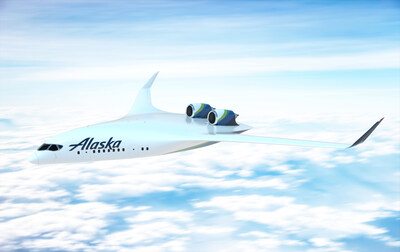
Alaska Airlines has announced an investment in JetZero, a company developing a blended-wing body (BWB) aircraft that promises up to 50% less fuel burn and lower emissions.
Sentiment and the balance of points
Rhea-AI Sentiment reads the wording of the document, how positive or negative its language is on a 1 to 5 scale. The balance of points shown with the takes weighs what the document actually discloses, so the two can disagree, for example when a trial that missed its main goal is described in upbeat language.
Rhea-AI Summary
Alaska Airlines has announced an investment in JetZero, a company developing a blended-wing body (BWB) aircraft that promises up to 50% less fuel burn and lower emissions. This investment, made through Alaska Star Ventures (ASV), aligns with Alaska's goal of achieving net zero carbon emissions by 2040. The BWB aircraft integrates wings and fuselage into a single shape, reducing aerodynamic drag and weight. This innovative design is expected to result in lower carbon emissions, reduced operating costs, and improved passenger comfort. JetZero is collaborating with the US Air Force, NASA, and the FAA to bring this revolutionary aircraft to market, potentially reshaping the future of aviation.
Positive
- Investment in JetZero's blended-wing body aircraft technology
- Potential 50% reduction in fuel burn and lower emissions
- Alignment with Alaska Airlines' goal of net zero carbon emissions by 2040
- Expected lower operating costs due to fuel efficiency
- Improved passenger comfort and quieter flying experience
Negative
- None.
Details
News Market Reaction – ALK
The recorded move for ALK in the trading session of this news was +2.60%.
Data tracked by StockTitan Argus. Session date unavailable.
AI-generated analysis. How Rhea-AI works. Not financial advice.




JetZero's pioneering blended wing body aircraft contributes to aviation's sustainability journey with significant improvements in fuel efficiency
The investment, which includes options for future aircraft orders, was made through Alaska Star Ventures (ASV), the airline's investment arm whose purpose is to influence the future of the aviation industry. ASV is focused on identifying and enabling the technologies that can help
"At Alaska, we are always looking for ways to innovate and shape the future of air travel for our guests, employees, and industry," said Diana Birkett Rakow, senior vice president of public affairs and sustainability at Alaska Airlines. "We are proud to invest in JetZero's development of this innovative next-generation aircraft, with a significant step-change in fuel efficiency. We and JetZero share a vision for more sustainable aviation, and we are excited to partner with them in creating that future."
JetZero's BWB aircraft stands out with its innovative design that integrates the wings and fuselage into a single smooth shape, greatly reducing aerodynamic drag. Due to an expected
"The biggest challenge for airlines is lowering fuel burn and emissions. Of all the great new technologies in work, the BWB design delivers the biggest impact by far. Airlines will see immediate benefit in cost savings, dramatically lower emissions and improved customer experience, compared to airplanes flying today," said Tom O'Leary, CEO and co-founder, JetZero. "We're thrilled to welcome
While the BWB design is not new, JetZero has shown unique leadership in collaborating closely with the United States Air Force, NASA, and the FAA to develop its revolutionary blended wing aircraft and ultimately bringing it to market.
About Alaska Airlines
Alaska Airlines and our regional partners serve more than 120 destinations across
About JetZero
JetZero, co-founded by aerospace legend Mark Page, is developing the world's first commercial blended wing body (BWB) airplane. With up to
 View original content to download multimedia:https://www.prnewswire.com/news-releases/alaska-airlines-announces-investment-in-jetzero-to-propel-innovative-aircraft-technology-and-design-302220737.html
SOURCE
FAQ
AI-generated questions and answers. How Rhea-AI works. Not financial advice.